The wheel self-propelled artillery unit (SPG) "Malva", developed by the Nizhny Novgorod TsNII "Burevestnik", has successfully passed state tests and will soon be sent to the troops.
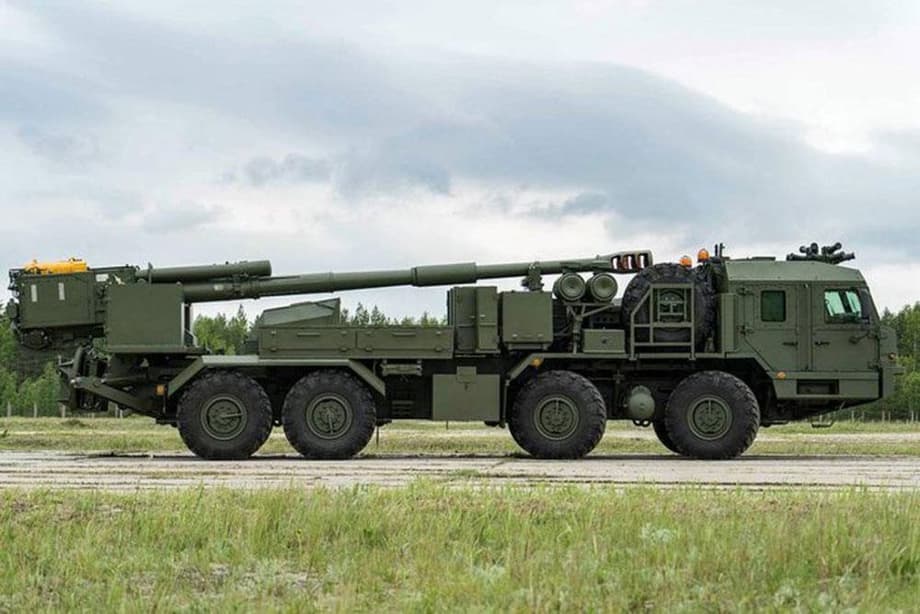
The SPG 2S43 "Malva" is built on a BAZ chassis with a wheelbase of 8 x 8 and equipped with a 152-millimeter howitzer 2A64 borrowed from the tracked SPG "Msta-S". The wheel version is more maneuverable than the "Msta-S", and it is cheaper to operate. Deployment on location, leaving it and aiming at the target take much less time compared to the SPG on tracked travel.
"Malva" is capable of traveling up to 1000 km on public roads without refueling, and thanks to the all-wheel drive and powerful diesel engine it handles off-road well. It is also important that the "Malva" fits into the Il-76 transport aircraft. In addition, the wheel SPG has an automated fire control system and an autonomous power unit, which supplies electricity on position.
"Malva" has the ability to conduct a firing mode called "simultaneous fire raid", in which several shells are fired simultaneously to hit the target. Thanks to the complex of onboard equipment, a crew of 5 people can more effectively load the shells and automate fire control. Furthermore, the gun is equipped with an autonomous power unit that provides it with electricity on position.
Now on home

Герой России Гарнаев: никто из профессионалов о возобновлении производства на КАЗ всерьёз не говорит
Система отслеживает спутники на высотах до 50 000 км и ведёт за ними наблюдение


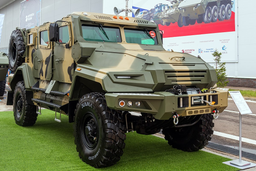
The armored vehicle is equipped with a KamAZ-740.35-400 diesel engine with a power of 400 hp.
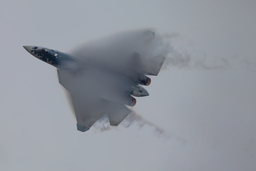
Constant improvements in avionics, weapons and tactical capabilities will make the aircraft a flexible response to future challenges

The exterior of the KamAZ-54901 features fairings on the cab and chassis for fuel economy
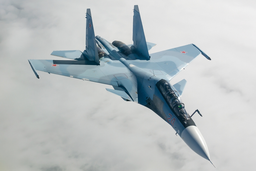
Fighters are in demand both domestically and abroad

Tyazhpromexport and Venezuela Agree on Plant Revival
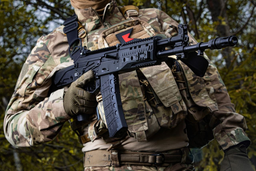
The company not only completed the state order, but also quickly mastered the production of AK-12K for special forces
Experts have developed a photogrammetric complex with a resolution of less than 1 cm