9K515 "Tornado-S" and M142 HIMARS are often compared, but they are not entirely comparable systems. The Russian vehicle was designed as a heavy MLRS with 12 300mm caliber guides.
HIMARS carries one pack of six 227mm GMLRS rockets, but can also use ATACMS and PrSM operational-tactical munitions. Therefore, we will compare the range specifically in MLRS mode – GMLRS class rockets against guided 300mm "Tornado-S" rockets.
Range
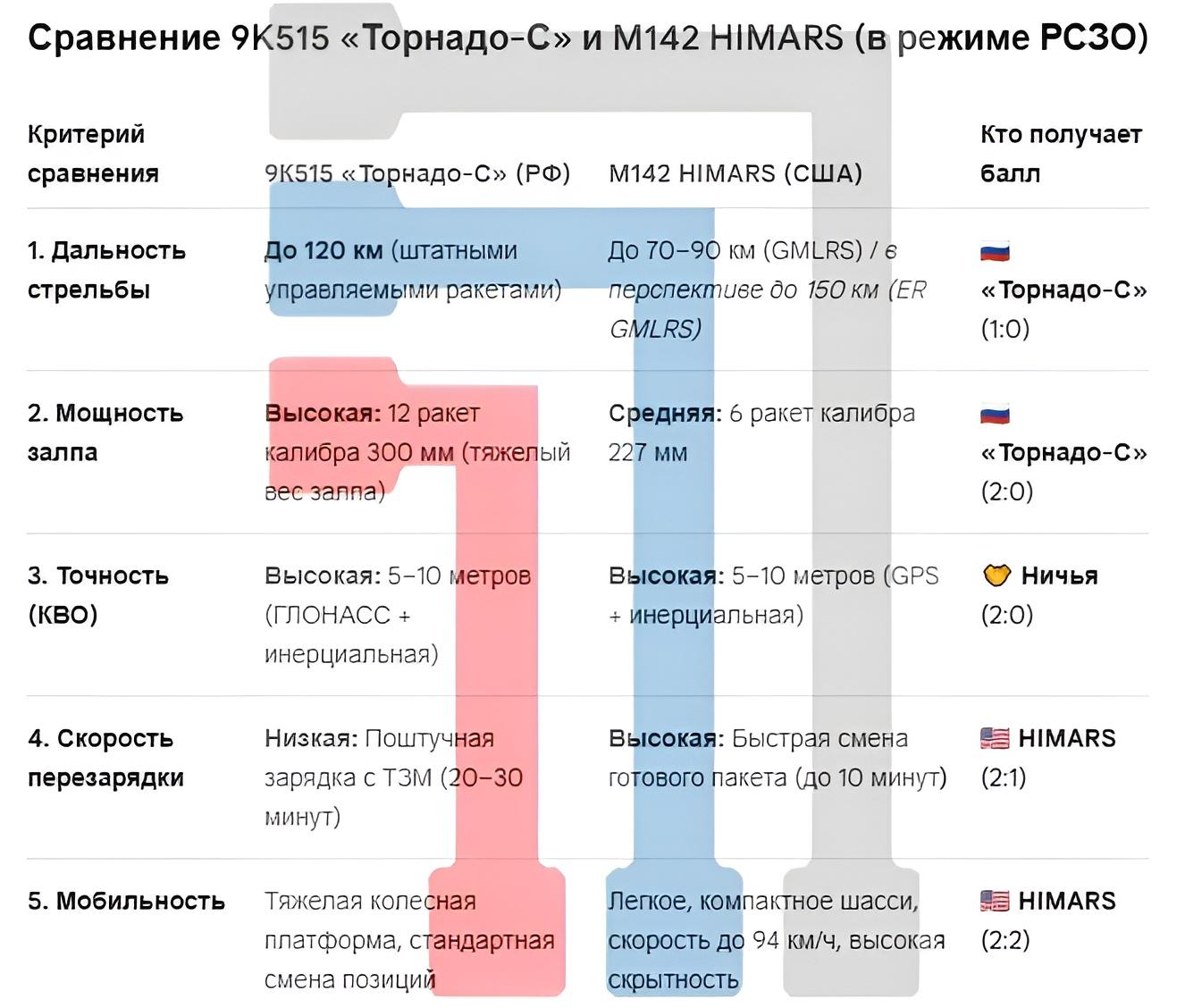
Guided "Tornado-S" rockets hit targets at a range of up to 120 km. For standard GMLRS for HIMARS, the range was long around 70 km, and new variants have increased it: the American army has already tested ER GMLRS at a range of over 100 km, with a declared limit of up to 150 km. But this is already a new generation of ammunition.
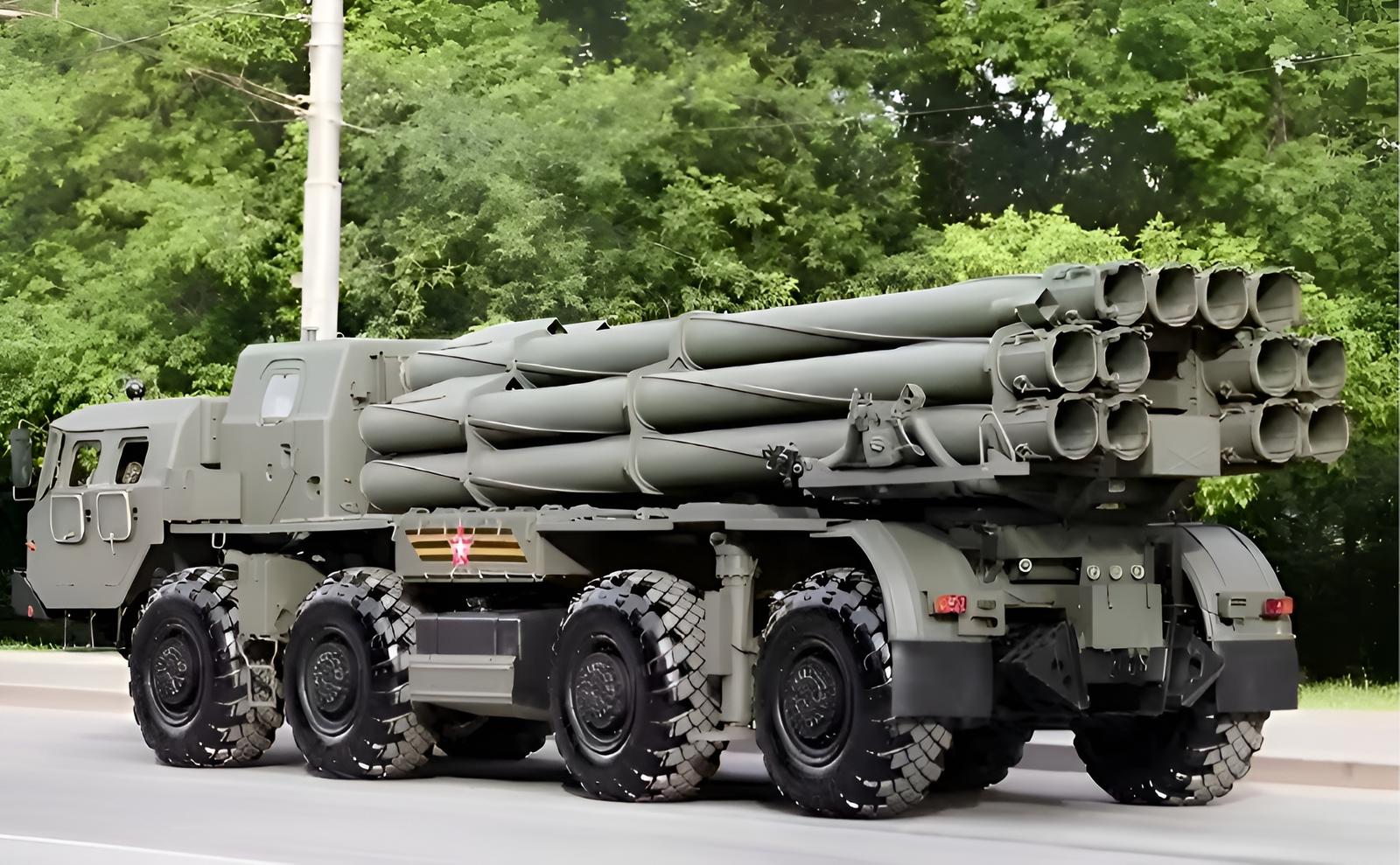
For comparing the standard missile capabilities of the heavy MLRS "Tornado-S" gets a point for range.
Salvo Power
The Russian vehicle simultaneously fires 12 300mm caliber rockets, while HIMARS fires six 227mm GMLRS rockets.
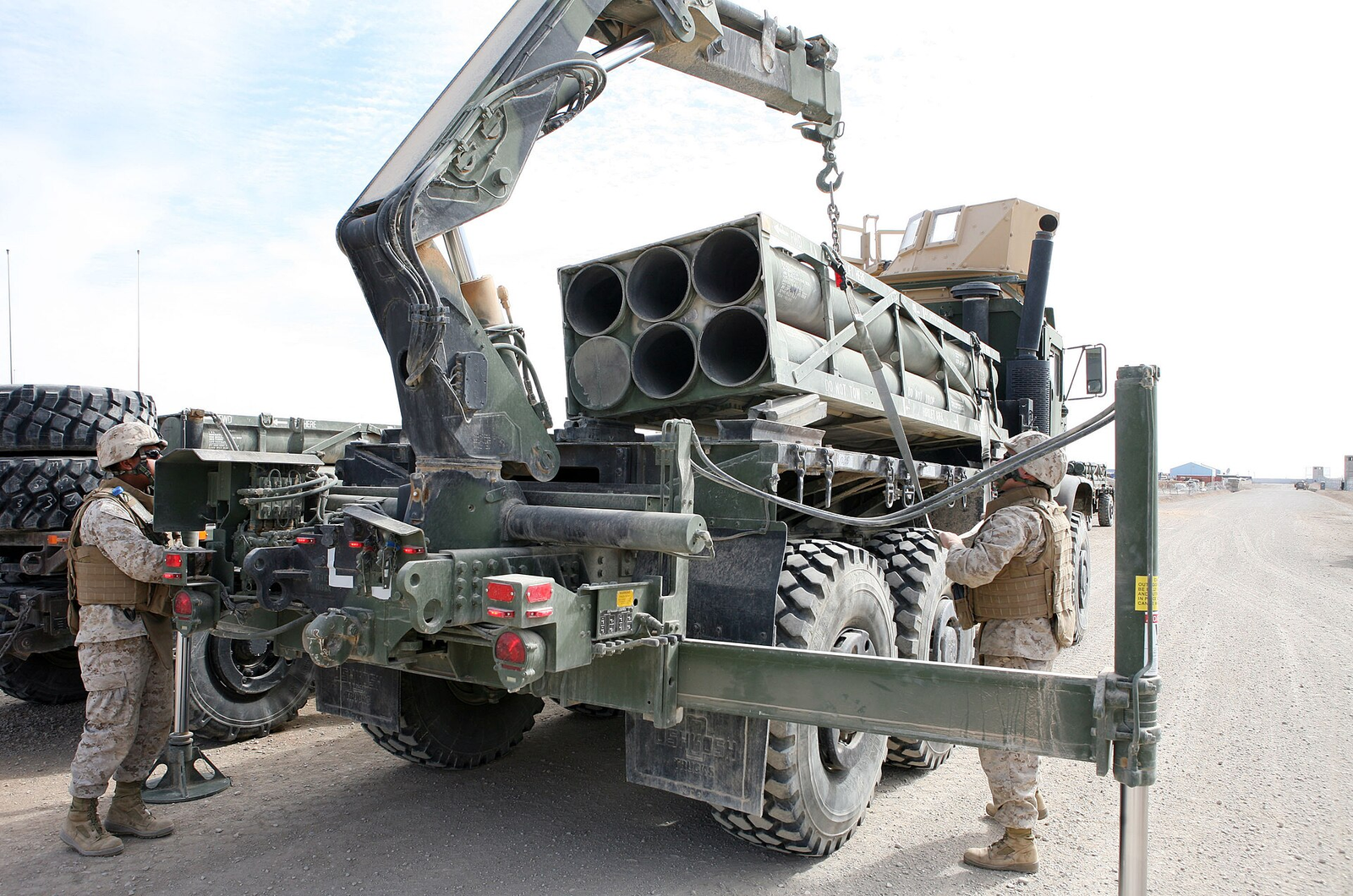
The difference is not only in quantity: 300mm munitions are significantly heavier than 227mm. Therefore, in terms of mass and volume of a single salvo, the advantage remains with "Tornado-S".
Accuracy
Both systems use satellite navigation along with an inertial system for guiding guided missiles. For "Tornado-S", an accuracy of about 5–10 m is declared, and HIMARS uses high-precision GMLRS.
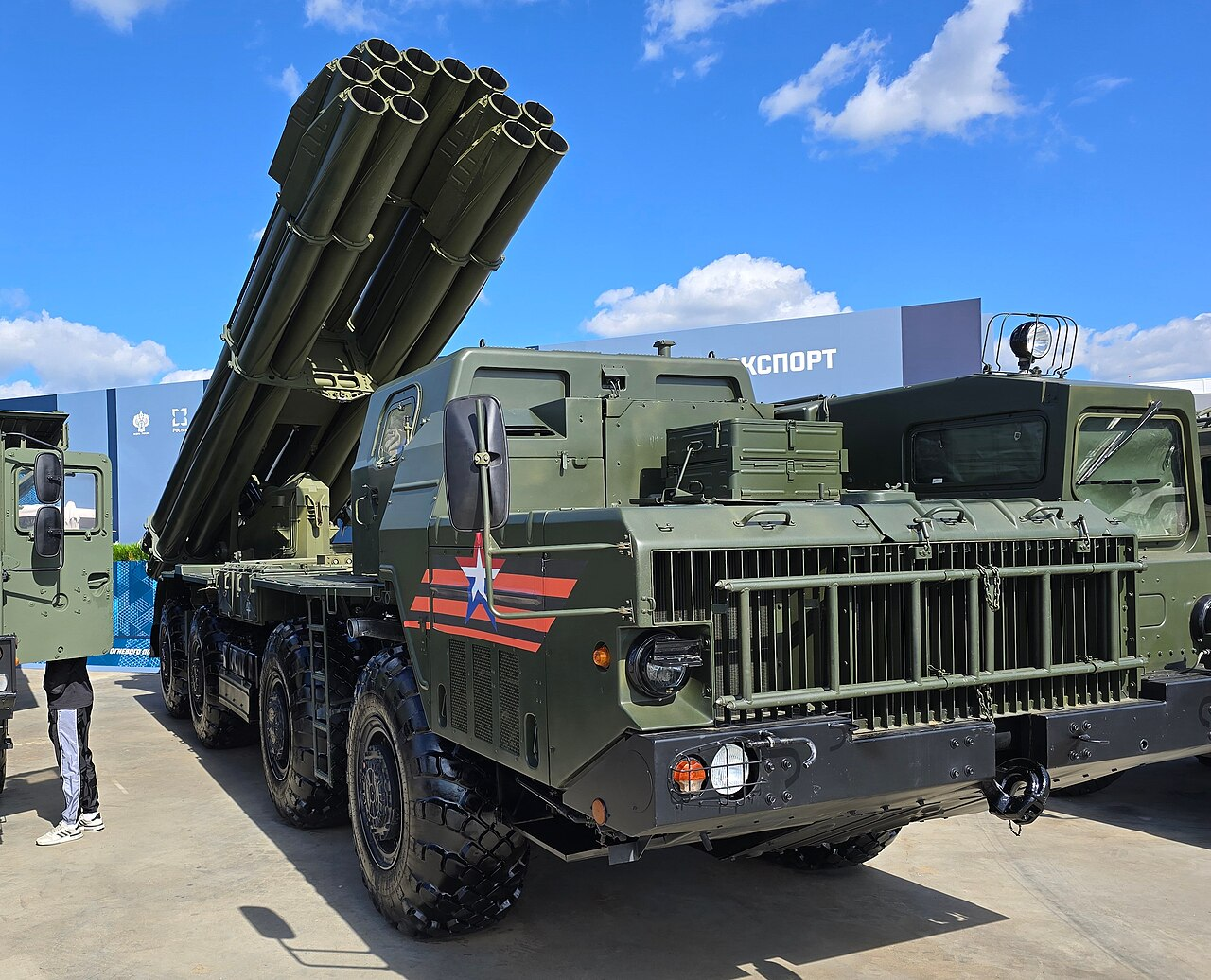
Therefore, without comparable test results under identical conditions, it is incorrect to award this point to either system.
Reload Speed
Here, the HIMARS design offers a significant advantage. Instead of loading individual heavy rockets, a ready-made interchangeable pack is used. The American army indicates that HIMARS can reload and fire again in less than 10 minutes after a salvo.
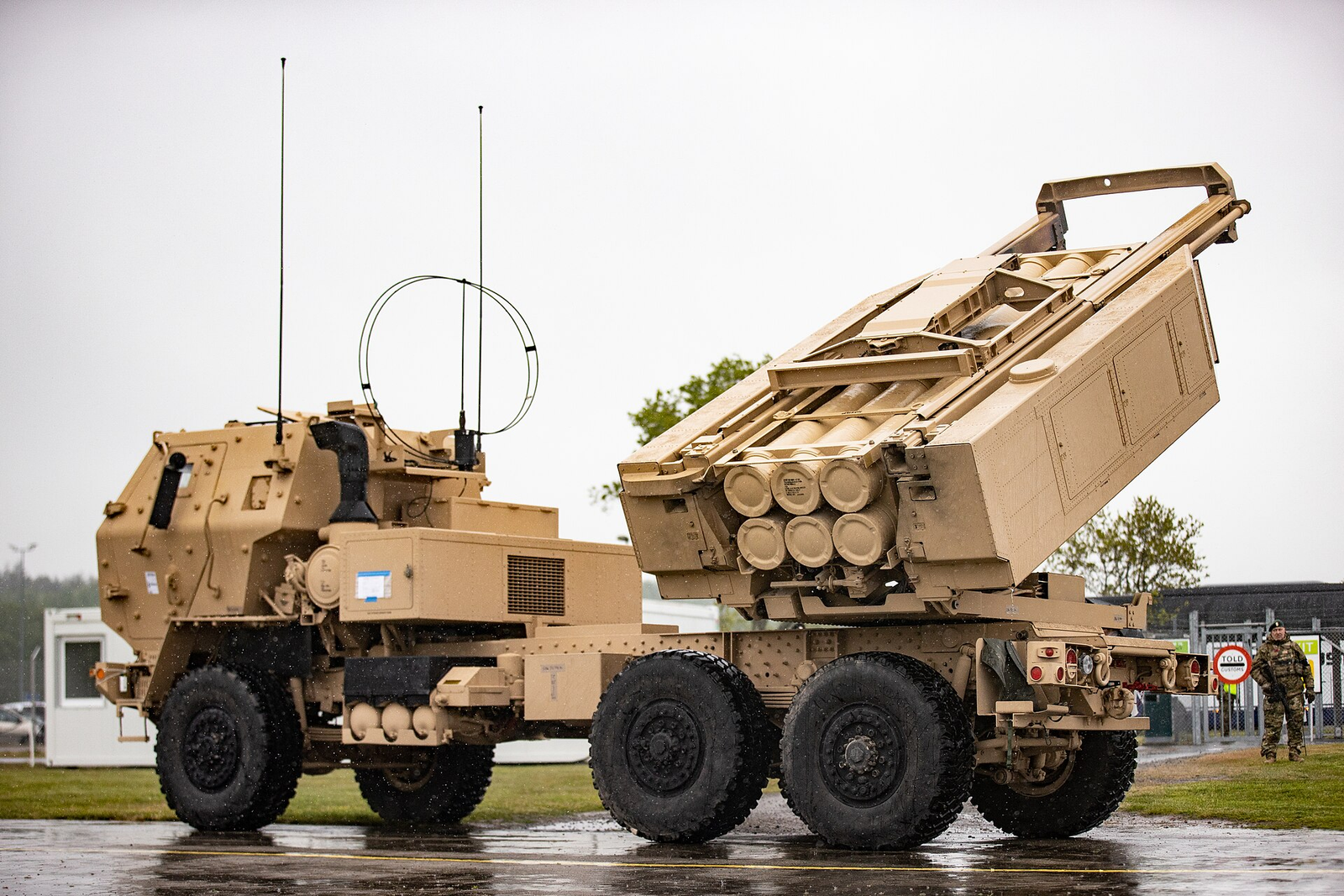
For heavy 300mm systems, reloading traditionally requires significantly more time and the involvement of a transport-loading vehicle. That is why HIMARS gets the point for the rate of repeated strike.
Mobility
HIMARS is lighter and more compact than a heavy 300mm MLRS, develops up to 94 km/h, and was originally designed with high tactical and transport mobility in mind.
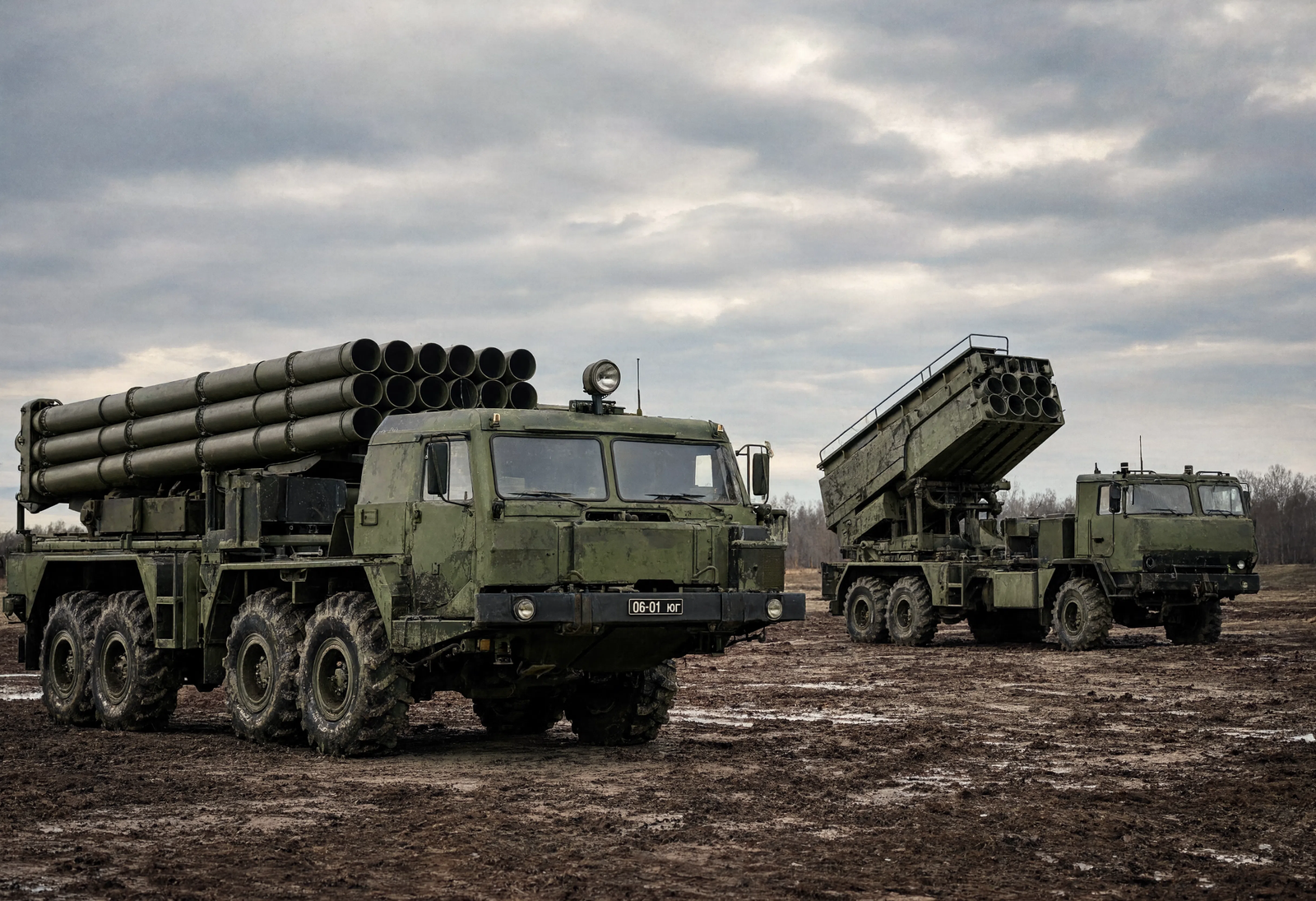
The vehicle can be transported by military transport aircraft, but the main advantage on the ground is the lighter wheeled chassis and the ability to quickly change position.
Final score — 2:2.
When comparing them specifically as MLRS, the Russian system wins in range and salvo mass, while the American system wins in speed of repeated application and mobility.
However, HIMARS cannot be evaluated only as an MLRS: the use of ATACMS, PrSM, and other munitions turns it into a universal missile platform, and that is a different level of comparison – with the Russian "Iskander-M", and not just with "Tornado-S".
Read more on the topic:
Never miss our newsAdd this site to your preferred sources to see us more oftenAdd on Google