Translated with AI from the Russian original.
The 125mm gun of the T-90 has a vertical traverse range of approximately −5° to +15° when firing forward. When the turret is rotated backward, the capabilities change due to the features of the rear part: the gun can depress to about −3° and elevate to +17°.
But why did the Soviet design limit the downward vertical traverse angle? “Pervyy Tekhnicheskiy” delves into the nuances of tank building.
It all comes down to the breech
The gun pivots on trunnions: when the long barrel outside the tank depresses, the breech inside the turret simultaneously elevates. It is the breech that first encounters layout limitations — in particular, the low ceiling of the turret.
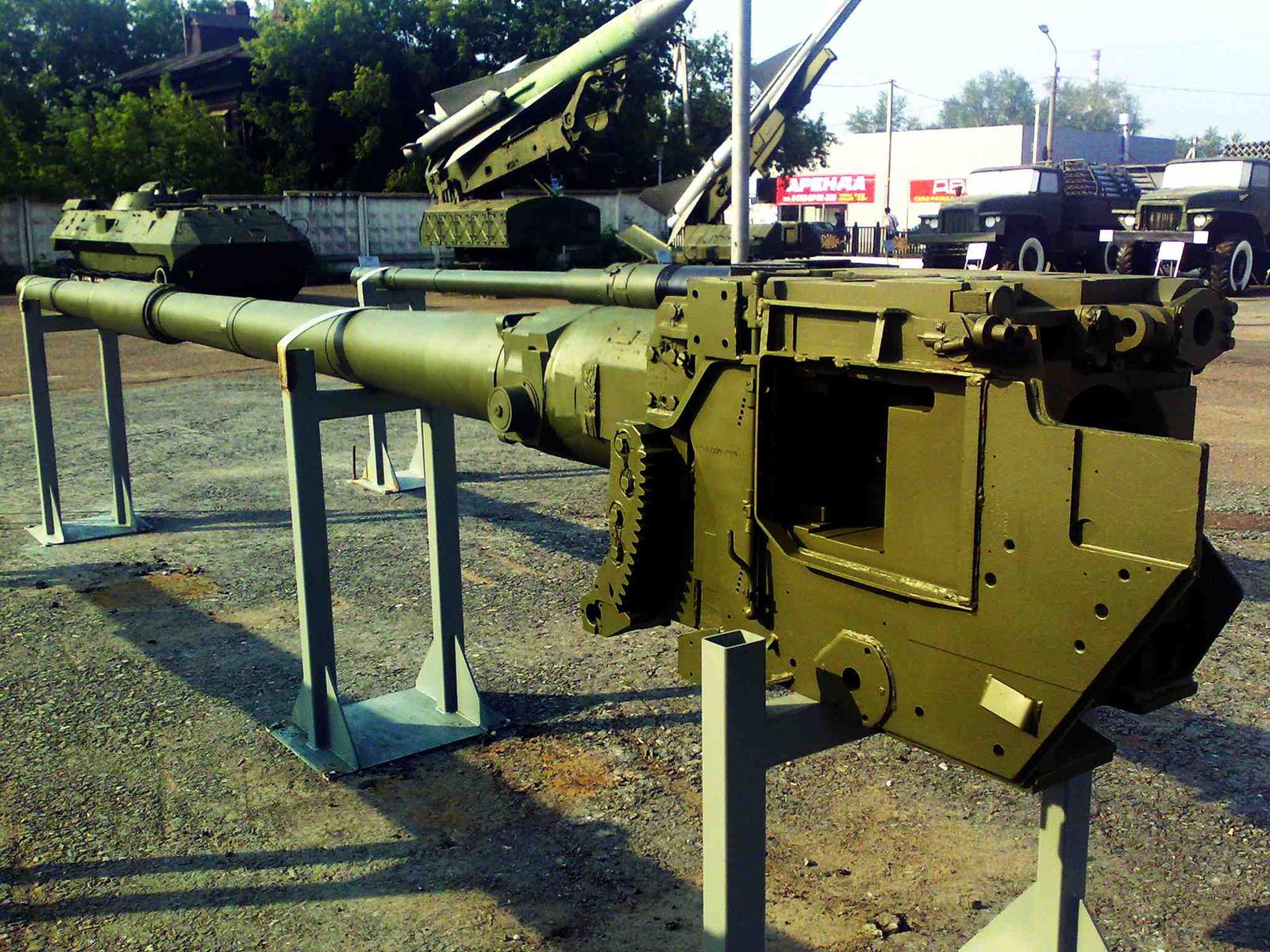
A greater negative angle is possible, but it would require increasing the internal space of the turret, changing the gun's position, and effectively redesigning the entire layout of the fighting compartment.
Low silhouette versus −10° angle
The T-90 received a compact low turret, which reduced the tank's height and its profile. The downside of this solution is a limited vertical traverse range.
For comparison, the M1 Abrams and Leopard 2 have a negative gun angle of approximately −9°...−10°. Therefore, on reverse slopes, they can depress the barrel further while remaining behind cover.
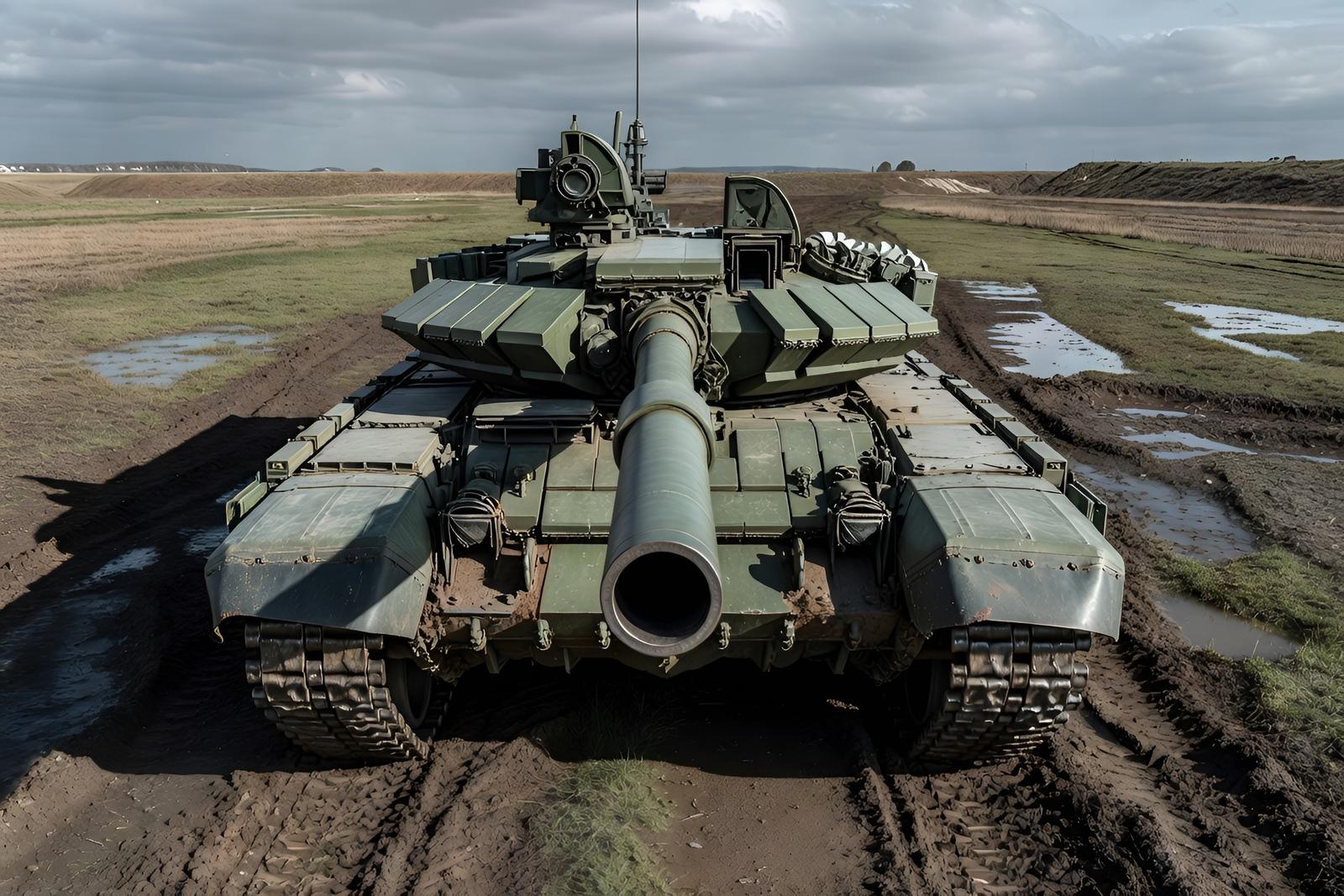
For the T-90, at an angle of about −5°, the possibilities are already exhausted: to aim the gun lower, the tank has to change its hull position more significantly.
Why it's a compromise
A large negative angle is especially useful when firing from elevated positions and reverse slopes. But the Soviet school of tank building focused on minimal height, a compact turret, and a low silhouette.
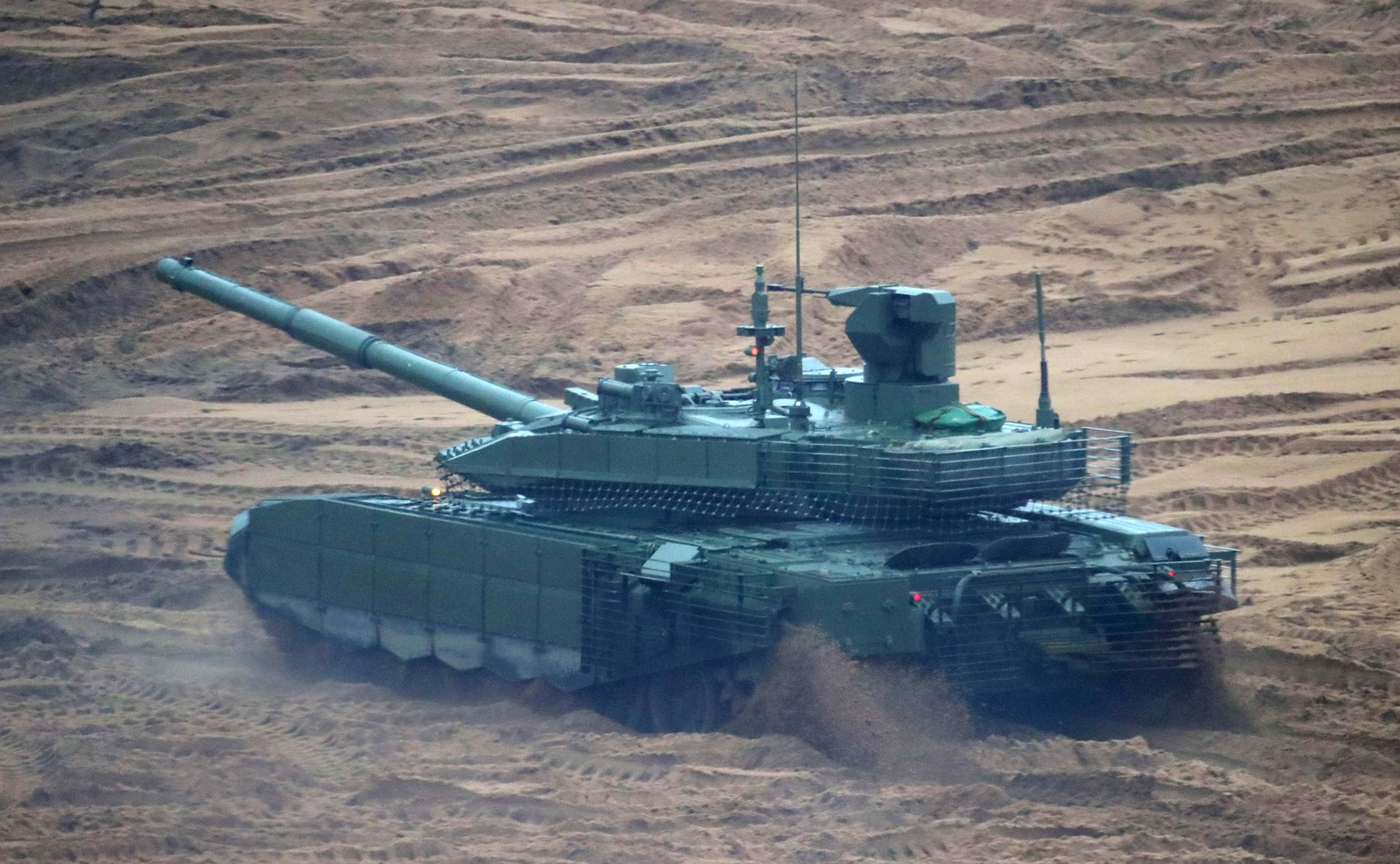
Therefore, the limitation of the T-90's gun is not a flaw of the weapon itself. It is a consequence of the entire tank's layout: the barrel outside can only be depressed as far as the breech has room to elevate inside the low turret.
Read more on the topic:
Never miss our newsAdd this site to your preferred sources to see us more oftenAdd on Google

















