The issue of re-engining SaM146 engines on the first versions of the SSJ-100 has long become a byword. Some praise the new PD-8 engines, while others insist that there are no funds available yet to replace the power units.
"Pervy Tekhnichesky" decided to compare the two engines and understand if the new engine really surpasses the "old school" in terms of characteristics.
Thrust
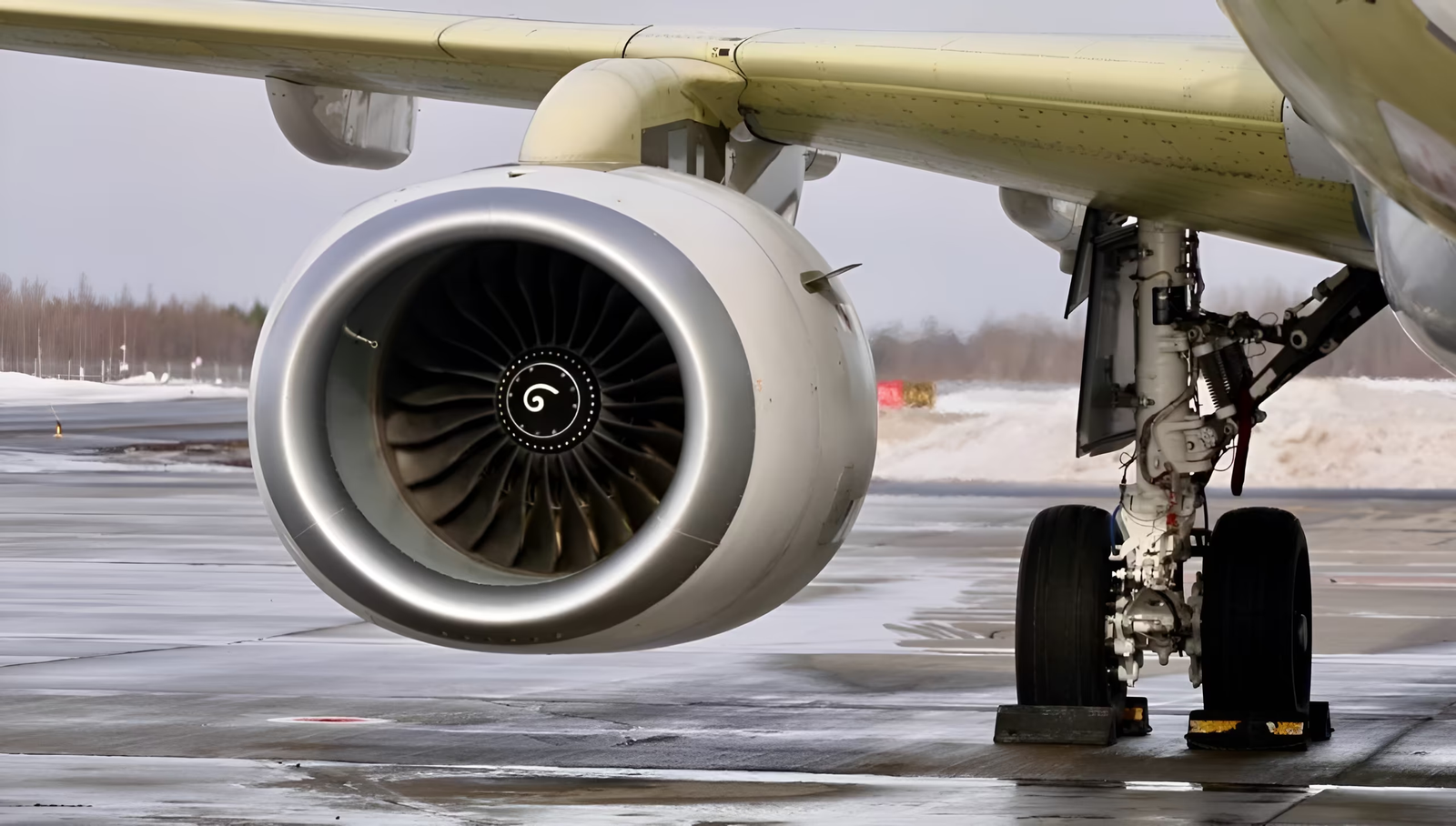
The PD-8 declares a thrust of about 8,056 kgf against 7,900 kgf for the SaM146. But this difference is less than 2%, and in real operation, it does not provide a noticeable advantage either for takeoff or for long-haul flights. In essence, this is the same level of characteristics, so we call it a draw here.
Fuel Efficiency
The SaM146 shows a specific fuel consumption of about 0.63 kg/kgf·h, and this has been confirmed by years of flights. The PD-8 declares approximately 0.61 kg/kgf·h, but these are currently calculated values without full statistics from airlines.
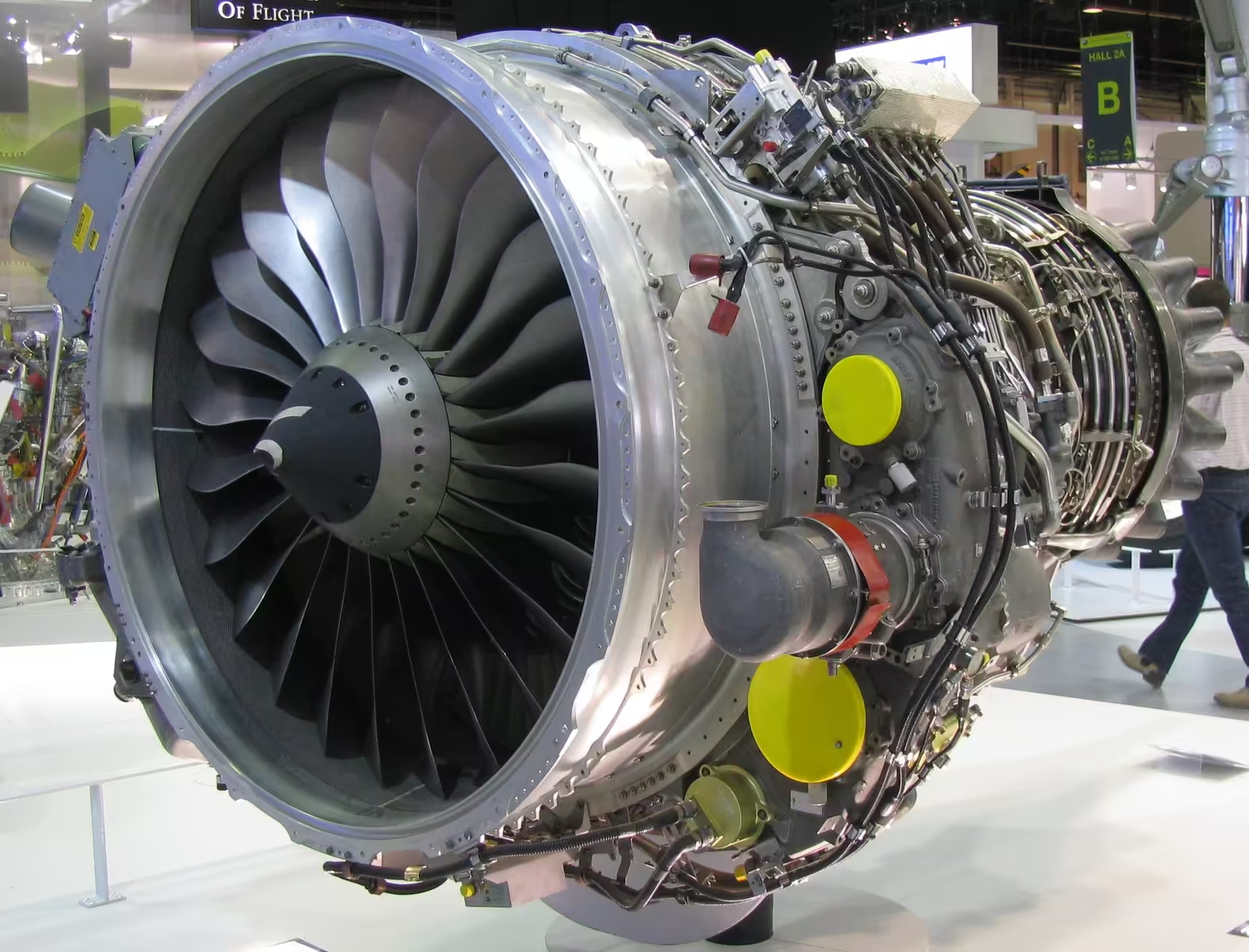
A direct comparison is incorrect if the first engine has already proven its figures, and the second has not yet. We give the victory to the SaM146 for its confirmed characteristics.
Weight
The dry weight of the engines themselves is almost identical: 1690 kg for the PD-8 versus 1708 kg for the SaM146. However, in aviation, the weight of the entire power unit with the nacelle and thrust reverser is important.
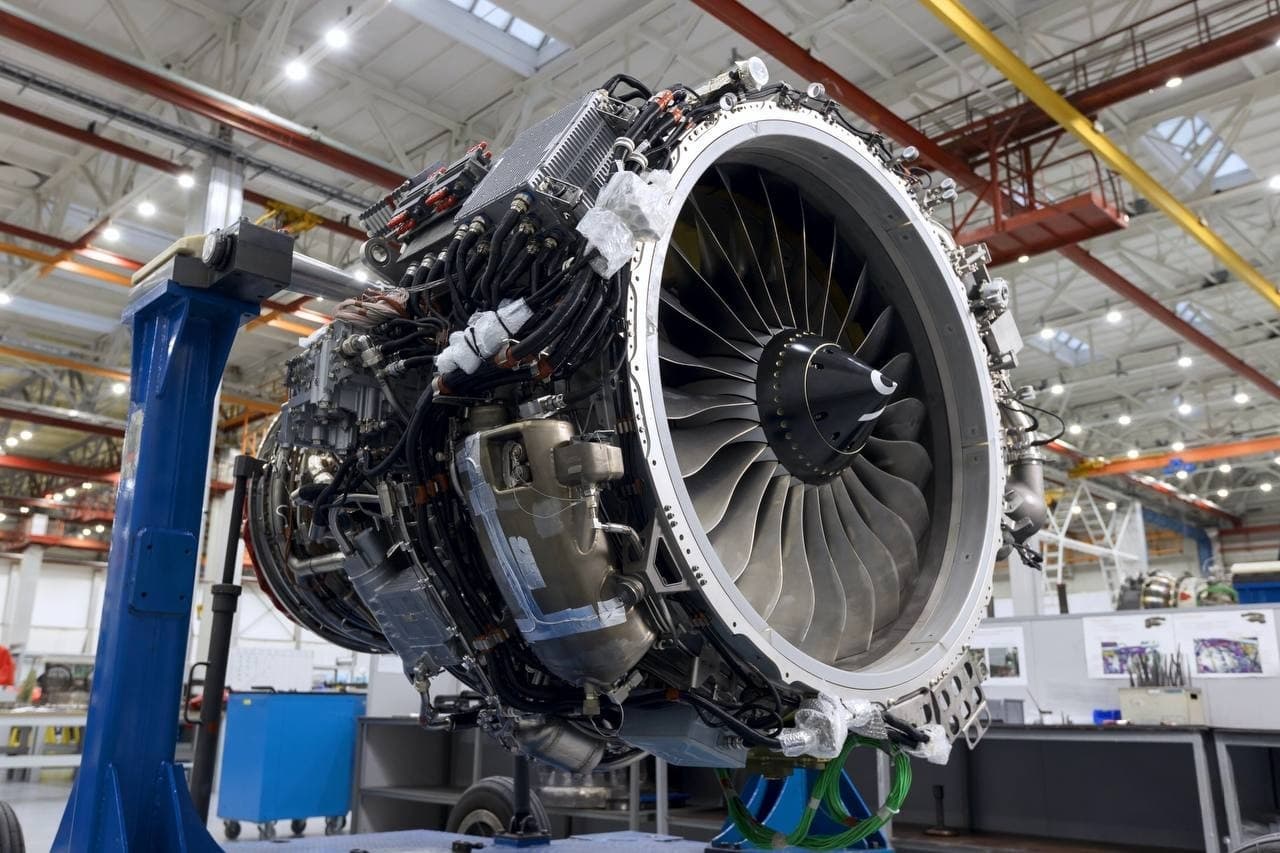
The assembled PD-8 weighs about 2300 kg, which is 100–150 kg heavier than the imported SaM146 unit. On the scale of an aircraft, this is an extra 200–300 kg and additional consumption, so we give the point to the SaM146.
Technological Level
The PD-8 uses more modern solutions for the compressor and materials, including a higher compression ratio: about 28 versus ~22–26 for the SaM146.
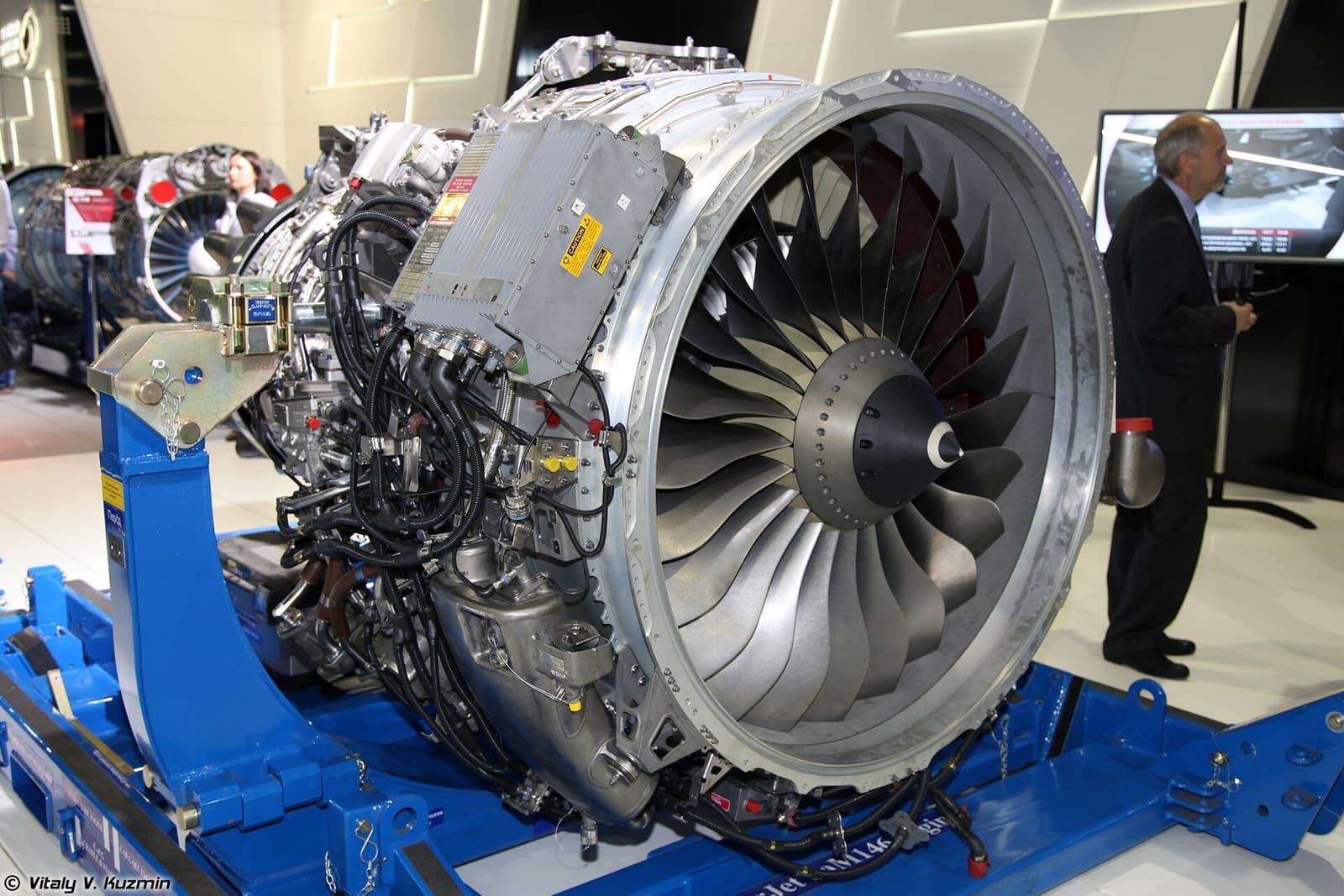
But in terms of architecture, it is still a classic turbofan without radical solutions like a gearbox or ultra-high bypass ratio. This is a step forward, but not a revolution. Nevertheless, we record a victory for the PD-8.
Operation and Reliability
The SaM146 has gone through real aircraft fleets and has shown both advantages and problems, including those related to the hot section and service.
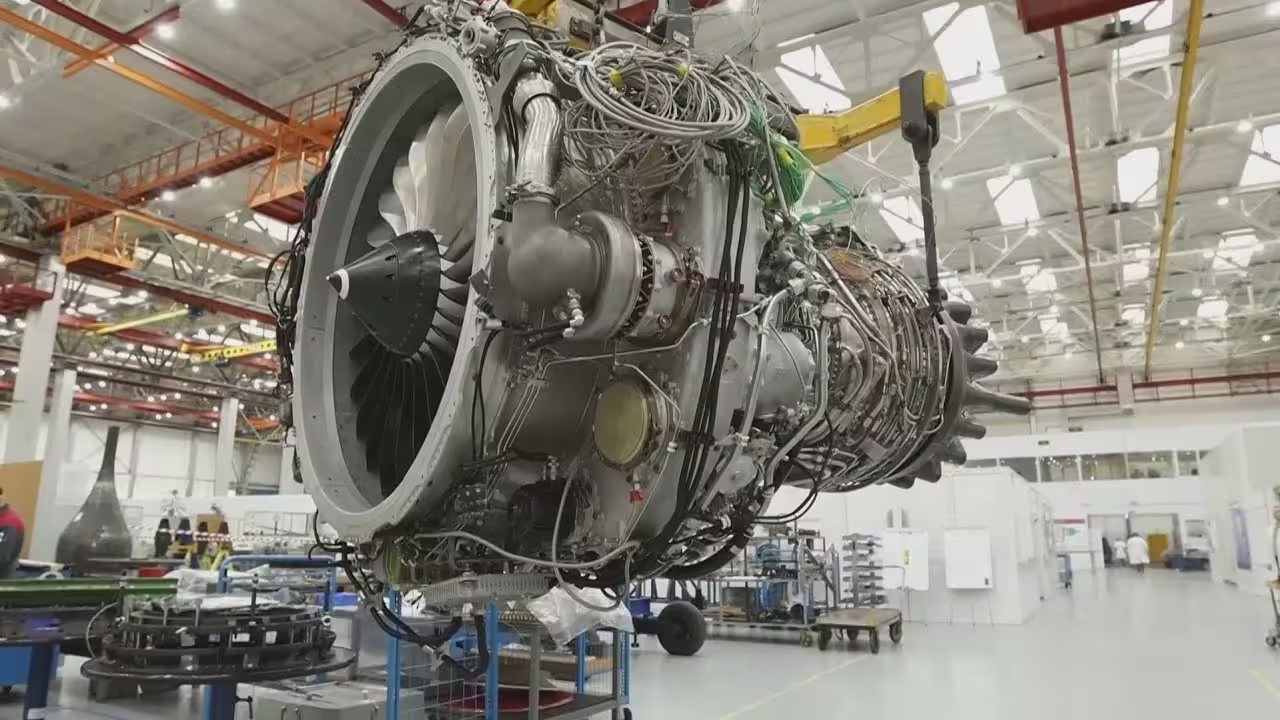
The PD-8 does not yet have such statistics — reliability and maintenance costs still need to be confirmed in series production. In a direct comparison, we acknowledge the victory of the SaM146.
In summary, based on the dry figures, the SaM146 still holds the lead due to its maturity and weight, but the PD-8 wins in the main aspect — technological independence.
Read more on the topic:
Never miss our newsAdd this site to your preferred sources to see us more oftenAdd on Google

















