The ultra-light launch vehicle "Start-1M", created by converting a combat intercontinental missile, is preparing for its first launch in 2027 – this was announced by Russia's First Deputy Prime Minister Denis Manturov, specifying that the work is financed by a private investor through the joint venture "Novy Start", and the Vostochny Cosmodrome has been chosen as the launch site.
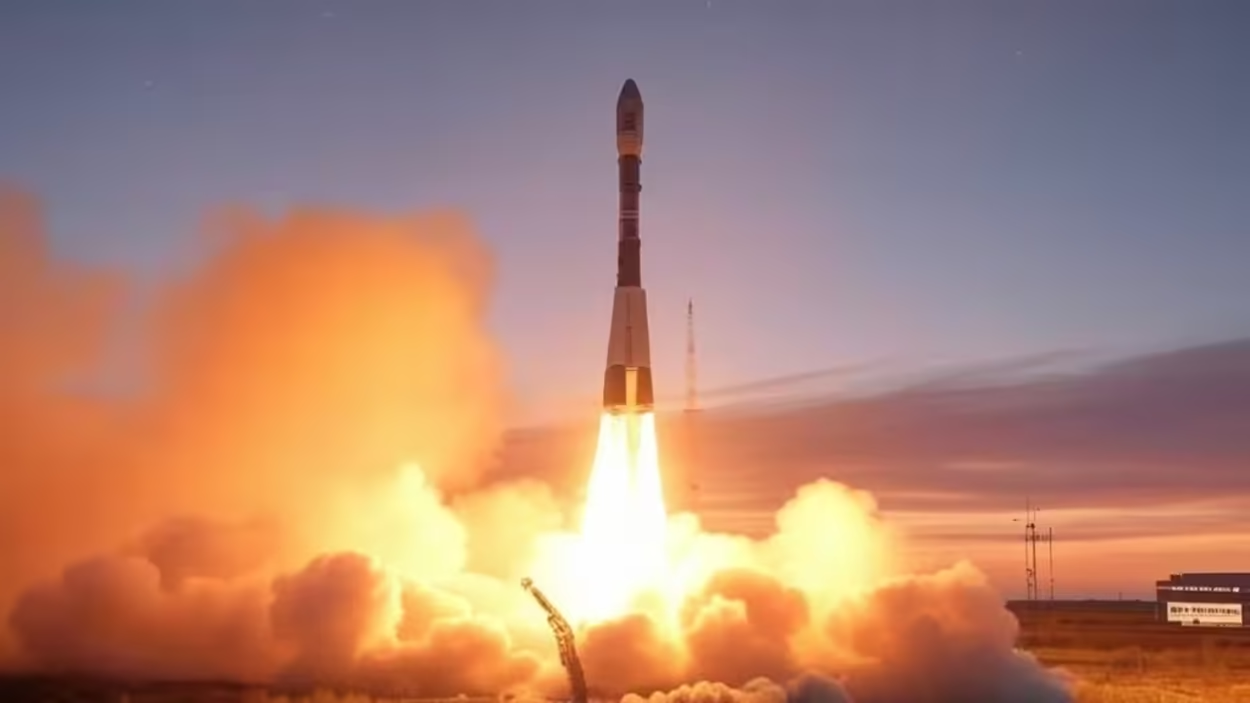
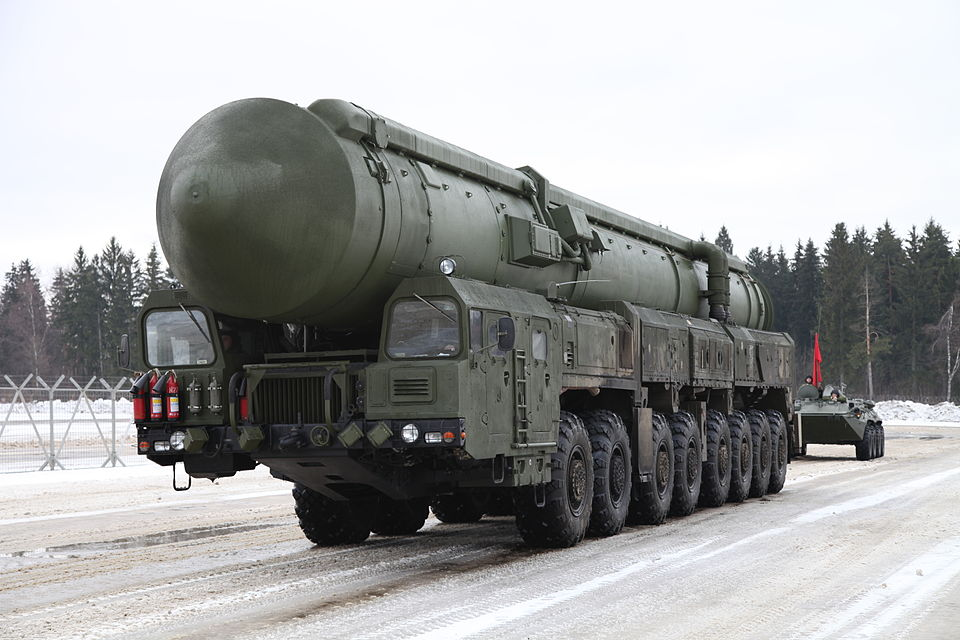
The "Start-1M" rocket continues the tradition of converting military developments for the peaceful exploration of space. Its progenitor is the mobile ICBM "Topol-M", which is in service with the Strategic Missile Forces. The Moscow Institute of Thermal Technology, part of the Roscosmos structure, adapted the combat platform for the task of launching small satellites. The new four-stage rocket is capable of delivering payloads weighing from 150 to 700 kilograms to orbits with an altitude of 200 to 1500 kilometers. The launch mass is about 47 tons, which classifies "Start-1M" as an ultra-light launch vehicle.
The project is being implemented through the joint venture "Novy Start", created with the participation of Roscosmos. The volume of private investments for an eight-year period is estimated at 600 billion rubles. The Vostochny Cosmodrome has been chosen as the site for preparation and launch, where the necessary infrastructure for operations with light-class rockets already exists. This solution allows for reduced costs and accelerated preparation for the first launch.
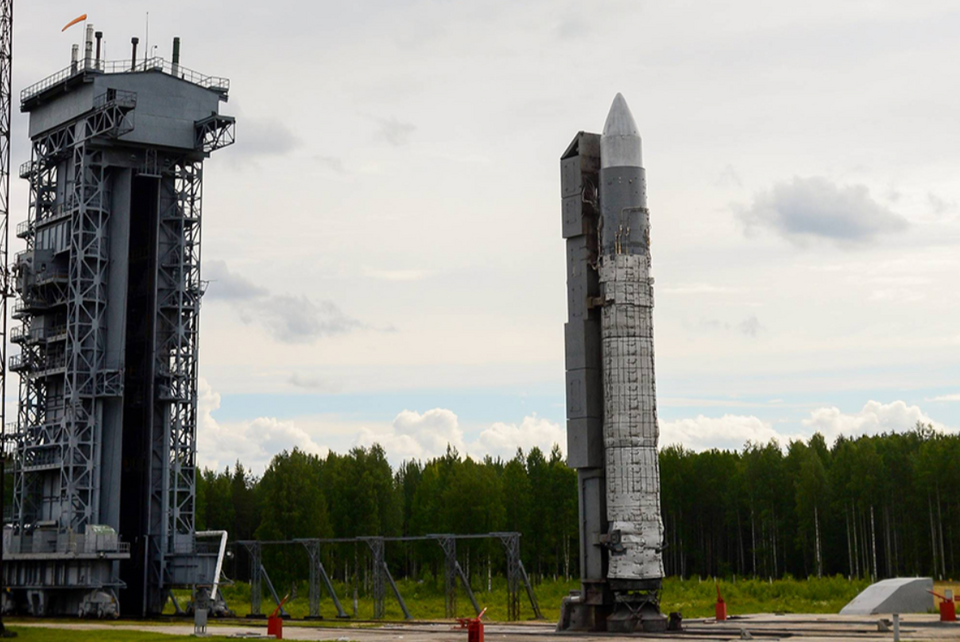
The practice of creating space launch vehicles based on combat missiles has deep roots in Russia. The world's first intercontinental missile R-7, developed under the leadership of Sergey Korolev, after successful tests became the basis for a family of launch vehicles that put the first satellite and the first man into orbit. Later, the "Dnepr" (based on R-36M) and "Rokot" (based on UR-100N) rockets followed a similar path. The use of ready-made military solutions allows for reduced time and costs for creating space systems, although modern launch vehicles are increasingly being developed from scratch for specific commercial tasks.
The market for launch services for ultra-light rockets remains a niche. Most customers prefer to place small satellites as a co-payload on medium and heavy-class rockets. However, experts anticipate an increase in demand for operational launches, especially for restoring satellite constellations or launching special-purpose spacecraft. Key factors for the demand for "Start-1M" could be low launch cost, high reliability, and the ability to launch in a short timeframe.
Read more on the topic:
Never miss our newsAdd this site to your preferred sources to see us more oftenAdd on Google

















