On November 15, 1988, the "Buran" spacecraft made its first and last journey into orbit using the "Energia" rocket. In 205 minutes, the spacecraft made two orbits around the Earth and automatically landed at the "Yubileyny" airfield. It was the world's first fully autonomous flight of an orbital spacecraft - an event recorded in the Guinness Book of Records.
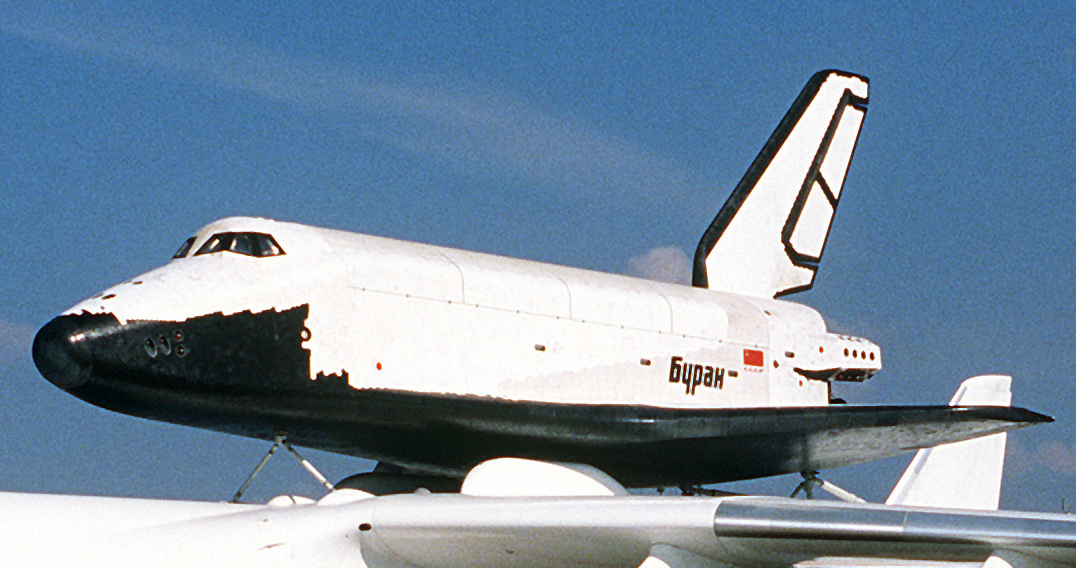
Creation
Work began in 1974, and in 1976 a resolution was issued to create a Soviet reusable system comparable to the American Space Shuttle. The "Energia - Buran" project brought together more than 1200 enterprises of the USSR. NPO Energia became the lead developer, and the glider was created by NPO Molniya under the leadership of Gleb Lozino-Lozinsky. 39 new materials and 230 technologies were created for the program. Total costs - about 16.5 billion rubles.
Features of "Buran"
"Buran" was a winged aircraft-airplane according to the "tailless" scheme:
- length - 36.4 m, wingspan - about 24 m
- cargo compartment - 18.3×4.7 m
- crew - up to 10 people
- payload - up to 30 tons into orbit and up to 20 tons on descent
The body materials included aluminum alloys, steel, titanium, and a reusable heat-shielding tile system: only 8 tiles out of almost 39 thousand were lost during the first flight.
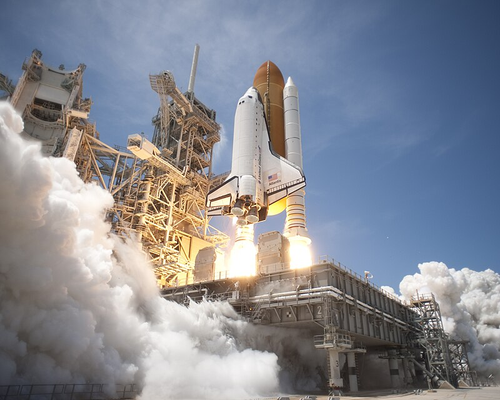
Comparison with the American shuttle: how "Buran" was better
According to VIAM estimates, "Buran" surpassed the American Shuttle in a number of parameters:
- flight autonomy and automatic landing
- duration of work in orbit - up to 30 days (compared to 15 for the shuttle)
- payload capacity - 30 tons (compared to 24 tons)
- preparation for launch - 15 days (compared to a month for NASA)
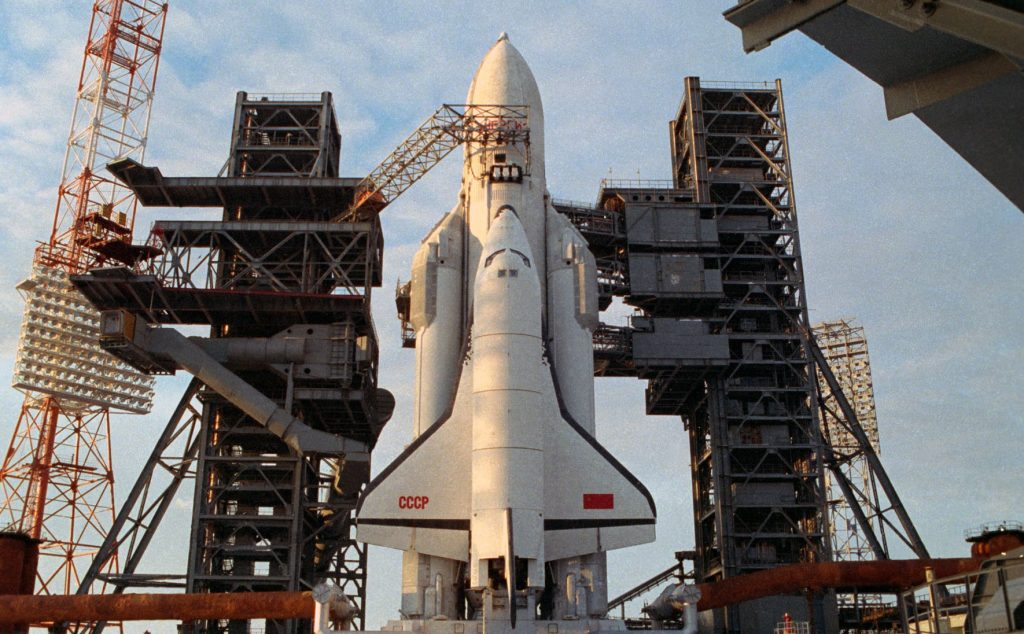
The main difference of "Energia" was its versatility: the rocket could launch any spacecraft up to 100 tons into orbit, not just the ship itself.
Using the heavy rocket "Energia"
The launch of "Buran" was carried out using a two-stage "Energia". After separation, the ship turned on its engines twice, gaining speed to the first cosmic speed and moving into orbit. The rocket was designed to accommodate a wide range of payloads, including super-heavy ones.
Completion of the program
In 1990-1993, work on the program was stopped due to reduced funding. The second "Buran" ship was never launched. The only flying copy died in 2002 after the roof of the hangar at Baikonur collapsed.
Read more materials:
- Russia is developing "Strizh": an unmanned aircraft with a unique design
- Rosatom is resuming the "Bolshoi Elkon" project to provide the country with uranium for centuries
- Russia may arm Venezuela with 2,000 Geran-2 drones
Never miss our newsAdd this site to your preferred sources to see us more oftenAdd on Google

















