Russia may have provided support to North Korea in the development of the Hwasong-20 solid-propellant intercontinental ballistic missile (ICBM). This was stated by Chairman of the Joint Chiefs of Staff (JCS) of South Korea, Jin Young-sun, writes Defence blog.
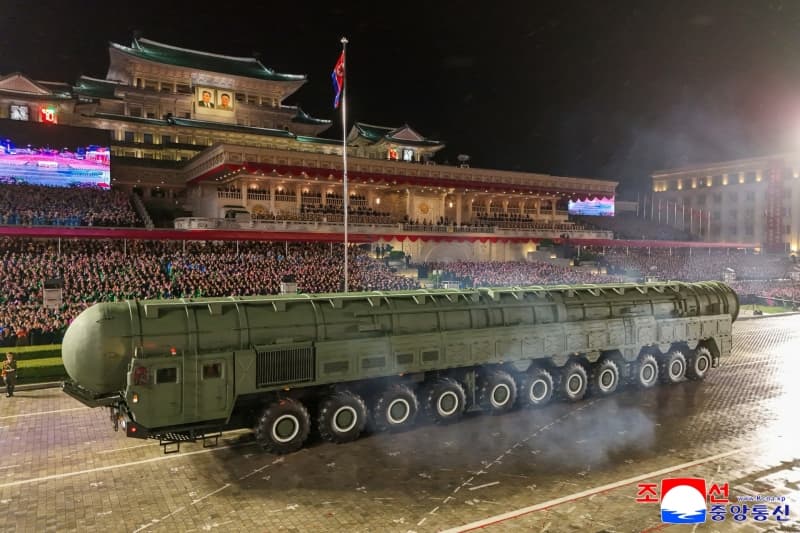
General Jin Young-sun stated at a meeting with parliamentarians that there is a "possibility" of Russia supporting the North Korean ICBM program. According to him, this is indicated by changes in the design of the transporter-erector-launcher (TEL), as well as the deepening military cooperation between the two countries.
The Hwasong-20 was presented to the public on October 10 at a parade celebrating the 80th anniversary of the ruling Workers' Party of Korea. The authorities called the ICBM "the most powerful example of nuclear weapons" in their arsenal.
The event also showcased other types of new weaponry, including a hypersonic missile and multiple launch systems for strike drones. This proves Pyongyang's desire to enhance the strike capabilities of its army.
The Chairman of the JCS of South Korea analyzed photographs of the Hwasong-19 and Hwasong-20 ICBMs published by ЦТАК. He pointed out significant differences in the design of the TEL, which indicates foreign technical assistance.
General Jin Young-sun acknowledged that intercepting the North Korean Hwasong-20 missile "may be difficult." The high-ranking military official stated that the new capabilities are causing concern in Seoul, so the South Korean authorities are preparing countermeasures.
For these purposes, surveillance of North Korea has been strengthened with the help of satellites. The General acknowledged that the military is using not only reconnaissance but also commercial spacecraft. In 2025, Seoul will be able to monitor the territory of North Korea every two hours by deploying an entire satellite network.
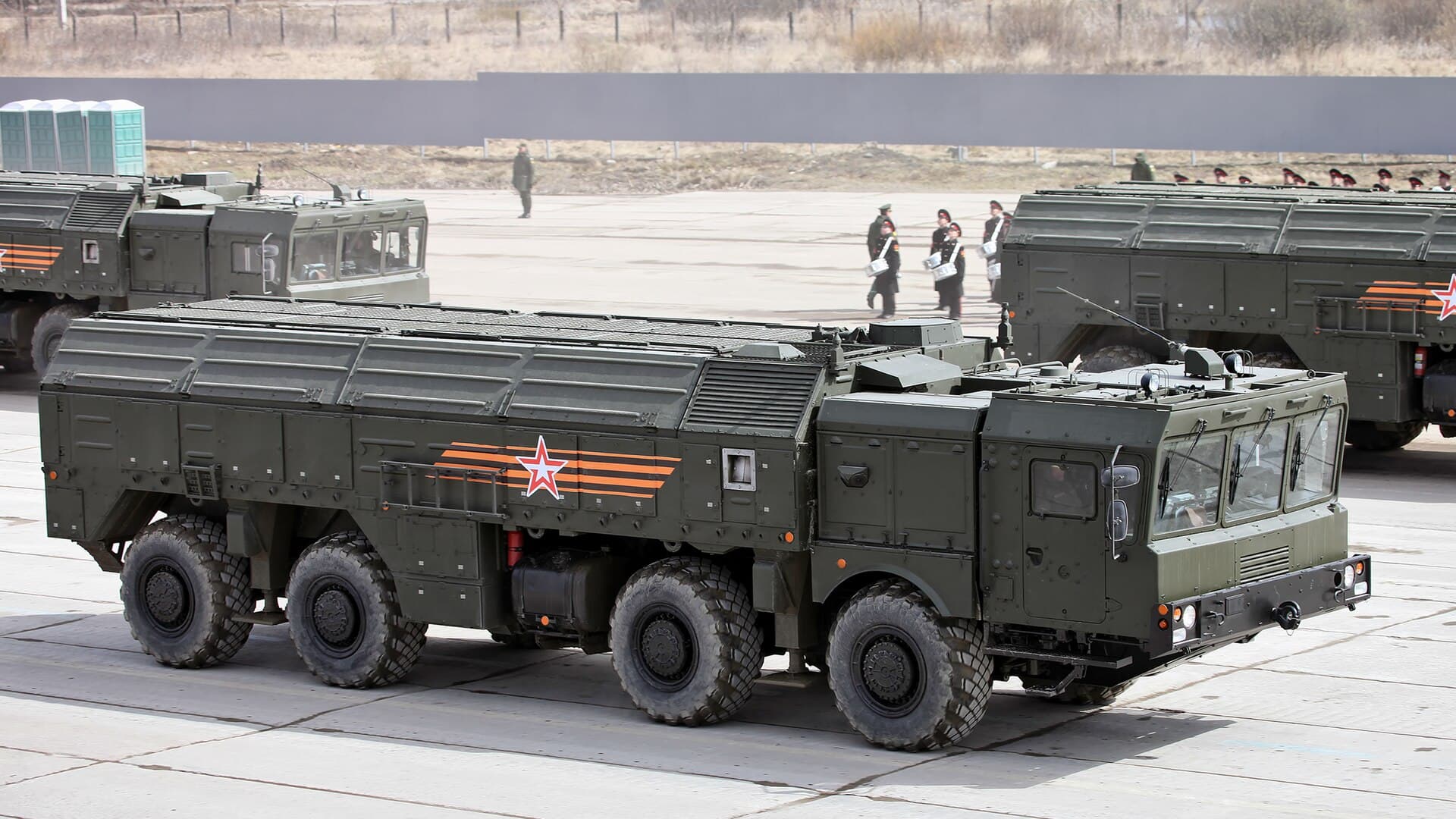
What do Hwasong-20 and Russian Iskanders Have in Common?
North Korea has been actively developing a missile program since 2017. Experts argue that North Korean engineers largely follow the principles of the "Soviet school." For example, the Hwasong-14 ICBM resembles the Soviet 15A15 ICBM.
In March 2021, Pyongyang first tested the KN-23 ballistic missile. Outwardly, it resembles the Russian 9M723 ballistic missile from the Iskander-M operational-tactical missile system (OTRK).
But the main similarity between the North Korean and Russian missiles is their quasi-ballistic trajectory. However, the range of the 9M723 in the standard modification is up to 500 km, and the KN-23 (according to various sources) is up to 450 km.
Read more materials on the topic:
- A Missile for Comrade Kim: The Hwasong-11Ma System Suspiciously Resembles the Iskander-M
- "Pyongyang Insistently Asked": South Korean Intelligence Claims that Russia Transferred Decommissioned Components of a Nuclear Submarine Installation to North Korea
- The Times: Improved North Korean KN-23 Ballistic Missiles Have Become Comparable in Accuracy to Russian Iskanders
Now on home

The service contains data on 45,000 fraudulent sites

The state has accelerated the introduction of unmanned solutions, integrating them into the real sector of the economy

Modernized engines may equip the Lada Azimut crossover

The price is 132 billion 265.8 million rubles

The manufacturer plans to strengthen its lineup of light commercial vehicles

The production of carbon fiber was organized in the shortest possible time

Electric vans will speed up the repair of urban transport infrastructure
Countries are working to synchronize regulations in the field of AI

The service's average daily audience is 55 million people

Stable Isomaterial Based on Metakaolin Has a Density Below 300 kg/m³

Re-identification quality improved twofold with new DynaMix method

Russians will be able to find out about debts online