The development of artificial intelligence (AI) technologies is limited by a large gap between the needs of data centers (DCs, a specialized facility that includes buildings, engineering and IT infrastructure for storing, processing and transmitting large amounts of data) and the capabilities of urban energy infrastructure. This was stated by Anton Zubkov, Deputy General Director for Strategy of Rosatom Infrastructure Solutions JSC, Executive Director of the Digital Energy Association, at the forum"Cloud Cities. Forum on the Future of BRICS Cities".
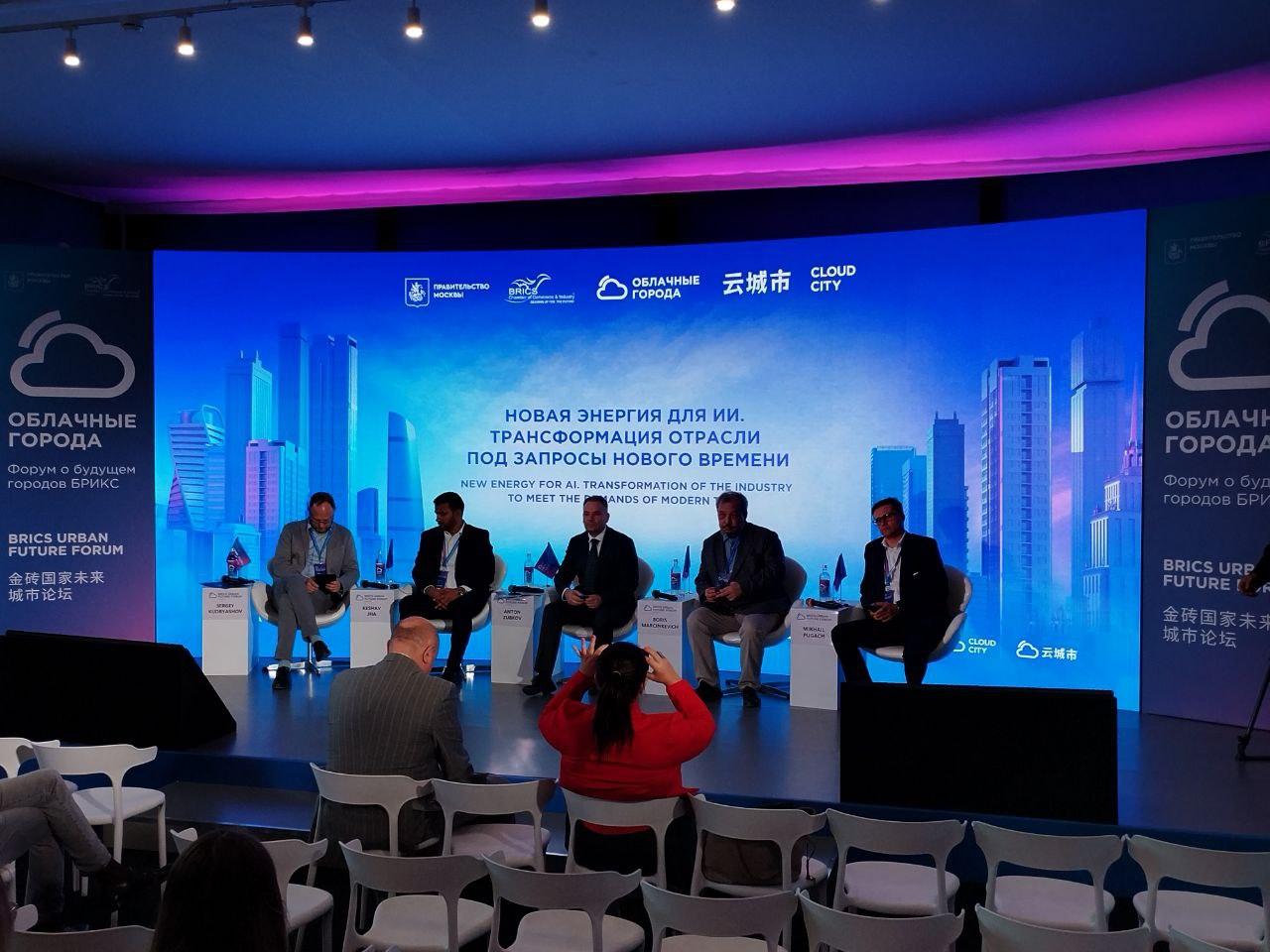
It is necessary to avoid a collapse when the development of the digital economy is hampered by a lack of power in the socket. After all, behind every message we send in a messenger, watching a video, or making a request to a neural network, there is a colossal amount of energy.
The speaker cited statistics that confirm the scale of the problem. According to a report by the International Energy Agency, data centers consume 1% of all global electricity. This is comparable to the amount of energy consumed in Spain. This figure is expected to double in 2026.
One server rack for training a neural network consumes up to 100 kW, which is equivalent to the operation of 1000 powerful gaming computers. A large data center can consume up to 500 MW - like a city with a population of 200-300 thousand people. At the same time, 40% of consumption goes to cooling the system.
Zubkov explained that the existing power grids were designed in the last century for much smaller loads, and they are not suitable for fully meeting the needs of data centers. In this situation, it is necessary to change the approach to energy consumption itself.
According to the speaker, there are three ways out of the energy crisis:
- Intelligent demand management. At peak load on the grid, large consumers could reduce energy consumption by 5-15%
- Decentralization and increased own efficiency. It is necessary to develop own generation (install solar panels, use liquid cooling, and direct heat into a closed cycle)
- Coordination and proactive planning. The dialogue between the authorities, energy companies and data center operators should be systematic. It is necessary to synchronize plans for the development of energy infrastructure and company plans.
"First Technical" is an information partner of the event "Cloud Cities. Forum on the Future of BRICS Cities".
Read more on the topic:
An innovative method for producing solar batteries has been created
The State Duma approved the law on the status of data centers as critical infrastructure facilities
Never miss our newsAdd this site to your preferred sources to see us more oftenAdd on Google

















