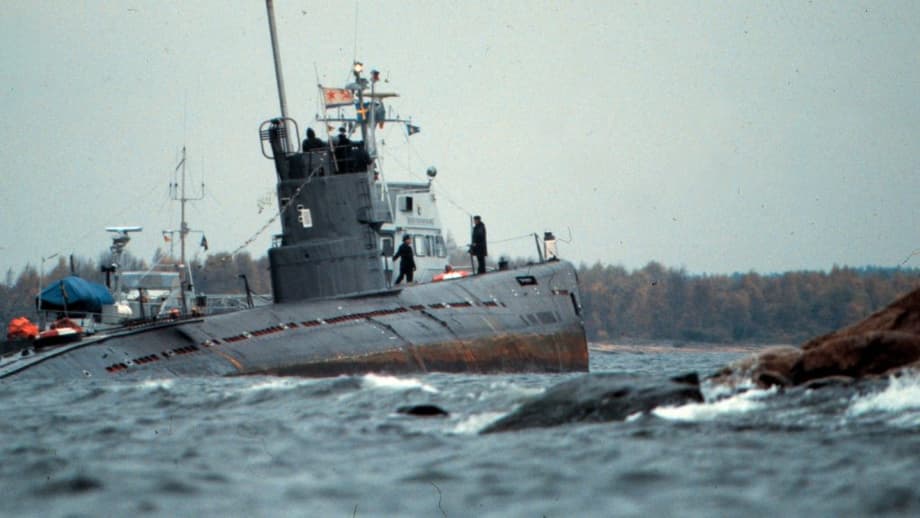
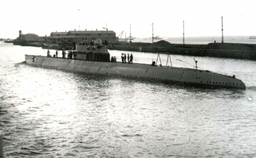
October 27, 1981 The Baltic Fleet submarine "S-363" of Project 613, while traveling in a surface position, ran aground in the closed zone of Swedish territorial waters near the Karlskrona naval base. The incident was the result of a combination of malfunctioning outdated navigation devices and errors in the control of the ship.
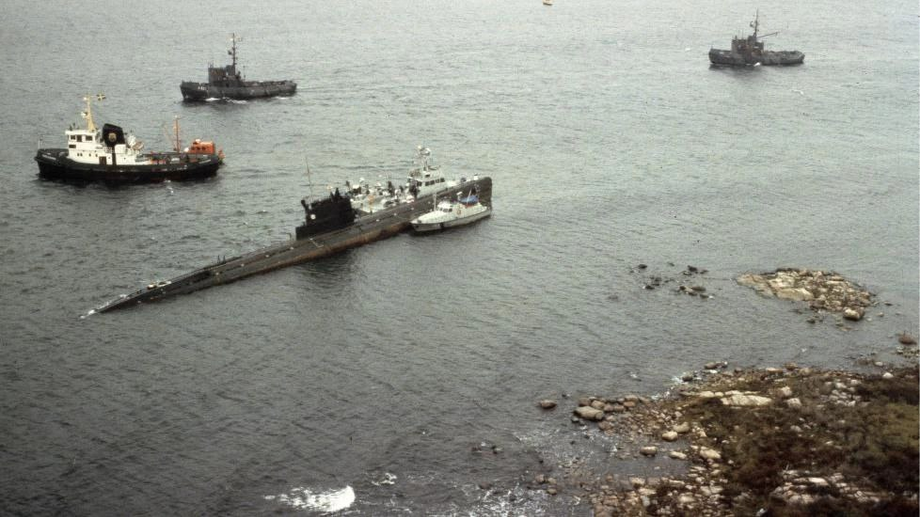
The incident caused an international scandal, as the Soviet submarine was located near one of the main Swedish naval bases during the Cold War. The commander of the submarine, Captain Second Rank Anatoly Gushchin, claimed that a navigational error had occurred. However, the Swedish side suspected that the submarine was carrying out a reconnaissance mission.

After several days of negotiations and thorough checks, including measurements of the radiation background (as the Swedes suspected the presence of nuclear weapons on board), the submarine was released and towed to neutral waters.
The cause of the incident was the irresponsible attitude of the commander of the navigation combat unit to his professional duties. During the investigation, it turned out that the sextants were incorrectly configured, and the navigator did not know how to use them. In addition, he did not have the skills to work with the PIRС radio navigation device. The frame of the radio direction finder antenna was damaged due to snagging on a fishing net, which also exacerbated the situation. For unknown reasons, there was no communication on the submarine.
Separately, one can consider the actions of the officer on watch, who was also obliged to determine the location. Apparently, all this was done poorly or not done at all. And why, if you are in the middle of the Baltic Sea.
The incident was nicknamed "Whiskey on the Rocks" in the press — a pun on the name of Project 613 ("Whiskey class" according to NATO classification) and the expression "whiskey on the rocks". In the USSR, the submarine received the unofficial nickname "Swedish Komsomolets".
This case became one of the most famous episodes of the Cold War in Northern Europe and seriously affected relations between the USSR and Sweden.
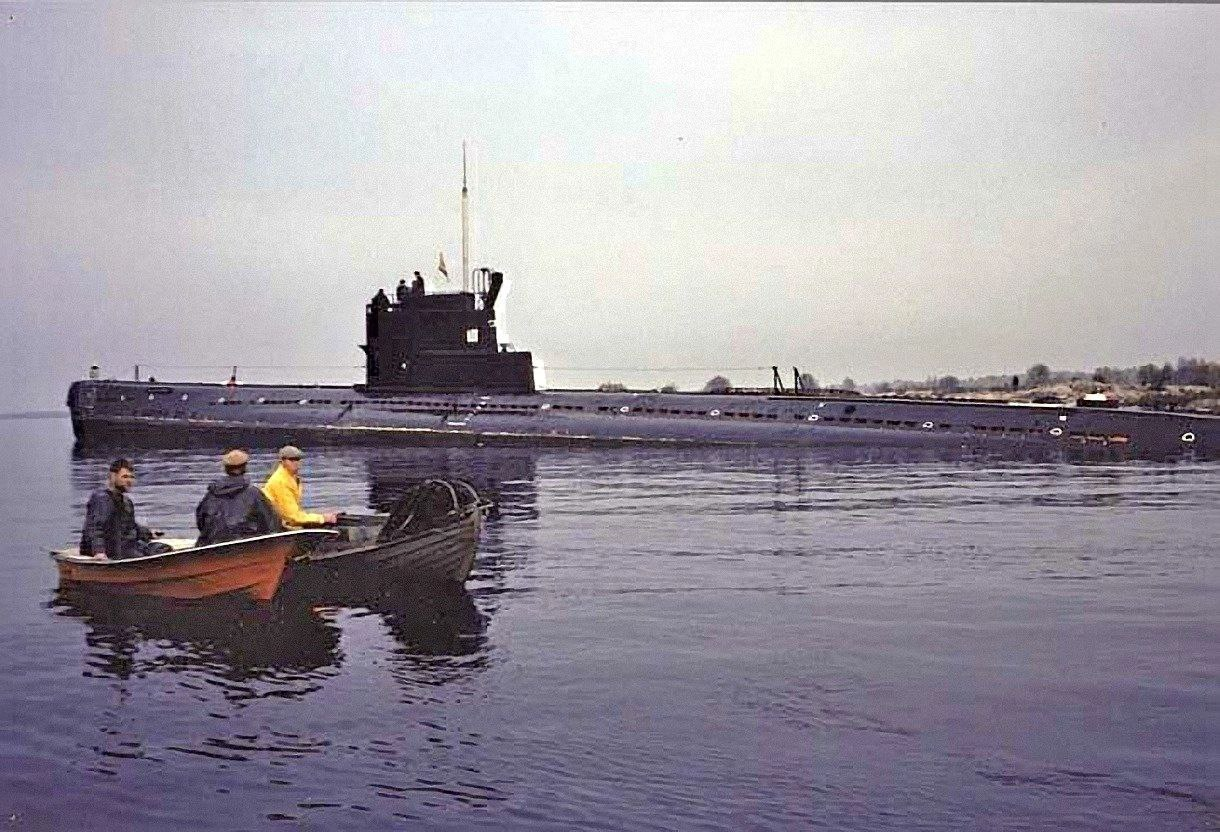
S-363 is a Soviet medium torpedo diesel-electric submarine of Project 613.
Technical characteristics of the submarine of Project 613:
- Speed: surface — 18 knots, underwater — 13 knots.
- Working immersion depth: 170 m, maximum — 200 m.
- Navigation autonomy: 12,000–15,000 miles.
- Crew: 52–54 people.
- Displacement: surface — 1030 tons, underwater — 1350 tons.
- Length: greatest (along CWL) — 76 m.
- Hull width: max. — 6.7 m.
- Height: 11 m.
- Power plant: diesel-electric, 2 37D diesels of 2000 hp each, 2 PG-101 main electric motors of 1350 hp each, 2 PG-103 economic speed electric motors of 50 hp each, 2 46SU battery packs of 112 elements each, 2 propeller shafts.
- Armament: paired 57 mm SM-24 ZiF anti-aircraft gun, 4 bow and 2 stern 533 mm TA (ammunition load of 12 torpedoes).
Earlier, www1.ru reported that the new Burevestnik missile can be launched from launchers for the Iskander or Oreshnik.
Read more materials:
- Tests of the Arbalet FPV drone with an AKS-74U assault rifle were shown on video
- Russian low-noise diesel-electric submarine of project 636.3 in the Mediterranean Sea stirred up NATO countries
- Russian low-noise diesel-electric submarine of project 636.3 in the Mediterranean Sea stirred up NATO countries
Now on home

Герой России Гарнаев: никто из профессионалов о возобновлении производства на КАЗ всерьёз не говорит
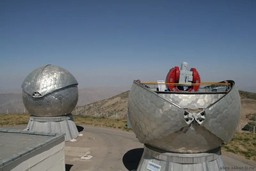
Система отслеживает спутники на высотах до 50 000 км и ведёт за ними наблюдение


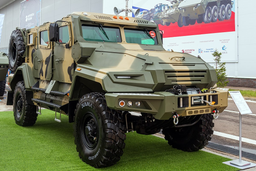
The armored vehicle is equipped with a KamAZ-740.35-400 diesel engine with a power of 400 hp.
Constant improvements in avionics, weapons and tactical capabilities will make the aircraft a flexible response to future challenges

The exterior of the KamAZ-54901 features fairings on the cab and chassis for fuel economy
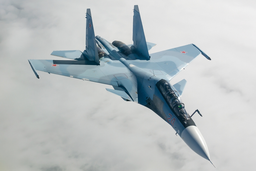
Fighters are in demand both domestically and abroad

Tyazhpromexport and Venezuela Agree on Plant Revival
The company not only completed the state order, but also quickly mastered the production of AK-12K for special forces
Experts have developed a photogrammetric complex with a resolution of less than 1 cm