Translated with AI from the Russian original.
AVTOVAZ tested the body of the Lada Azimut crossover for strength with a force of up to 10 tons. A special cylindrical element was slowly pressed into the door area by 46 cm to check if the body could withstand such a load and maintain its shape. To make it clearer how great this load is, AVTOVAZ compared it to the weight of six to seven passenger cars or two adult African elephants.
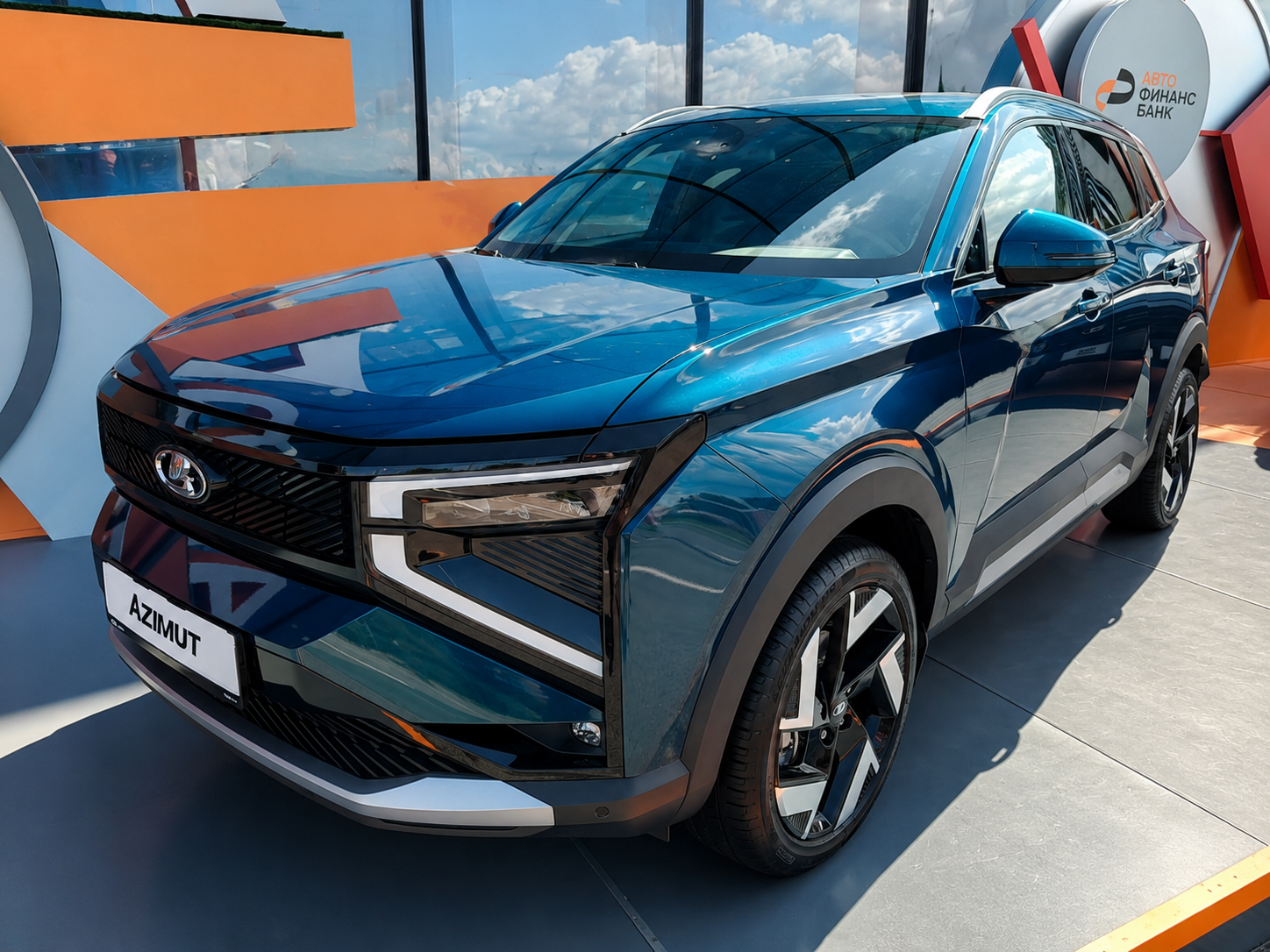
The test was conducted as part of checking the passive safety of the Lada Azimut. Unlike a regular crash test, the element was slowly pressed into the body to see how it deforms under load. Following the check, AVTOVAZ reported that the body has a 30% safety margin.
The test was part of a large safety testing program for the Lada Azimut. In total, the car undergoes more than 100 different tests, including frontal and side crash tests, pole impact, and rear-end collision checks.
The Lada Azimut has already passed other tests. In July, the crossover was tested for side impact against a stationary pole according to UN Regulation No. 135. The car was accelerated to 32 km/h, and the load on the dummy's head was 38.4% of the maximum permissible value.
Before that, in April, specialists also tested the rear seat belt anchorages. A total force of 9 tons was applied to them for two seconds.
In June, the crossover was sent to a vibration stand, where loads comparable to eight years of operation were to be reproduced over 250 hours.
Read more on the topic:
Never miss our newsAdd this site to your preferred sources to see us more oftenAdd on Google

















