Translated with AI from the Russian original.
Lada Azimut crossovers have successfully passed the next stage of factory passive safety tests, AvtoVAZ reports. The program included more than 100 different tests of the car and its components, including frontal and side crash tests, a side impact against a pole, and a rear impact. In addition to impact tests, special attention was paid to static tests of the body and restraint systems for strength and injury safety.
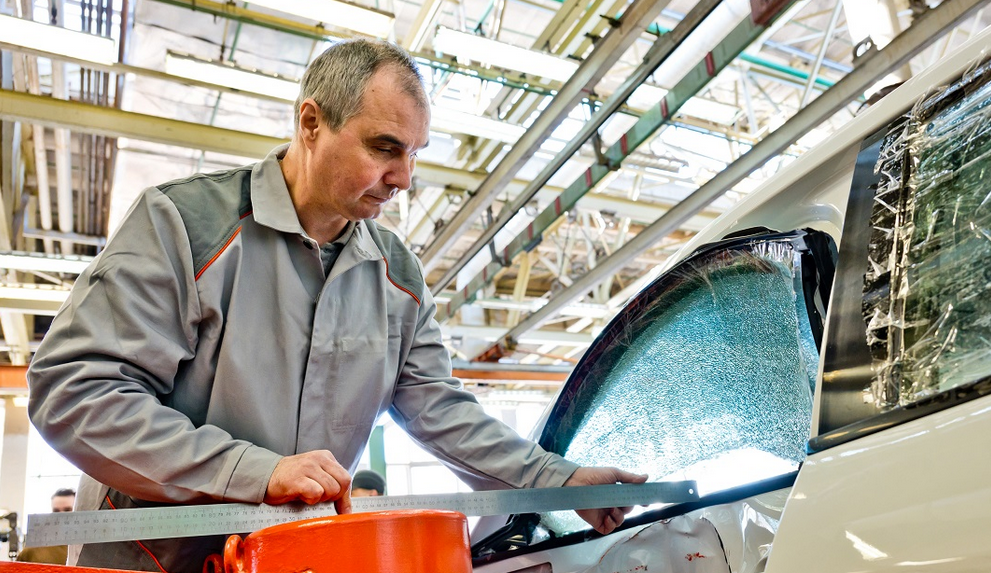
One of the validation stages was bench testing of seat belt mounting points. A unique hydraulic stand allows creating a high load on all belts simultaneously. During the tests, a total force of 9 tons was applied to the rear row belts for 2 seconds, while the rules require withstanding a load of only 0.2 seconds. According to the test results, the belts showed high strength under a load exceeding the legal requirements, and the mounting points demonstrated a minimal level of deformation.
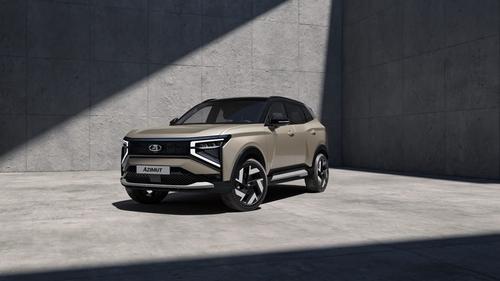
Along with the mandatory tests, additional tests were carried out according to stricter foreign standards. In particular, a static test of the strength of the body and the driver's door showed that when a loading element was introduced 46 cm into the cabin with a force of up to 10 tons, the Lada Azimut body demonstrated a 30 percent safety margin.
Read more on the topic:
Never miss our newsAdd this site to your preferred sources to see us more oftenAdd on Google

















