Translated with AI from the Russian original.
More than 100 electric vessels are planned to be laid down at the Moscow Shipyard by 2030. Concurrently, Moscow intends to expand regular passenger transportation across the entire Moskva River within the city limits, and by 2035, completely convert the capital's river fleet to electric propulsion. This was announced by Moscow Mayor Sergey Sobyanin.
The Moscow Shipyard will make a decisive contribution to solving this problem. And at the same time, it will give a powerful impetus to the development of domestic shipbuilding.
The Moscow Shipyard has been operating since 2025 and is engaged in the construction and maintenance of electric vessels. Currently, the enterprise is building two models of vessels — "Moscow 1.0" for regular routes and double-deck pleasure boats of the "Moscow 3.0" project. All main components and assemblies of Moscow's electric vessels, including the hull, engines, control systems, and software, according to Sobyanin, are produced in Russia.
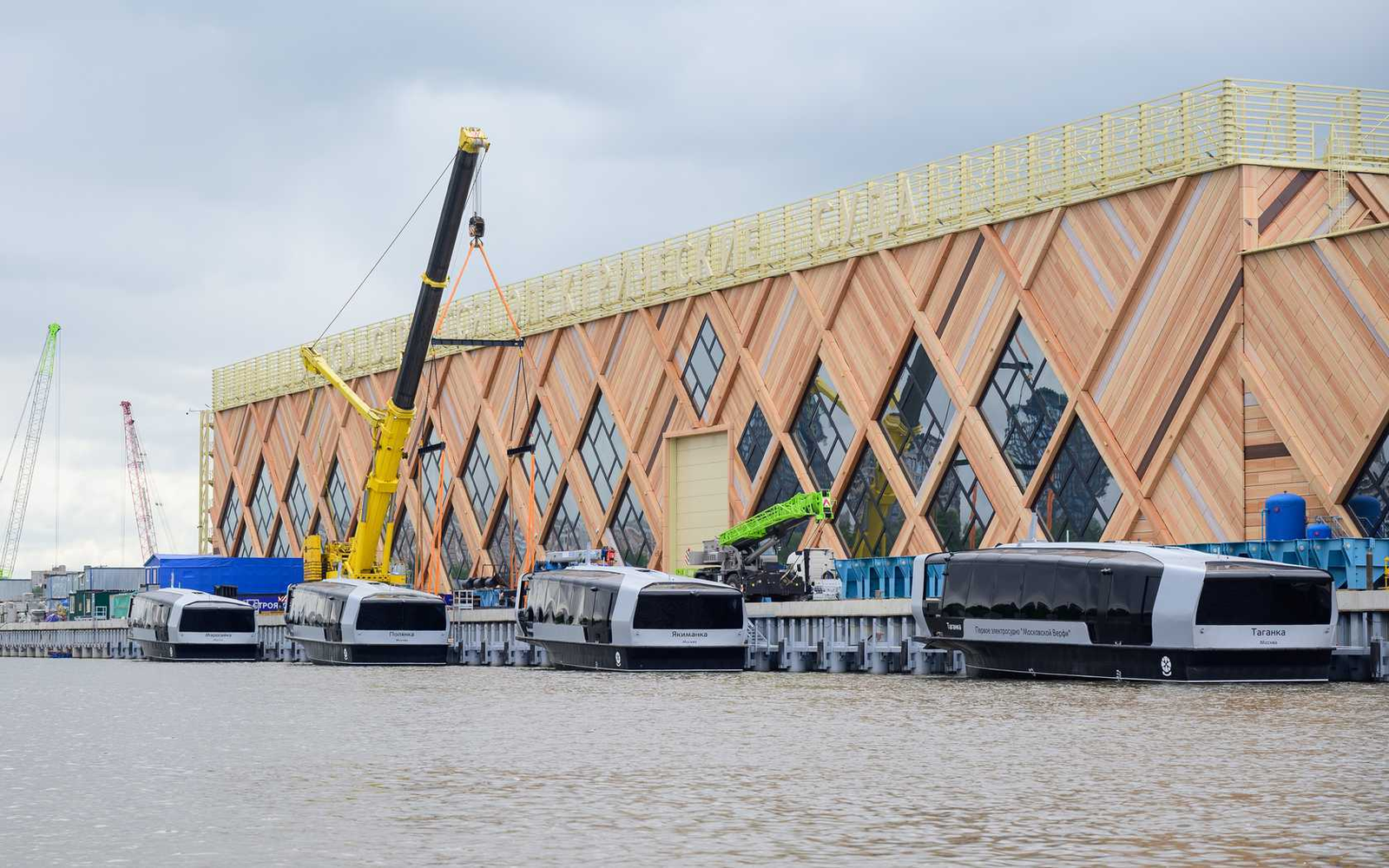
The first four "Moscow 1.0" vessels — "Taganka," "Yakimanka," "Polyanka," and "Maroseyka" — have already been launched and undergone sea trials. The shipyard is building the next batch of four more such vessels, which are planned to be launched by the end of 2026. The capacity of "Moscow 1.0" is up to 56 passengers.
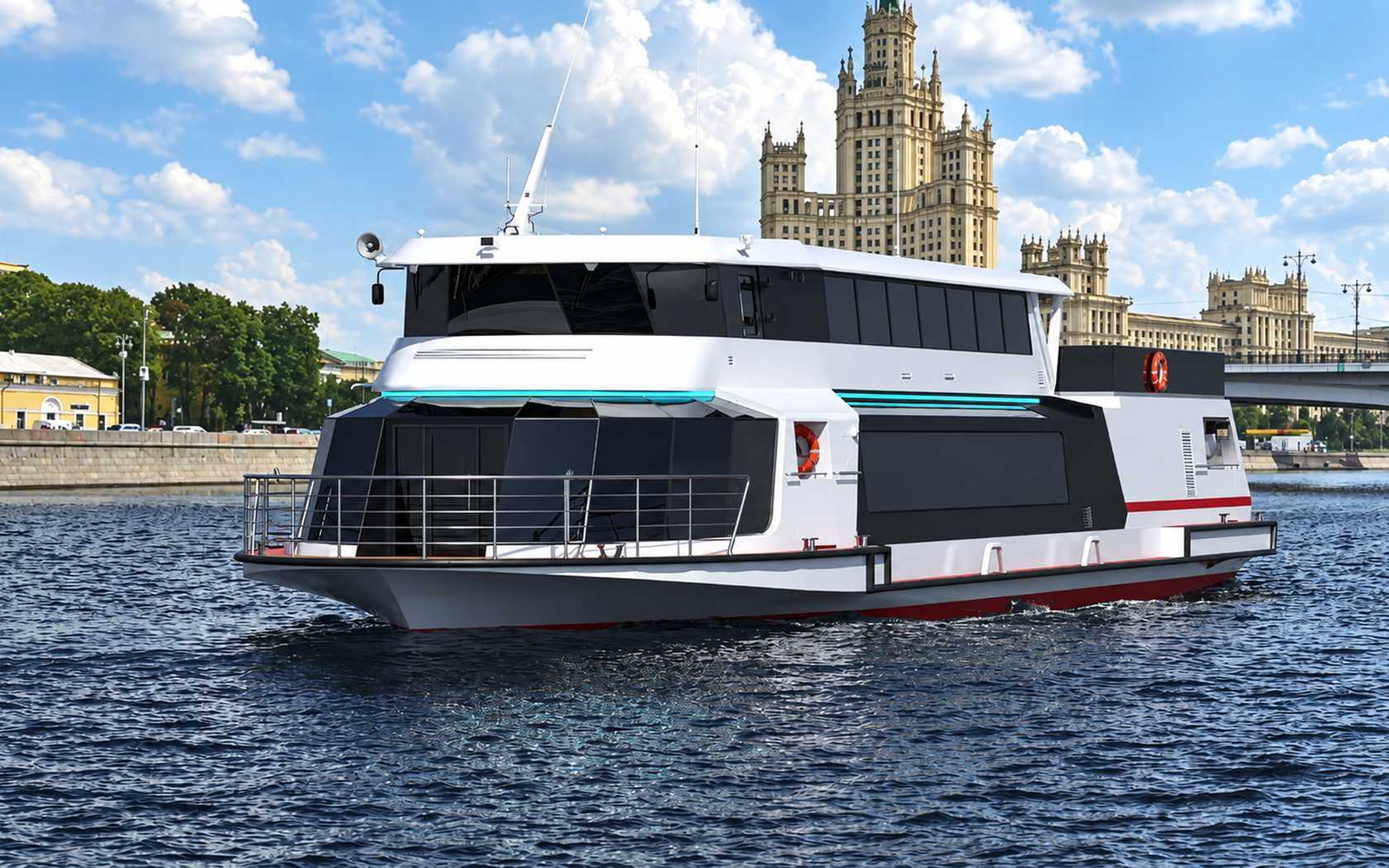
A separate direction is the "Moscow 3.0" pleasure boats. This summer, the Moscow Shipyard began construction of four such electric vessels, and four more are planned to be laid down in the near future. In total, up to 14 vessels of this series are expected to be launched by the end of 2028. The project includes a spacious saloon, panoramic glazing, and an open upper deck.
Characteristics of "Moscow 3.0" project vessels:
- Length — over 35 m
- Width — 8 m
- Capacity — up to 168 people
- Speed — 18 km/h
- Crew — 10 people
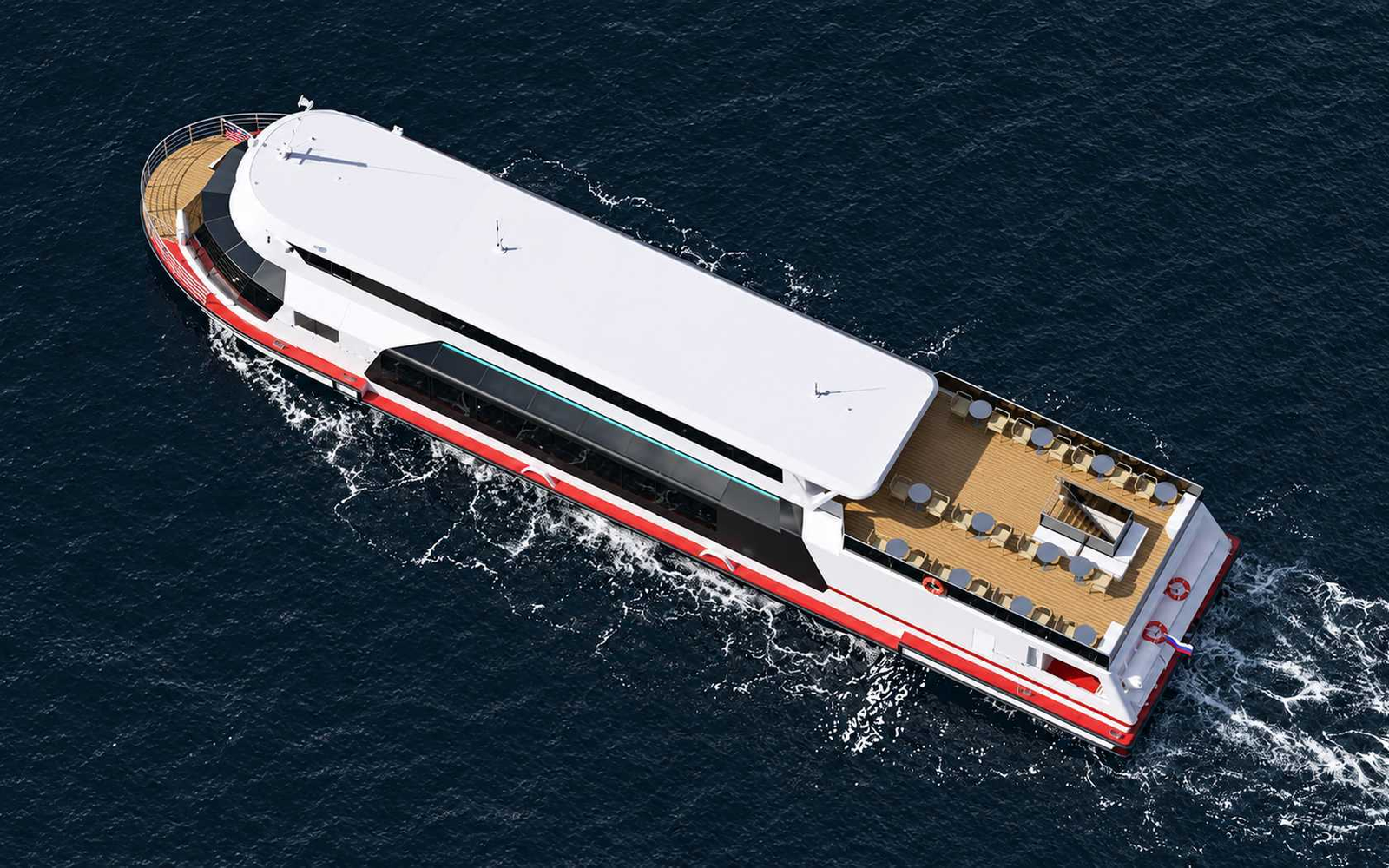
The new vessels are intended to gradually replace Moscow's old pleasure fleet. According to Sobyanin, it currently numbers more than 160 motor ships over 40 years old.
The transition concerns not only pleasure routes. The capital's transport development strategy envisages increasing the total number of river trips to 7 million per year, and regular passenger traffic should cover the entire Moskva River within the city limits.
At the same time, the deadline for the complete transition to electric propulsion — 2035 — is currently a planned target. The implementation of this program will depend on the pace of construction of new vessels and the expansion of the river transport network.
Read more on the topic:
Never miss our newsAdd this site to your preferred sources to see us more oftenAdd on Google

















