The Peter the Great Military Academy of the Strategic Missile Forces received a patent for a target to practice skills in hitting targets simulating FPV drones with standard small arms.
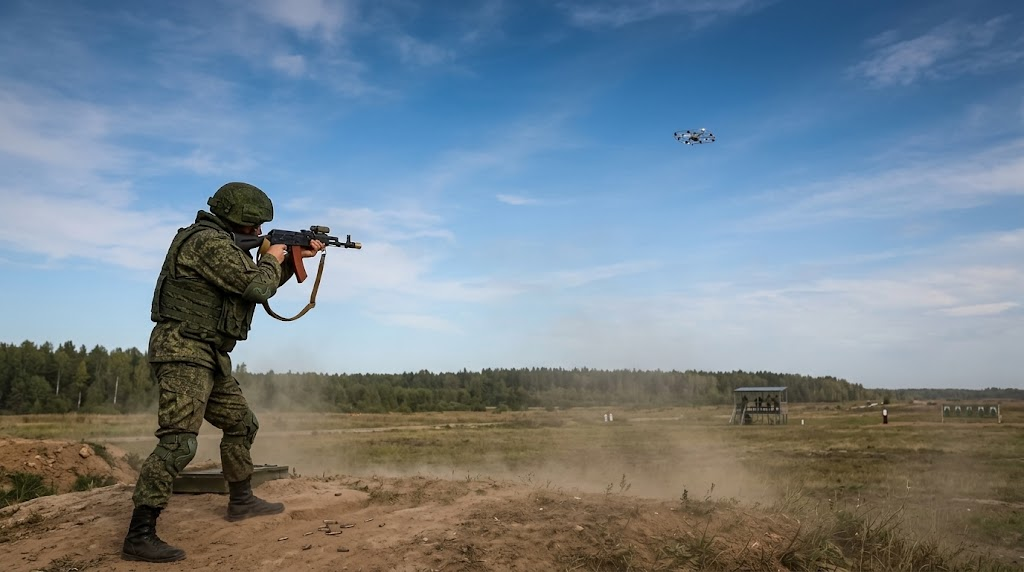
The development is designed for safe training of soldiers to shoot at highly maneuverable low-flying targets. The use of live ammunition at training grounds limits the conditions for exercises, and the use of conventional drone targets can lead to their damage or destruction.
The complex's operating scheme is designed to use a standard assault rifle or machine gun equipped with blank cartridges and a laser emitter (for example, built into the body of a muzzle device or target designator). When the trigger is pulled, a blank shot occurs, retaining realistic recoil and sound, and simultaneously a narrow-beam laser pulse is generated.
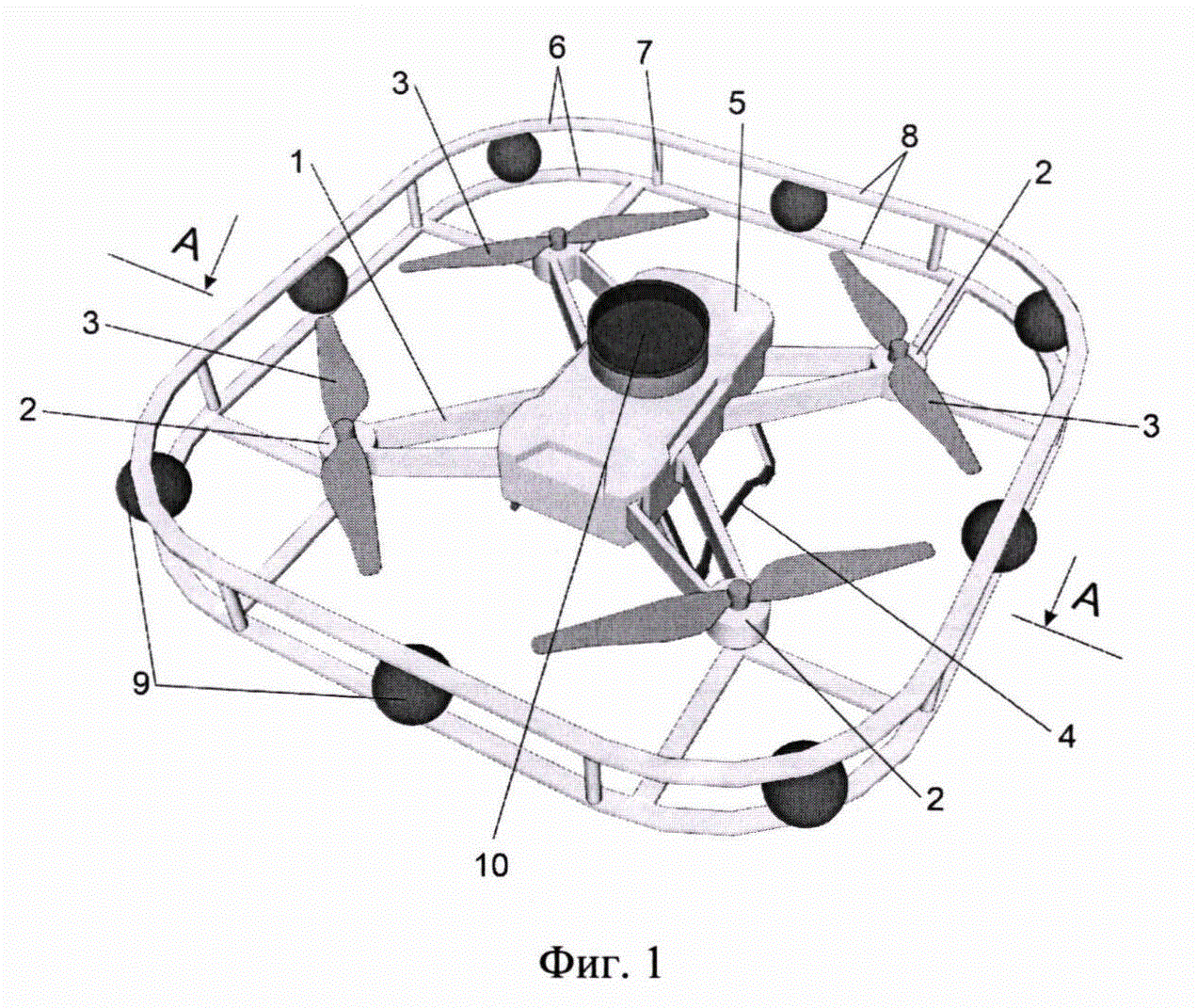
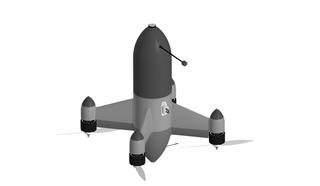
If the laser beam hits one of the eight sensors on the UAV body, the onboard module instantly activates light and sound alarms located on the upper and lower platforms of the drone. Simultaneously, data on the hit (number of the activated sensor, time, and conditional ID of the shooter) are transmitted to the instructor's console via radio.
Protective carbon fiber arcs protect the propellers and electronics of the target from damage during accidental collisions with obstacles or hard landings.
In the patent description, the authors indicate that the proposed scheme allows modeling the flight dynamics of a real FPV drone and conducting training both individually and as part of units in all weather conditions.
Read more on the topic:
Never miss our newsAdd this site to your preferred sources to see us more oftenAdd on Google