Translated with AI from the Russian original.
India is considering replacing nickel-cadmium batteries with lithium-ion ones for Tejas fighters, and the heavy Su-30MKI has become a prime example. Its two powerful AL-31FP engines with thrust vectoring give the aircraft a large reserve and allow it to react less acutely to additional kilograms of equipment, whereas for the light single-engine Tejas, weight reduction can have a much more noticeable effect.
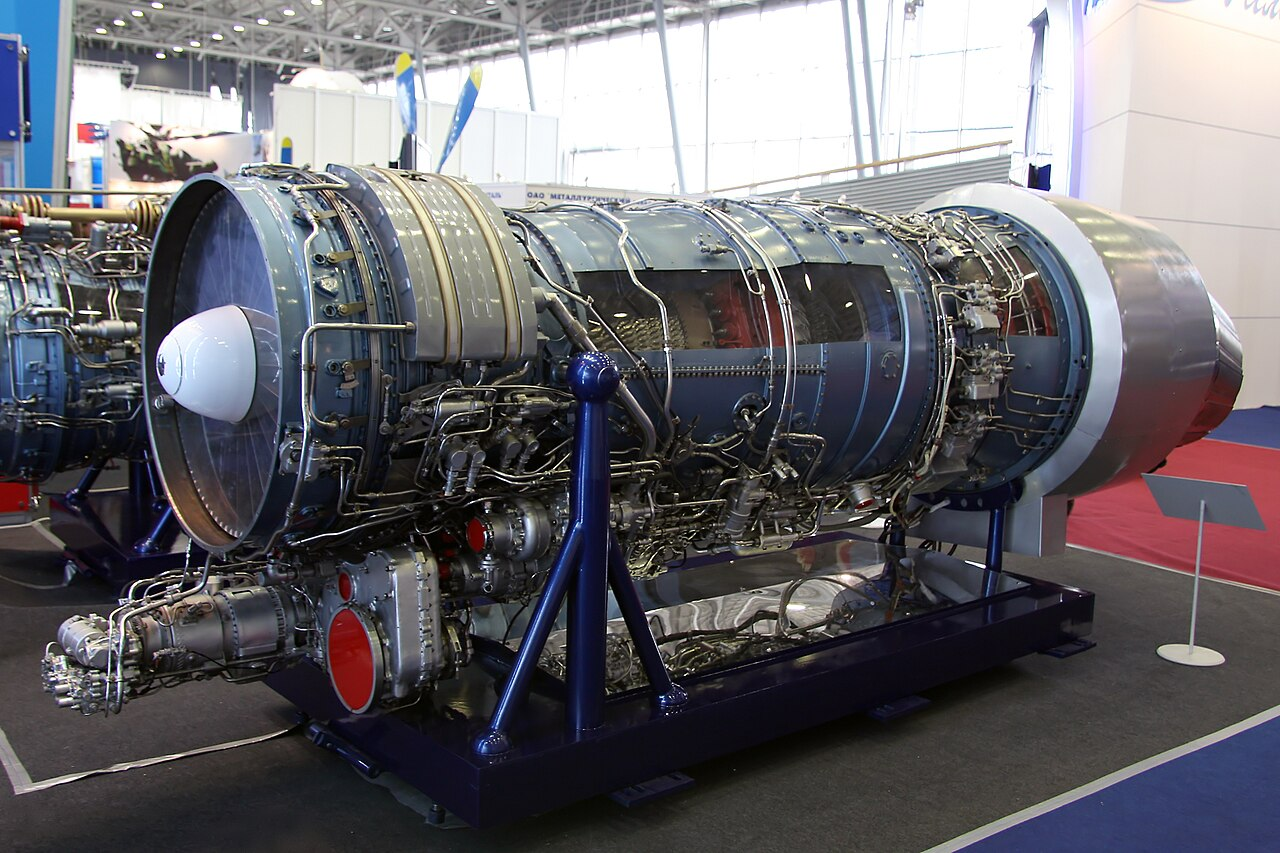
The Su-30MKI is a large twin-engine aircraft with a large mass and a reserve of fuel and weapons, while the Tejas was designed as a light single-engine fighter. Therefore, even a relatively small weight saving of the onboard battery is potentially more valuable for the Tejas than for the heavy "Sukhoi".
Currently, the Tejas is equipped with two 44 Ah nickel-cadmium batteries at 24 V. They provide backup power for critical aircraft systems. Lithium-ion technology can provide higher specific energy density with less weight, as well as provide higher peak current and faster charge recovery.
For the Su-30MKI, the very idea of reducing battery weight seems less critical also because the aircraft is initially designed for a significantly greater load.
Read more on the topic:
Never miss our newsAdd this site to your preferred sources to see us more oftenAdd on Google

















