Two technological lines of the Rosatom Science radiopharmaceutical (RFLS) plant have been launched into pilot industrial operation. Production is being built in accordance with international GMP standards of the Eurasian Economic Union. By 2030, the enterprise will be able to provide 1.5 million medical procedures using radiopharmaceuticals.
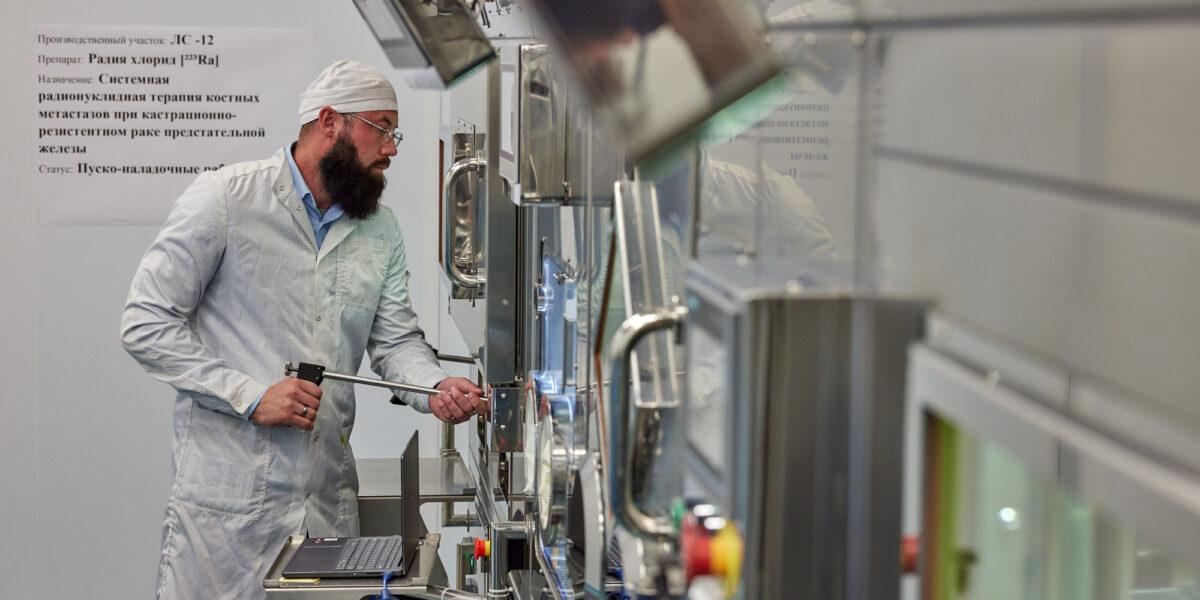
The lines use automatic synthesis modules of Russian production. Their key feature is the ability to simultaneously synthesize a large number of drugs. One line is designed to produce at least 100 vials per shift. Automation ensures the reproducibility of each batch, minimizes the human factor, and guarantees the sterility of the finished product. It also provides for the possibility of changing synthesis algorithms for the production of promising radiopharmaceuticals under conditions that meet GMP requirements.
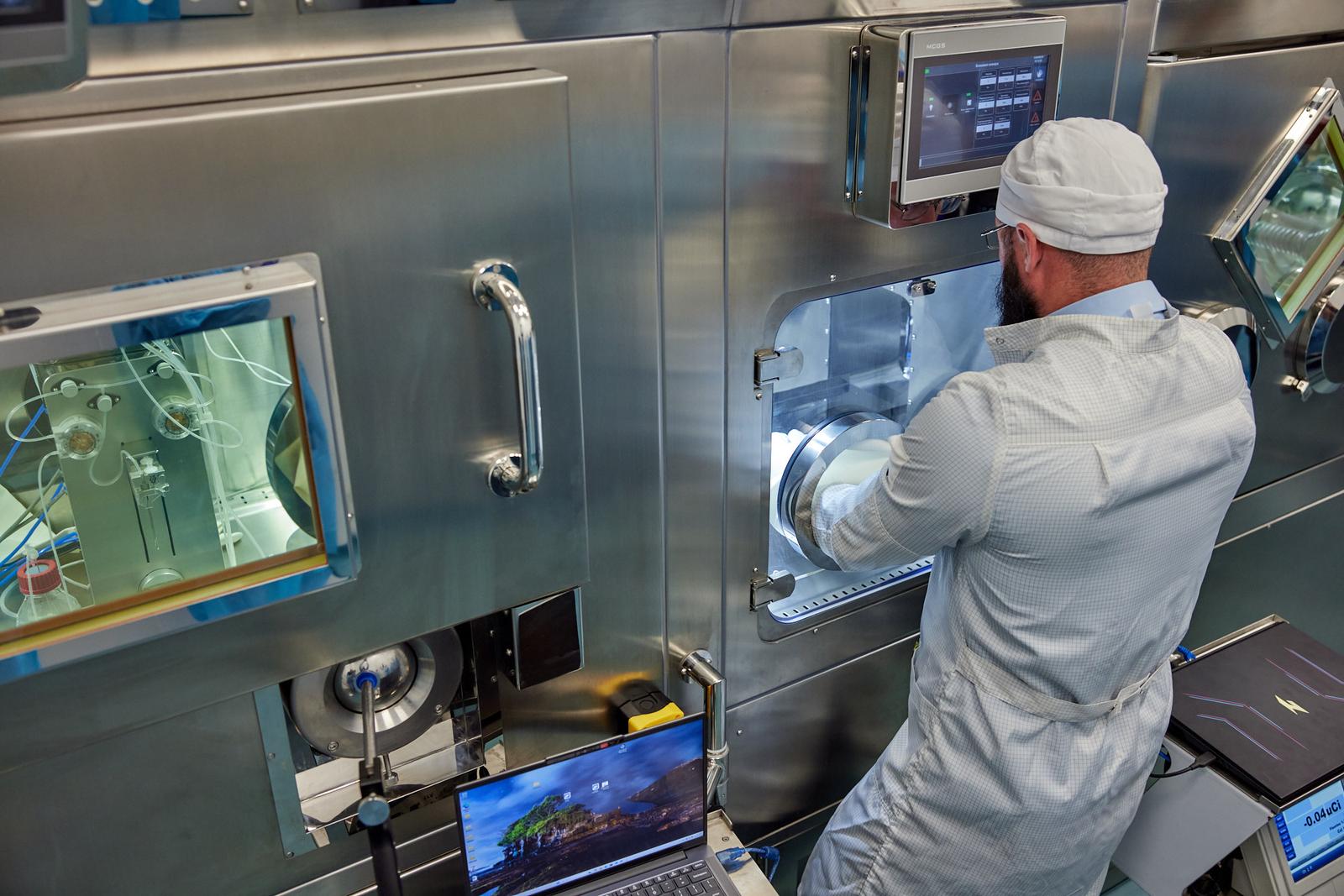
Reaching design capacity is planned for 2028. The plant will produce drugs based on radium-223, which is used to treat oncological diseases, primarily bone metastases. The enterprise will also establish the production of RFLS based on actinium-225 – a radionuclide that occupies a special place among alpha emitters due to its nuclear-physical properties and the possibility of targeted delivery. Actinium-225 attaches to a special molecule that delivers the isotope to the cancer cell. Alpha particles damage the DNA of tumor cells and provoke their death, which allows the destruction of all pathological foci, including micrometastases.
Read more on the topic:
Never miss our newsAdd this site to your preferred sources to see us more oftenAdd on Google

















