Scientists from Perm National Research Polytechnic University (PNRPU) have developed a technology for applying a super-strong coating based on a compound of zirconium, aluminum, and nitrogen (ZrAlN). The material is many times harder than steel, has a low coefficient of friction, and can withstand loads of more than 7 kg at high temperatures.
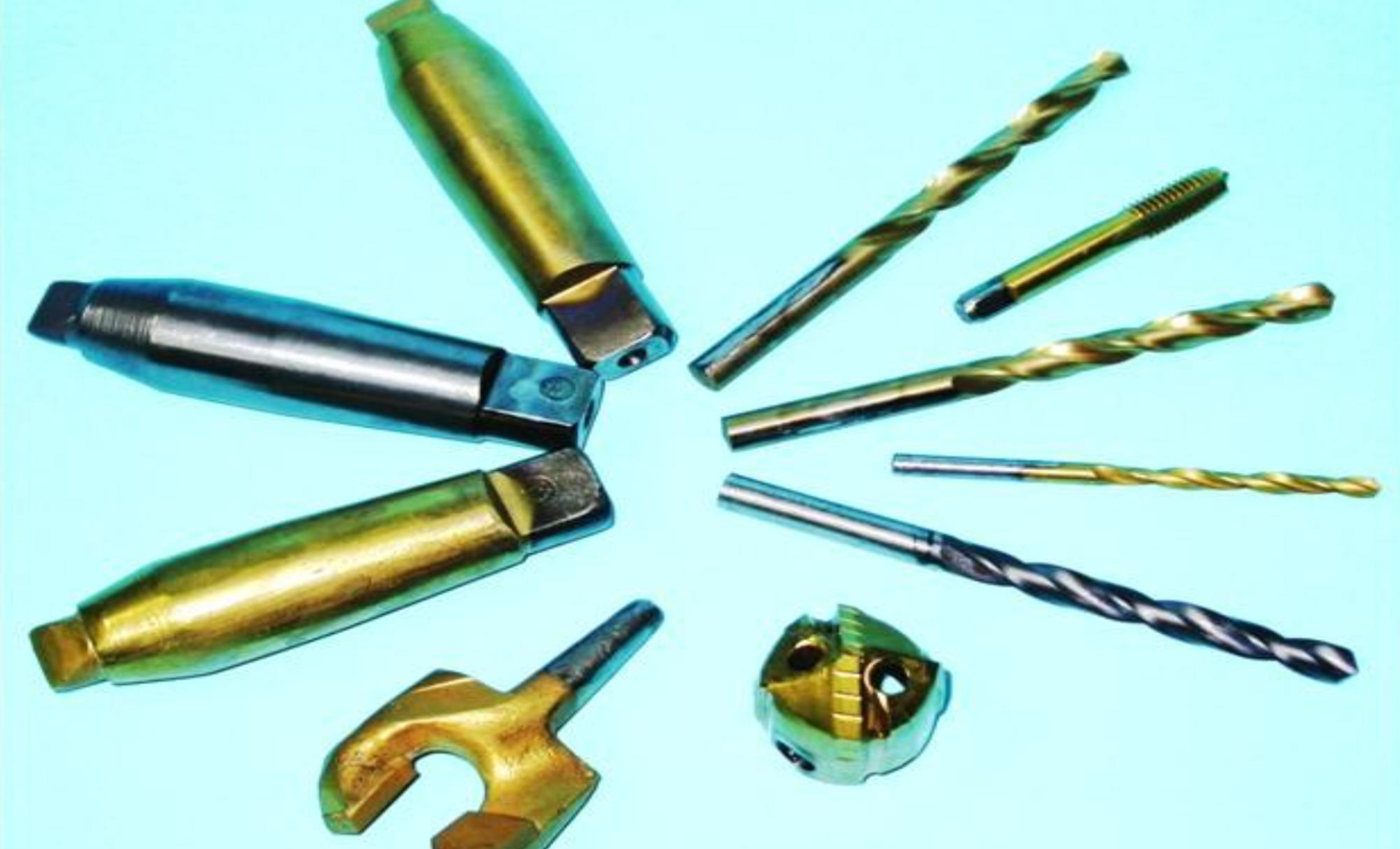
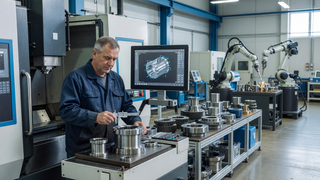
Drills, milling cutters, and cutting tools of roadheaders operate in extreme conditions – high speeds, friction, and aggressive environments quickly render them unusable. Traditional titanium nitride coatings can no longer cope with the loads of modern equipment. Perm scientists have found a way to make tool protection several times more effective.
During the experiments, specialists determined how gas pressure in the chamber and nitrogen content affect the quality of the finished coating. The best result was shown by sputtering with a low nitrogen content (10%) – such a coating contained a record amount of aluminum, had a microhardness of almost 24 GPa, and a low coefficient of friction. At the same time, the adhesion strength to the tool was maximal.
As Anna Kameneva, Professor of the Department of Innovative Technologies in Mechanical Engineering at PNRPU, explained, it took more than 70 Newtons of force to penetrate the coating to the base – this is equivalent to a load of 7 kg focused on the tip of a diamond needle. Under high load, the coating did not peel off, but only abraded. With an excess of nitrogen (40%), the compound, on the contrary, turned out to be brittle and cracked.
The cost of applying the new coating is slightly higher than traditional titanium nitride, but its characteristics allow the tool to last longer, require less frequent replacement, and work faster. For industrial enterprises, this means reducing tool costs and increasing production volumes. The technology is also promising for aircraft engine building and turbine building, where parts operate under extreme temperatures and loads.
Read more on the topic:
- Russia invents a way to extend the service life of metal-cutting tools
- Metal gets rust protection: Russia creates ultra-durable coating
- 1.2-26 Times More Resistant Than Traditional Alloys: New Super-Strong Material for Industry Created in the Far East
- A coating that extends the service life of parts and equipment by 10 times has been developed for Rostvertol, Tagmet, and Ural Steel
Never miss our newsAdd this site to your preferred sources to see us more oftenAdd on Google