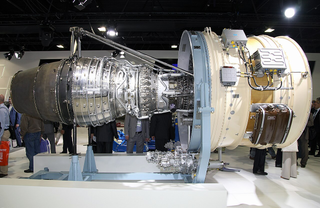
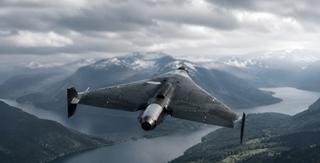
The highest mechanical loads in the turbine shaft of an aircraft engine do not occur along the entire length of the part, but in several specific areas. These are located at points of geometry change, fastening, and connection of parts. This was discovered by specialists from Perm National Research Polytechnic University (PNRPU), who simulated the shaft's operation under various flight conditions.
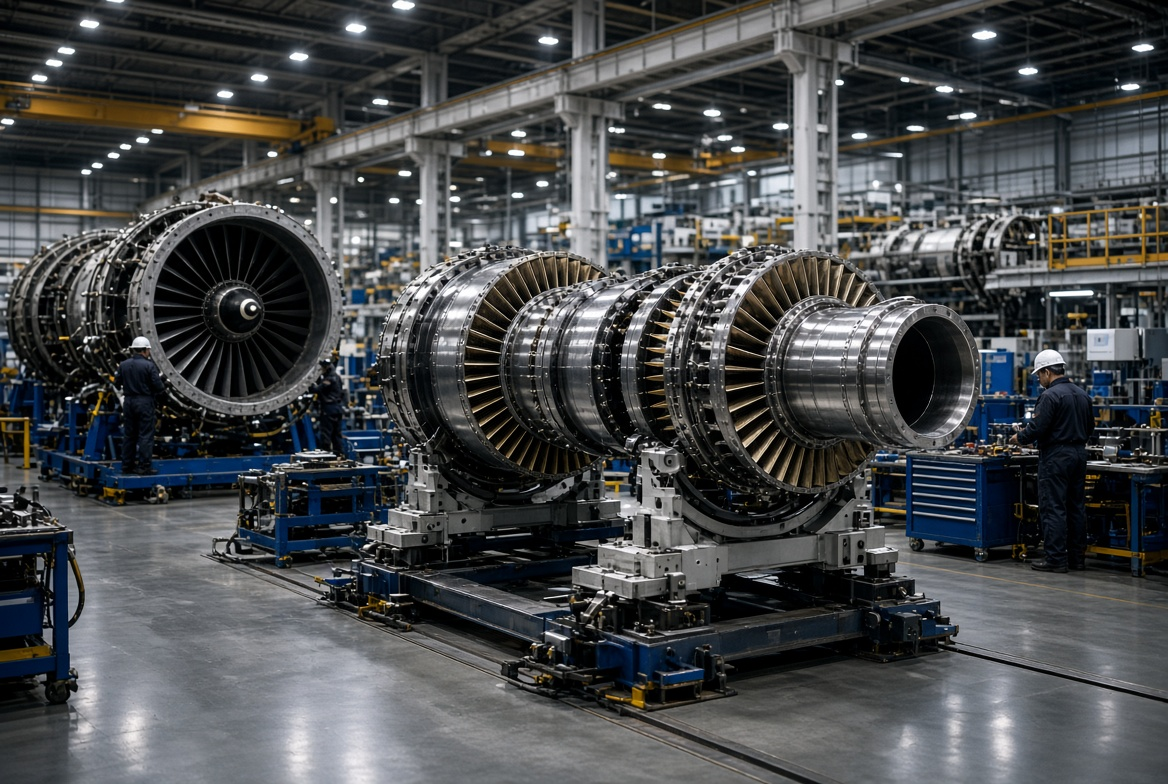
The scientists created a digital model of the shaft, taking into account its dimensions and shape, material characteristics, and methods of fastening individual elements. Then, the structure was tested in a virtual environment under conditions corresponding to takeoff, flight, and landing.
Calculations showed that stresses within the shaft are distributed unevenly. The most heavily loaded areas were the cross-sections at points of transition from one geometry to another, the connection of contacting parts, and fastening areas. It is there that local zones of stress concentration are formed, which are more difficult to detect with conventional analytical calculations.
The problem is related to the fact that during operation, the shaft simultaneously experiences several types of impact. It transmits torque, is subjected to tension, and acts under the influence of centrifugal forces. When the flight mode changes, additional loads arise in the fastening elements.
The scientists proposed using a comprehensive calculation that simultaneously takes into account all major loads.
For this, specialists suggest applying topological optimization — changing the shape of the part by removing excess material from the least loaded zones. As a result, the structure can be made both strong and lighter.
Read more on the topic:
Never miss our newsAdd this site to your preferred sources to see us more oftenAdd on Google