Specialists have begun analyzing key systems of the Russian and American segments of the International Space Station to assess their operability before the deorbiting procedure begins. According to Oleg Kononenko, head of the Yu. A. Gagarin Cosmonaut Training Center, the operation will require full equipment functionality and a clear distribution of functions between the parties.
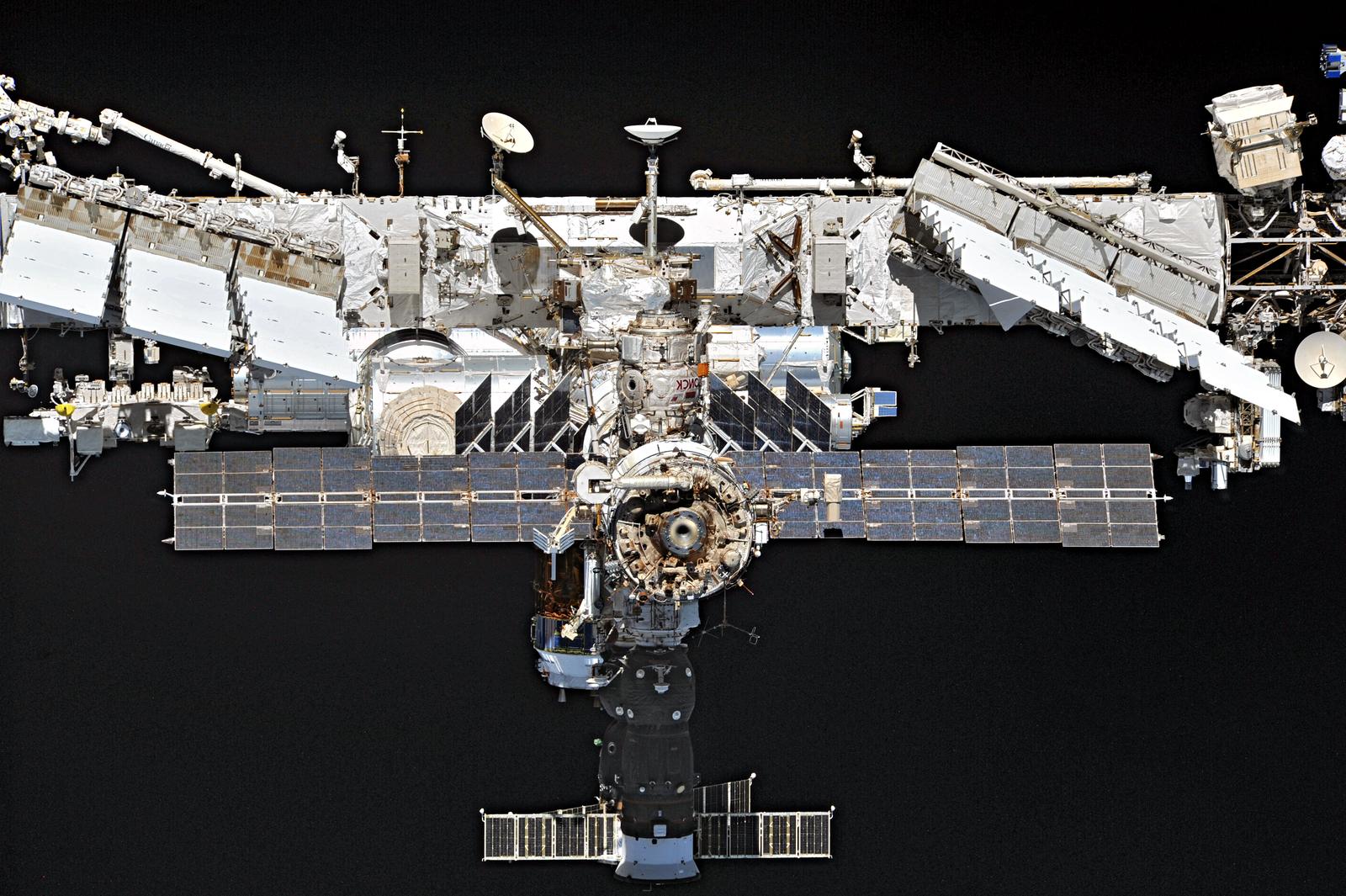
According to him, in October 2025, a protocol was signed between Roscosmos and NASA, establishing technical functions and areas of responsibility, and in February 2026, a protocol on the development of software and mathematical updates. This will allow the Russian segment to operate both according to the standard and backup scenarios. The joint working group is already calculating ground projections of debris fall trajectories, fuel costs, and a list of critical systems.
The decision to deorbit the station is part of a long-term plan, in which the ISS operation has been extended until 2030. Immediately after that, the deployment of the Russian Orbital Station will begin: in 2028, a new universal nodal module will be installed instead of the "Prichal" module, and in 2030, a cluster of three Russian modules will undock and continue autonomous flight. The formation of the national station is expected to be completed by 2034.
Russia and the United States have long been preparing for the completion of the ISS project. Back in July 2025, it became known that Roscosmos completed the development of the station's deorbiting program project — according to experts, the process itself will take about two and a half years. At the same time, Roscosmos Deputy Head Sergey Krikalev clarified that the ISS will not be scuttled in the Pacific Ocean before 2030: both sides will continue joint work until the very end. In early 2026, the parties began to agree on specific dates: Roscosmos head Dmitry Bakanov announced negotiations with NASA on the deorbiting schedule, which were to take into account the change in the American agency's leadership.
Read more on the topic:
Never miss our newsAdd this site to your preferred sources to see us more oftenAdd on Google