A neural network from Siberia has learned to recognize depression better than previous models. Russian scientists have developed a graphical model that allows for the joint analysis of neurophysiological and genetic data to classify depression.
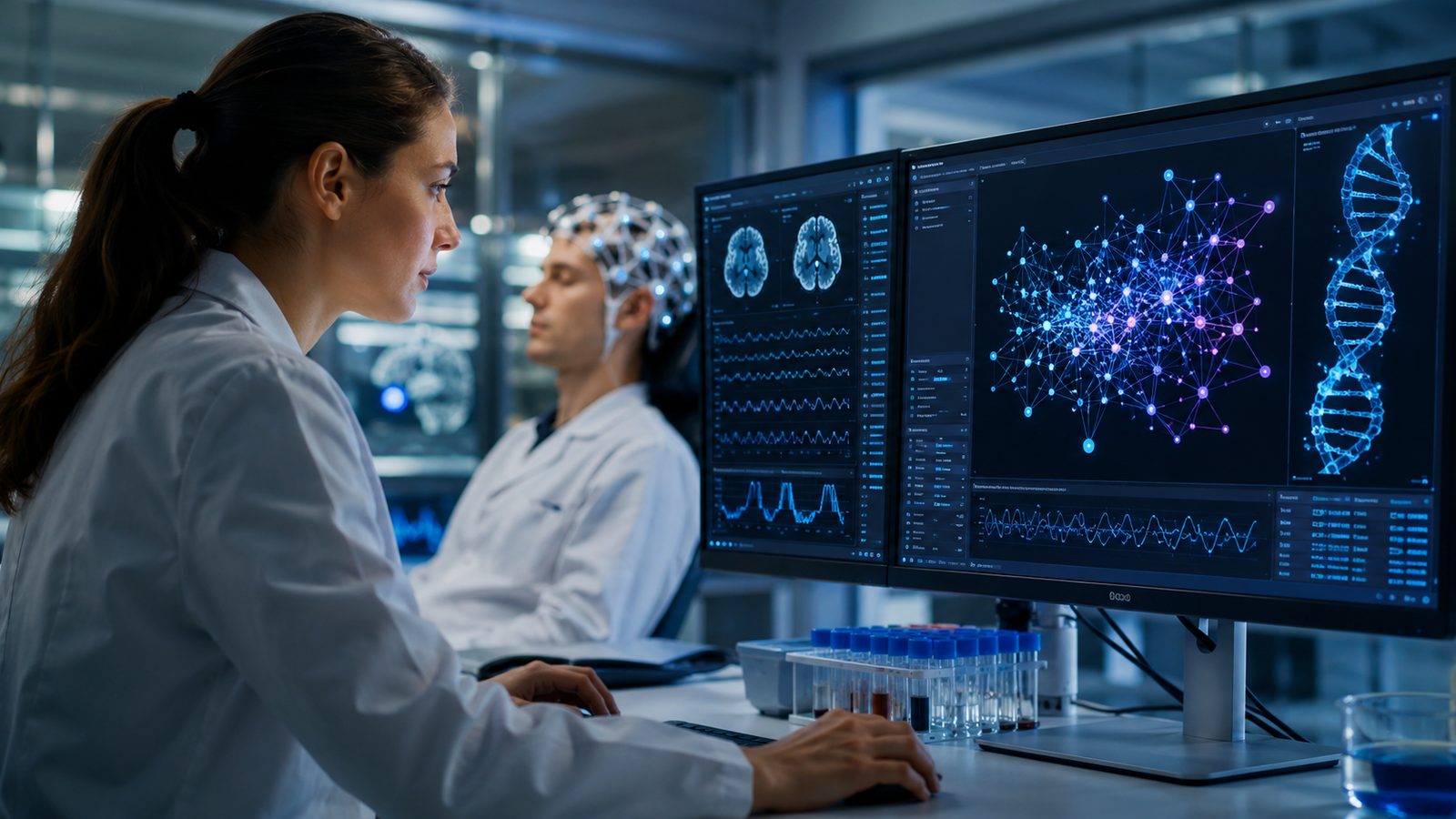
The new data processing method uses a graph system – a type of neural network. According to one of the developers, Alexander Savostyanov, a so-called training sample is fed into the system. The neural network is shown where a healthy person is and where a person with depression is, and their genotypes and EEG data are uploaded. This is how the machine learns to distinguish one from the other. Then, a test sample is created with only genotypes and EEG, and the neural network itself must guess who is sick and who is healthy.
Scientists managed to collect a large data set covering almost the entire territory of Siberia – from Altai Krai to Buryatia. More than 3,000 people were examined. Blood and buccal epithelium (cheek swab) samples were taken from some subjects, EEGs were recorded, and psychological surveys were conducted to establish psychological characteristics, including the severity of depression symptoms. For DNA isolated from blood and buccal epithelium, sequencing was performed at 164 loci, based on which genetic deviations from the so-called reference genome were determined for each person.
Why this is a breakthrough in the implementation of AI in the study of depression
The accuracy of the graph-based approach turned out to be significantly higher than that of the neural network architectures that scientists had tried to use before. While the accuracy of depression recognition was previously about 86%, it is now above 96%.
Moreover, the neural network produced fewer false-negative results than previously tested models. This is especially valuable in the context of screening for psychological diseases, where the cost of such errors can be high: it is much more dangerous not to detect depression in a person when it is present than to mistakenly diagnose it.
Specialists from Tomsk State University, the Research Institute of Neurosciences and Medicine (NIINM), the FIPS "Institute of Cytology and Genetics SB RAS" (FIPS ICG SB RAS), and Novosibirsk State University worked on the neural network.
Read more on the topic:
Never miss our newsAdd this site to your preferred sources to see us more oftenAdd on Google

















