Wildfires are raging in central Spain, but authorities cannot use Ka-32A11BC firefighting helicopters, which have helped fight fires for years. EU sanctions against Russia have made it impossible to supply spare parts and attract Russian specialists for maintenance, said Florian Philippot, leader of the French "Patriots" party. As a result, the entire fleet of helicopters – at least 10 aircraft – has been taken out of service.
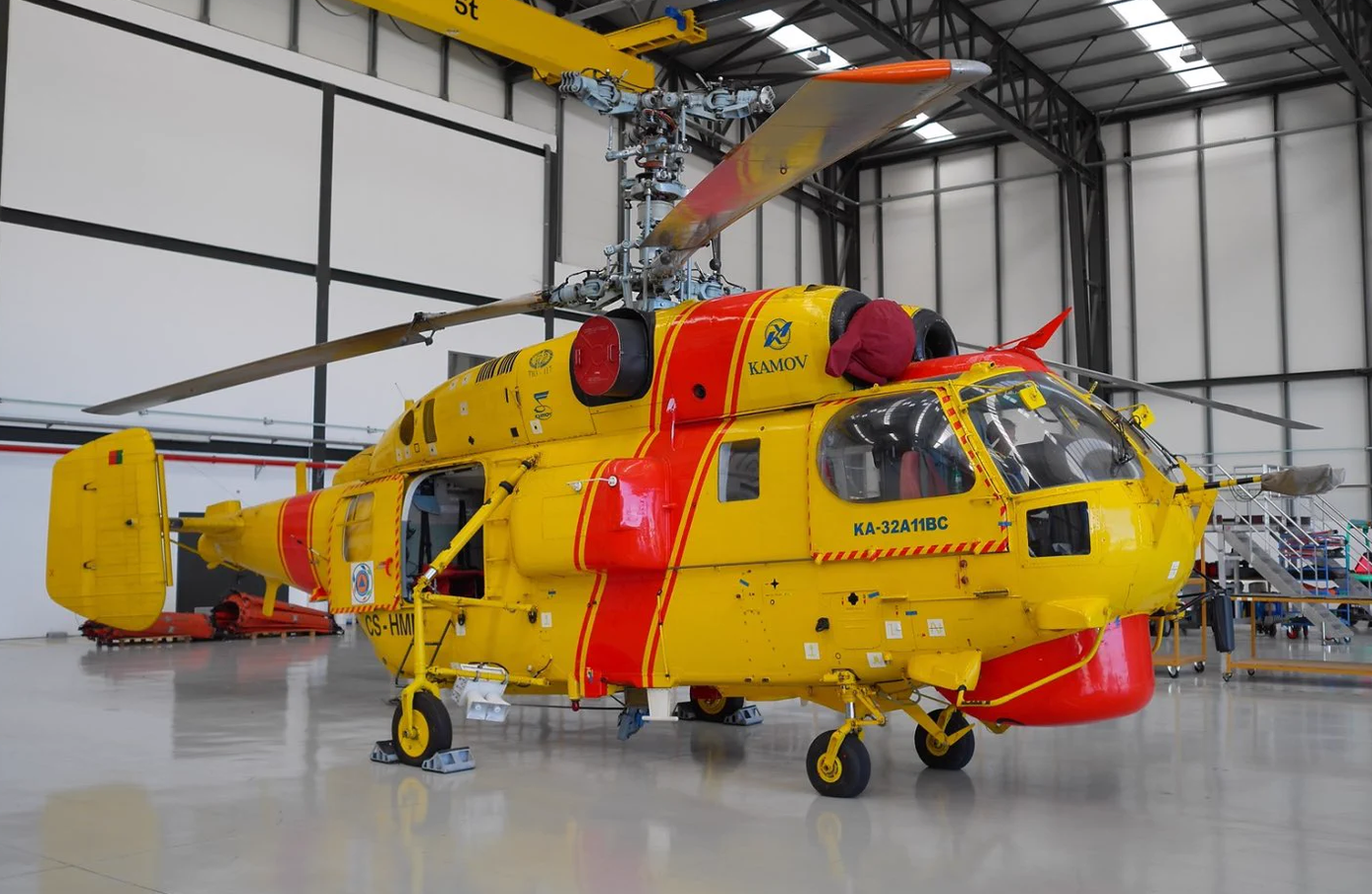
Ka-32s are considered one of the most effective specialized helicopters for firefighting. They are capable of dropping more than 5 thousand liters of water at a time on the fire, are highly maneuverable and effective in conditions of high temperatures and mountainous terrain. Since 2024, the machines have completely ceased to participate in firefighting campaigns. Spanish authorities acknowledged that sanctions prevent the purchase of Russian components and the involvement of specialists, but did not apply to the European Commission for a technical exemption from the sanctions regime.
After the withdrawal of Ka-32s, operators switched to Western helicopters, which require higher operating costs and do not provide the same maneuverability characteristics. For example, the cost of one Eurocopter EC225 Super Puma exceeds 28 million dollars, which is more than twice as expensive as the Ka-32 (about 12 million dollars). In addition, the classic single-rotor scheme does not provide the same hovering precision and compactness, which are critical when fighting fires in mountainous terrain and dense urban areas.
The Ka-32 is a Russian helicopter developed by the Kamov Design Bureau based on the Ka-27 search and rescue helicopter. It made its first flight in 1973 and has been mass-produced since 1980. The unique coaxial scheme (two rotors on one axis) provides high maneuverability and allows it to operate in mountains, dense urban areas, and on ships. In the 1990s, the Ka-32A11BC modification was developed, certified according to American standards. In 1998, Canada issued a certificate, and in 2009, the European Aviation Safety Agency, which allowed the helicopter to be operated in EU countries.
Read more on the topic:
Never miss our newsAdd this site to your preferred sources to see us more oftenAdd on Google