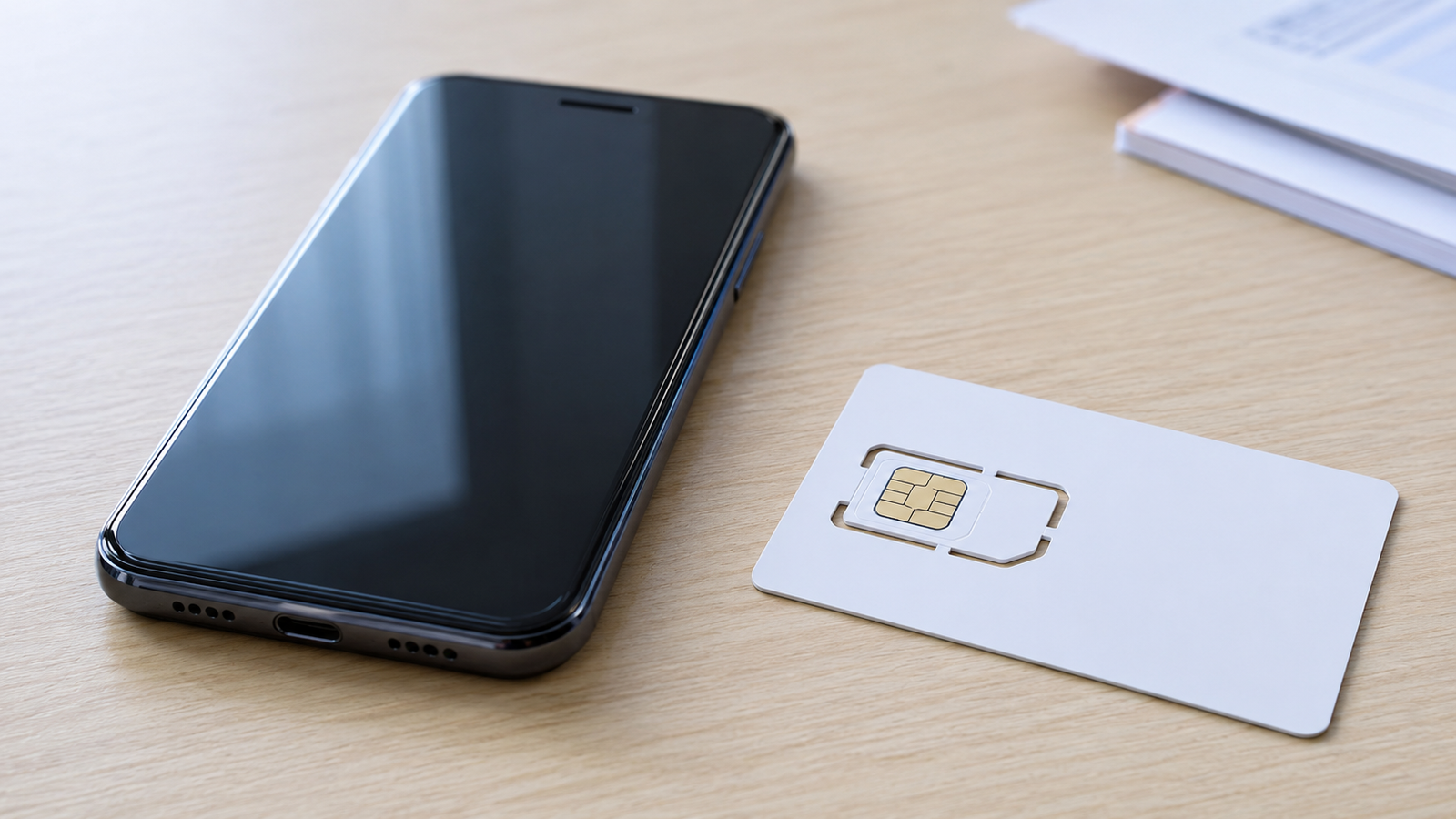
Russia intends to ban the sale of SIM cards with pre-paid balances. According to the "Antifraud 3.0" package of measures prepared by the Ministry of Digital Development, new SIM cards may only be sold with a zero balance. It will be possible to top up the account after concluding a contract with the operator. This measure should complicate the use of other people's and anonymous numbers in fraudulent schemes, as a digital trace of the real user will appear after payment.
It is proposed to amend the Law "On Communications", the Law "On Protection of Consumer Rights", and other regulatory acts. The draft amendments state that an operator will not be able to credit money to a personal account until a contract for the provision of communication services is concluded.
Currently, SIM cards with a starting balance can be found on marketplaces and other platforms — for example, you can buy a card for 66 rubles that already has 200 rubles on it. Experts warn that such numbers can be used by malicious actors: to obtain a card, use it for deception, and then quickly dispose of it.
After the introduction of the new rules, the user will first have to register the number and top up the account independently. This will allow retaining payment information and simplifying the search for the number owner. As experts explained, if money is deposited through a terminal or communication salon, surveillance camera data may also be used, and payment analysis will help identify suspicious transactions. For example, if a SIM card is registered in one region, and money was deposited to it almost immediately from another, this could be a reason for additional verification.
The Ministry of Digital Development confirmed that they are discussing the sale of SIM cards with a zero balance and a ban on the sale of pre-activated numbers. At the same time, the department emphasized that the final version of the package has not yet been formed. In addition to changing the rules for selling SIM cards, the document also considers other measures: mandatory indication of the sender's data in SMS mailings, the ability to block "silent" mass calls, and the obligation for website and application owners to store user registration and authorization data for three years.
Read more on the topic:
Never miss our newsAdd this site to your preferred sources to see us more oftenAdd on Google