Translated with AI from the Russian original.
South Ural State University has developed a neural network system that can predict traffic jams at intersections in advance. It connects to ordinary street surveillance cameras, analyzes real-time traffic flow, and predicts where congestion may occur.
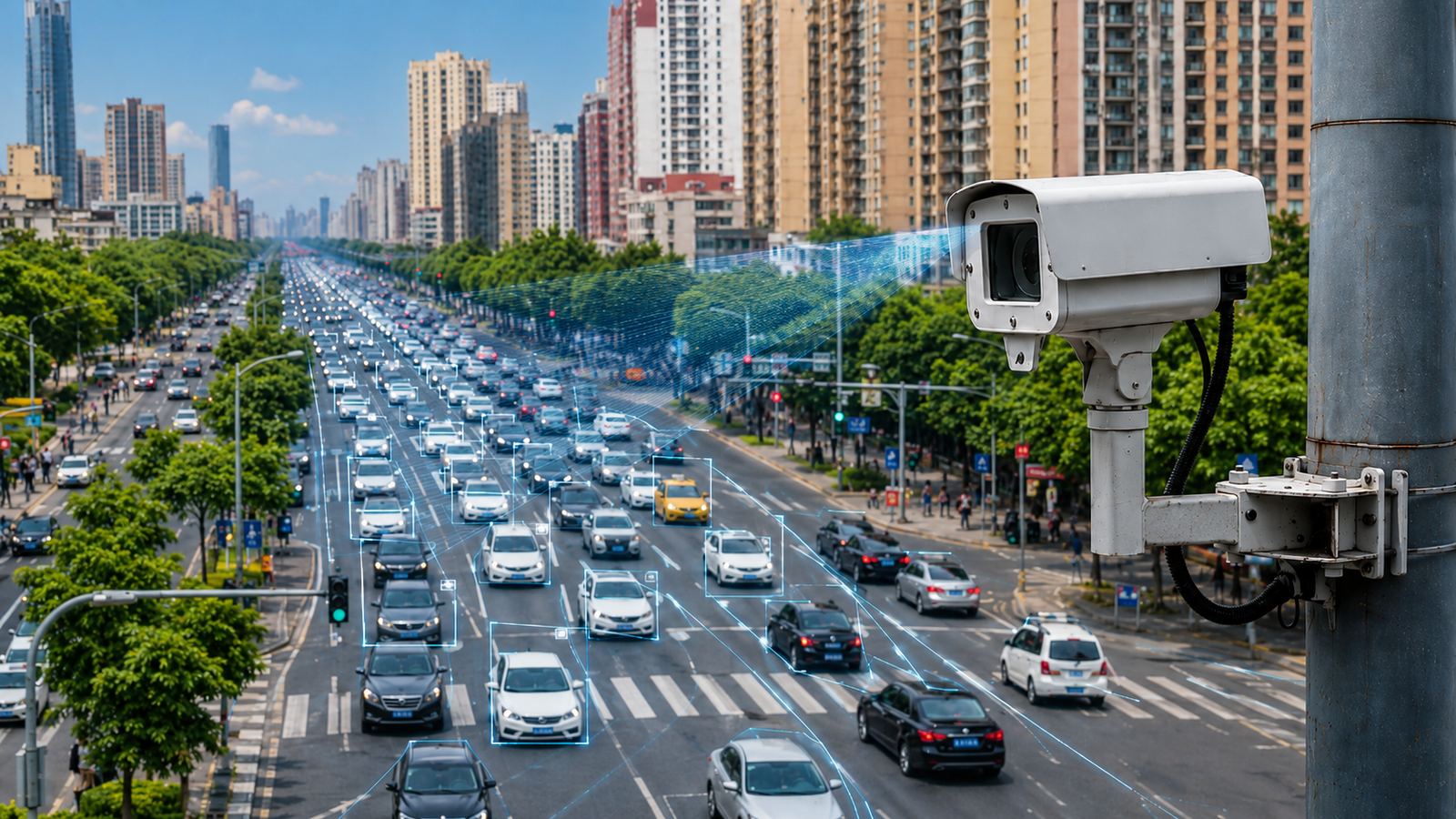
The development was created by SUSU scientist Rukhshona Juraeva. According to her, cameras at intersections in Russian cities are usually used mainly for recording violations. The new system expands their capabilities: it does not just record video, but analyzes traffic movement from different angles and throughout the entire flow.
The main difference of the development from its counterparts is that it can be integrated with any cameras already installed at intersections. According to Juraeva, the system can be used in any Russian city.
The neural network can not only predict traffic jams, but also count traffic and classify vehicles. This is important for city authorities: for example, if the data shows that heavy traffic is mainly created by private cars, a decision can be made to actively develop public transport.
The system is installed on the operator's computer, who monitors the video stream from surveillance cameras. The first component processes the video, counts cars, and distributes them into five classes. The second analyzes this data taking into account the time of day and calendar. The third combines the results and builds a forecast of the traffic situation.
SUSU explained that interested services receive visual statistics and forecasts in real time. After that, traffic light phases can be adjusted or traffic flows redistributed.
The neural network has already been tested on video data from surveillance cameras in Dushanbe. The system was able to classify transport into five categories, including trucks and buses. A patent has been obtained for the development, and it is ready for implementation in Russia.
Read more on the topic:
Never miss our newsAdd this site to your preferred sources to see us more oftenAdd on Google

















