Russian mobile fire groups have received a tool for coordinating actions in repelling drone attacks – an autonomous tactical network that operates without the internet and an external command center. The development was presented by the company "Ten", which produces UAV detectors.
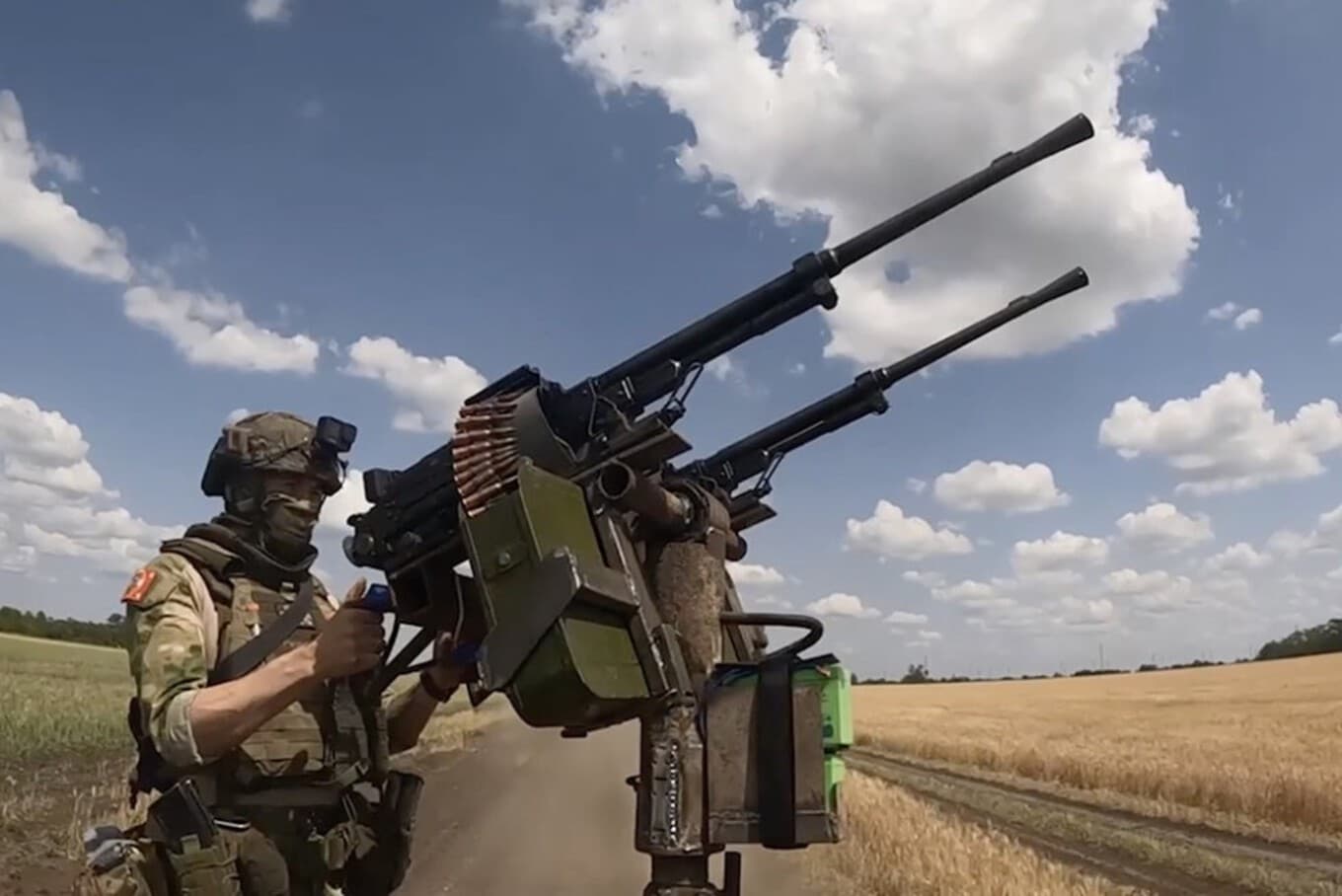
The system collects and analyzes data from portable detectors, neighboring crews, ground infrastructure, and satellite channels. Based on this information, operators see the coordinates, altitude, and flight direction of enemy drones in real time.
Previously, data was transmitted via radio, which created delays: a group could shoot down a target, and neighboring crews would only find out about it after the fact.
The key advantage of the solution is its decentralized architecture. Network nodes exchange data directly, without being tied to a central server or internet channel. In case of temporary loss of connection, each pickup continues to operate autonomously, and after restoring the channel, synchronizes data with the network.
An AI module is integrated into the system, which predicts drone flight trajectories and helps to take positions for interception in advance.
The development has already passed field tests in conditions of real drone attacks. Currently, the company is negotiating with law enforcement agencies about supplying the system to equip mobile fire groups.
Read more on the topic:
- Anti-drone turrets with ammunition of up to 3,000 rounds created in Russia
- The ZU-23-2, developed in the USSR, did not fail: mobile fire groups fired at mock enemy UAVs at a training ground in the Leningrad Military District
- Mobile fire groups covered the Tornado-S MLRS from the UAV of a mock enemy during exercises of the Moscow Military District
Never miss our newsAdd this site to your preferred sources to see us more oftenAdd on Google

















