When a tooth is more than a third destroyed, doctors can install an anchor pin. But such structures do not always work perfectly. The load is distributed unevenly, which sometimes causes complications, and the tooth itself lasts less. This problem was solved by scientists from Penza State University (PSU).
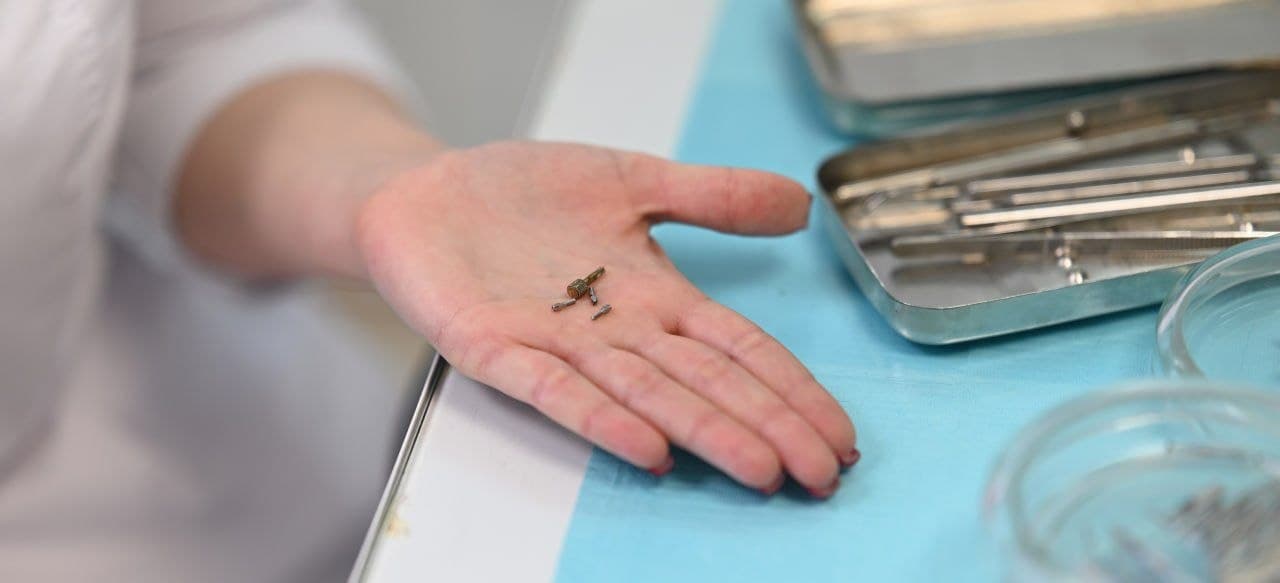
PSU specialists have patented a modernized anchor pin design that allows restoring severely damaged teeth in cases where traditional implantation is contraindicated.
The development appeared at the Department of Maxillofacial Surgery. Scientists have changed the design of the product itself. An additional platform was added to the standard pin, and now it is not just a screw with a thread, but a solid structure made of medical steel.
The new design increases the support surface, prevents filling shrinkage, and protects the weakened tooth wall.
According to scientists, the new design provides several practical effects at once. The cost of treatment can be reduced by one and a half to two times, the procedure itself takes up to one and a half hours, and the service life of the restored tooth is increased up to 10 years.
The development is considered relevant for patients who cannot have implants installed. This includes, for example, people with chronic diseases, including diabetes mellitus, as well as cases where there is insufficient alveolar bone volume.
The effectiveness of the design has already been tested using computer modeling methods. The next stage is the introduction of the technology into clinical practice.
Read more on the topic:
Never miss our newsAdd this site to your preferred sources to see us more oftenAdd on Google



![Growth Point: After 5G Launch, Mobile Internet in Russia Accelerated by 20%","subtitle":"TelecomDaily recorded an upload speed increase of 19.7%, and download speed of almost 14%","announce":""}[]}],](https://media.ixbt.site/fit-in/320x/ixbt-data/1727896/ai-image-nvgq0a0v5cjnyxwoc8xpelva.webp)