The "Molniya-2" strike drone, invulnerable to electronic warfare (EW) systems, has received high praise on the battlefield. A serviceman with the call sign Pechorin spoke about its undeniable qualities.
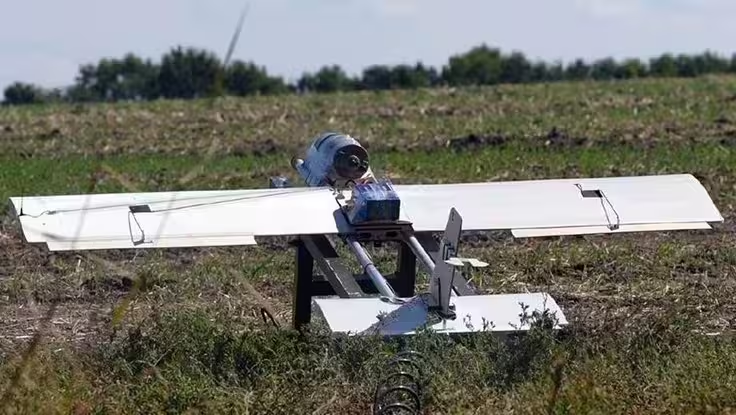
The fighter noted that the kamikaze drone is very easy to use and has good aerodynamics.
"Molniya" is the best strike UAV that exists at the moment. Good aerodynamics, good payload, ease of use. "Molniya" is ideal for accurately hitting targets at a distance of up to 50 km.
The Ministry of Defense added that the aircraft structure of "Molniya" allows it to develop a higher speed compared to a conventional FPV drone.
The competent design of the drone allows the military to assemble it in just 10 minutes and launch it into the sky.
In addition, "Molniya" has begun to installStarlink terminals for uninterrupted communication with the crew throughout the route. It should be noted that photos of the drone with this communication complex have appeared on the Web, but such official equipment of "Molniya" has not been confirmed.
Nine out of ten drones successfully reach the target, the percentage of hits is over 90%.
Read more materials on the topic:
Now on home

No Casualties Reported, Traffic Suspended on the Section

Attempts to create such a light source have lasted for decades


Only 40 units of this all-wheel drive vehicle were produced in the 1990s
Update 12.4 also added "crafting" gifts and a new interface for Android
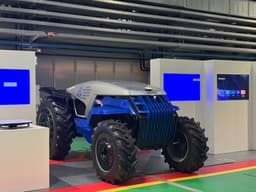
Navigation with accuracy up to 10 cm and computer vision ensure autonomous operation in the fields

The first court hearing is scheduled for February 18, 2026

The brand symbol has become stricter by removing the lower element
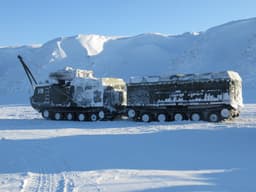
The equipment was tested for buoyancy, frost resistance, and reliability in extreme conditions

Switching from silicon to germanium increases the efficiency of solar panels