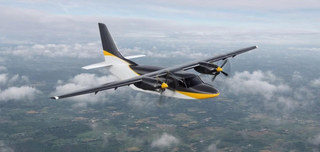
The Comprehensive Program for the Development of the Aviation Industry (CPDA) until 2030 in Russia will be revised after the certification of the new aircraft SJ-100, MS-21-300 and Il-114-300. This was announced by First Deputy Prime Minister of the Russian Federation Denis Manturov.
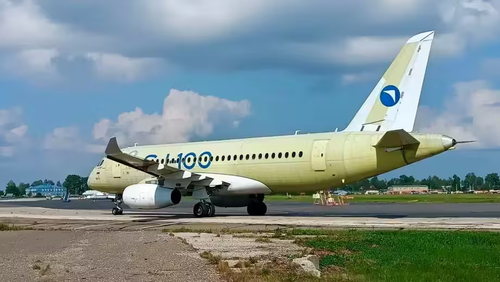
The comprehensive program for civil aviation, which regulates the supply of aircraft, will be updated. But only after our newest civilian aircraft receive type certificates.
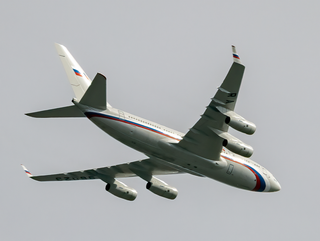
As a reminder, the current version of the CPDA provides for the supply of 990 aircraft for the needs of civil aviation, of which 142 units are SSJ New, 270 units are MS-21-310, 51 units are Il-114-300, 113 units are Tu-214, 12 units are Il-96-300, 105 units are TVRS-44 "Ladoga", 158 units are "Os" (LMS-192) and 139 units are "Baikal" (LMS-901).
The founder of the flight safety and certification service RunAvia, Andrey Patrakov, stated to "Perviy Technicheskiy" that the plans enshrined in the CPDA are impossible to implement. He called the situation logical — over the past 20 years, Russia has destroyed supply chains, lost competencies, and critically reduced the volume of its own production of components.
Read more materials on the topic:
- UAC will take under its wing the projects of the manufacturer of LMS-901 "Baikal"
- ODK proposed a new way to build aircraft engines cheaper and faster
- Russian aircraft engines will have their tests reduced to once under a new approach
Never miss our newsAdd this site to your preferred sources to see us more oftenAdd on Google