Translated with AI from the Russian original.
Fraudsters have started sending fake "New Year's cards" to Russians in messengers, which actually contain malware capable of stealing data. This was reported by a member of the State Duma Committee on Information Policy, federal coordinator of the "Digital Russia" project, Anton Nemkin.
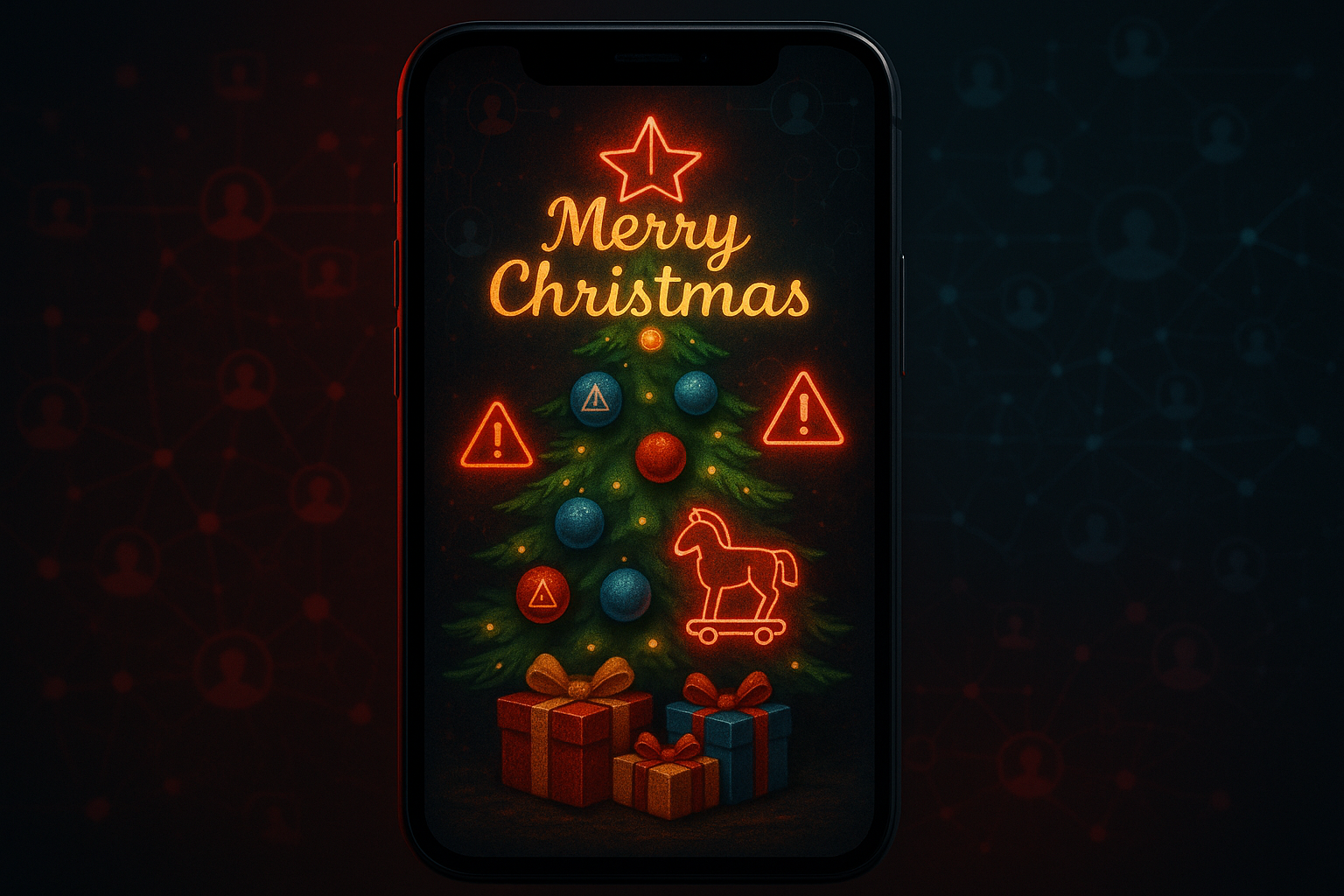
The danger of such "cards" is that the files are disguised as images, animations, or videos, but when opened, they install hidden access to the device or intercept correspondence. Attackers can gain access to banking application data, passwords, and personal information, creating a risk of serious financial losses.
To increase the credibility of messages, fraudsters use neural networks to generate festive images, fake avatars, and copy accounts of acquaintances. Such greetings become almost indistinguishable from real ones, which increases the likelihood of a successful attack.
Experts advise not to open files and links from unknown senders, even if they are designed as "greetings" or "gifts." If the message comes from an acquaintance but looks suspicious or offers to download an archive, you should check with the sender.
It is important to use antivirus software and up-to-date system updates, and to be careful when working with digital messages, especially during the holiday season.
Read more materials:
- Fraudsters have started sending fake tax notifications to Russians
- The number of wireless NFC attacks on Android in Russia has increased by 50%
- Complex password instead of Face ID: The Ministry of Internal Affairs warns about the risks to your wallet
Never miss our newsAdd this site to your preferred sources to see us more oftenAdd on Google

















