A program for automated analysis of the musculoskeletal system of athletes has been developed at St. Petersburg Electrotechnical University LETI.
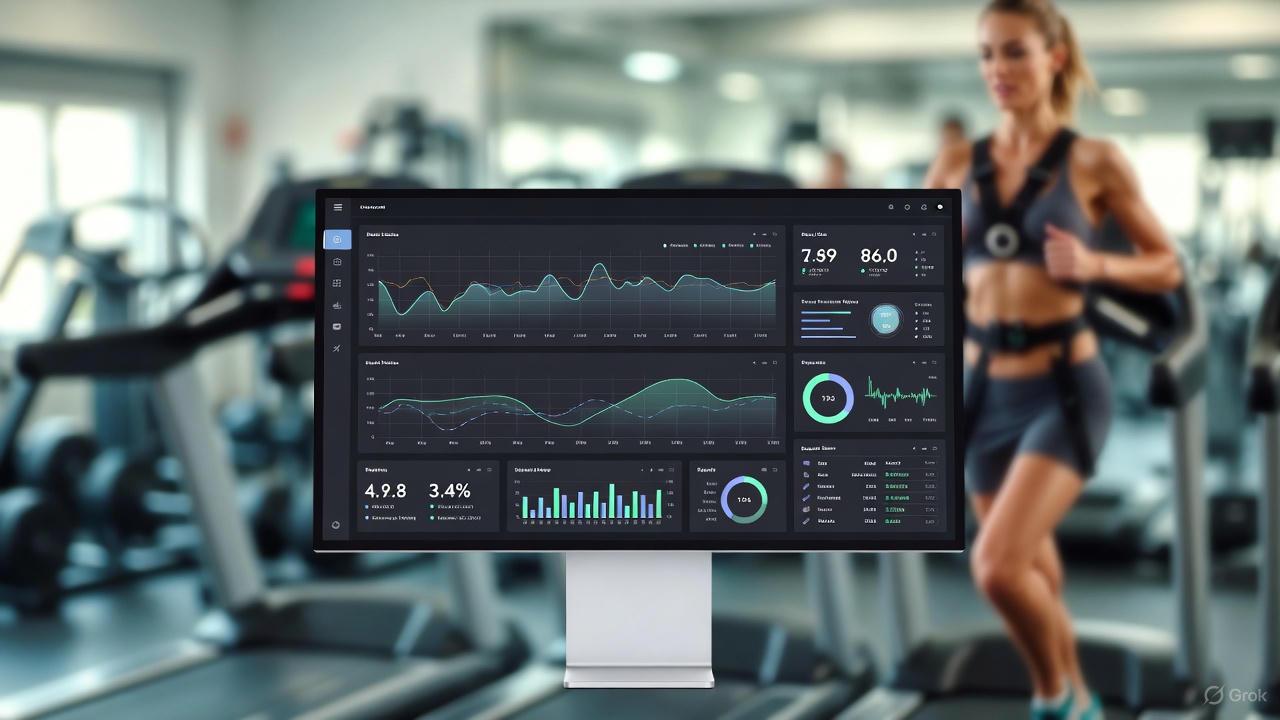
The solution is based on biomechanical modeling. It uses data from marker video recording to compile reports on the functioning of the musculoskeletal system, identifying asymmetries and risks of injury.
According to Olesya Maltseva, Assistant at the Department of LINS LETI, the main goal was to create a so-called translator between the digital portrait of an athlete and their coach or physical therapy doctor.
Unlike traditional methods, such as the Apley test or direct measurement of muscle length, which show inaccurate data, the new development provides more visual visualization and ready-made calculations. The coach can immediately see how the length of the rectus femoris muscle changes, and also assess the symmetry or asymmetry in the work of the limbs.
The LETI program provides measurement of key biomechanical parameters. The process of its operation includes marker video recording and creation of a digital portrait of the athlete. The program superimposes the muscular system onto the created skeletal model, builds graphs, and calculates the parameters of muscle lengths, forming a structured report.
The development is currently undergoing state registration as a computer program and has the potential for scaling.
Read more materials on the topic:
- Ministry of Education introduces phygital sports into physical education lessons
- Program for calculating thermoregulation for astronauts developed at NSTU
- Personal robot trainer for runners created by DSTU engineers
Never miss our newsAdd this site to your preferred sources to see us more oftenAdd on Google

















