In the small town of Białośliwie, located in northern Poland, a rare specimen of the Soviet automotive industry is being sold - the GAZ-24 "Volga". In its time, this car was considered a symbol of status, reliability and engineering culture of the USSR, and now it is a genuine museum on wheels. The main feature of the car is its almost zero mileage: only 75 kilometers since its first registration in March 1983. This is an indicator more typical of a new car than a rarity.
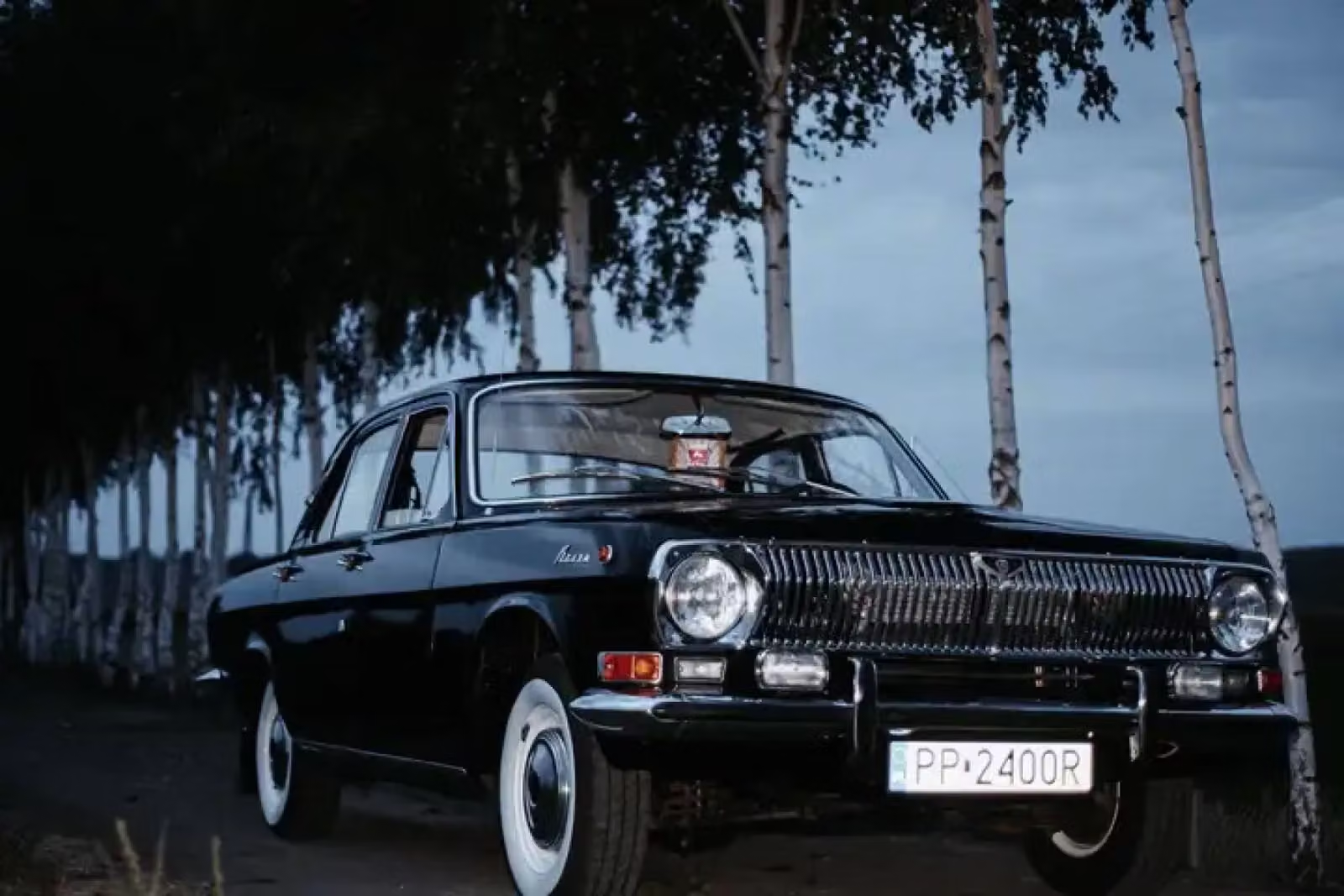
According to the owner, the "Volga" has undergone a complete disassembly and professional restoration of all components, followed by assembly in its original configuration. The car fully complies with the technical standards of the GAZ plant and is ready for daily use.
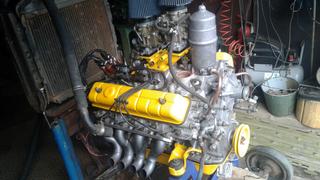
The car is painted in classic black, and the interior is trimmed in red fabric - a traditional combination for the GAZ-24. Under the hood is an original gasoline engine with a capacity of 102 horsepower, connected to a manual transmission and rear-wheel drive. After restoration, the engine runs stably, which makes the "Volga" suitable for long trips.
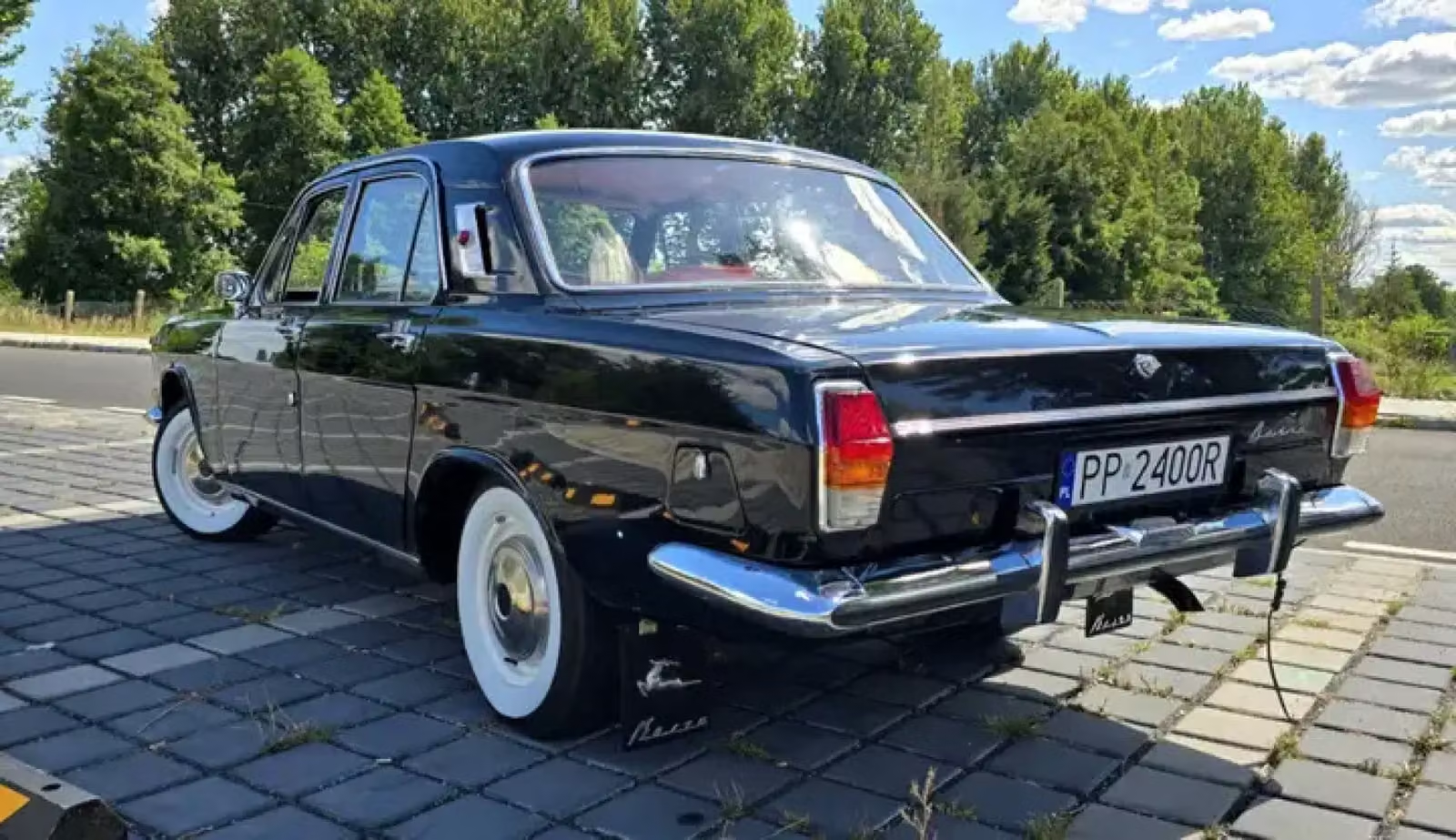
The seller emphasizes the legal transparency of the transaction. All documents are available, including a valid OSAGO policy and a recent technical inspection. The new owner will be able to immediately register the car and use it to participate in exhibitions, retro parades or simply for trips on the roads of the Eurozone.
The cost of the "Volga" is 22,000 euros, which at the current exchange rate is approximately 2.13 million rubles. Although the amount may seem high for a Soviet car, it is justified in the global market for retro cars - similar specimens in Russia cost from 2 to 3 million rubles, especially with minimal mileage and preserved originality.
Read more materials on the topic:
- AvtoVAZ has returned side airbags to the updated version of the Lada Niva Legend SUV
- The share of the crossover segment in the new car market in Russia has set a record
- Car parts will rise in price again: what car owners should expect in 2026
Never miss our newsAdd this site to your preferred sources to see us more oftenAdd on Google