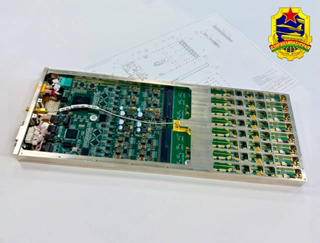
At the S. M. Budyonny Military Academy of Communications (St. Petersburg), a method was proposed to maintain control of an unmanned aerial vehicle (UAV) in the event of unintentional and intentional interference.
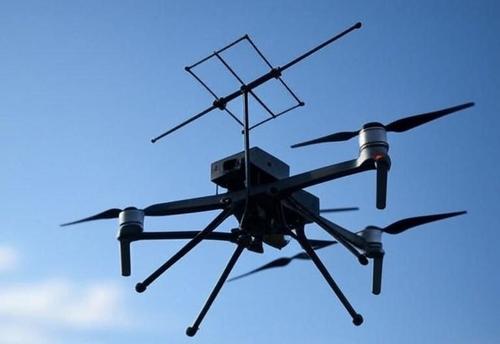
Image source: Grok
An adaptive antenna array is installed on the UAV. A significant increase in the noise immunity of the UAV control channel is ensured.
The developers noted that when interference occurs, the elements of the antenna array, placed in a certain way, allow you to quickly adapt the control channel to changing conditions.
The proposed method additionally provides an energy gain, as well as a reduction in the radiation power of radio transmitting devices and the downtime of the communication channel.
The new method has already been patented. Now it is being tested in the field.
Earlierwww1.ru reported that the laser system for countering UAVs "Posokh" will beimproved.
Read materials on the topic:
- A new FPV air defense drone was developed for the Russian army by specialists from the Drone Force company
- "Geran" will seem like a flower: Gerber kamikaze drones received an optical guidance system for the first time
- "Wall of Drones": CNN expert suggests a way to protect against Russian "Geraniums" and "Gerbers"
Never miss our newsAdd this site to your preferred sources to see us more oftenAdd on Google