Scientists from the Siberian Federal University (SibFU) have developed an advanced mathematical model and algorithms that significantly improve energy management in urban transport. This was announced by Oleslav Antamoshkin, Head of the Department of Software Engineering at the Siberian Federal University.
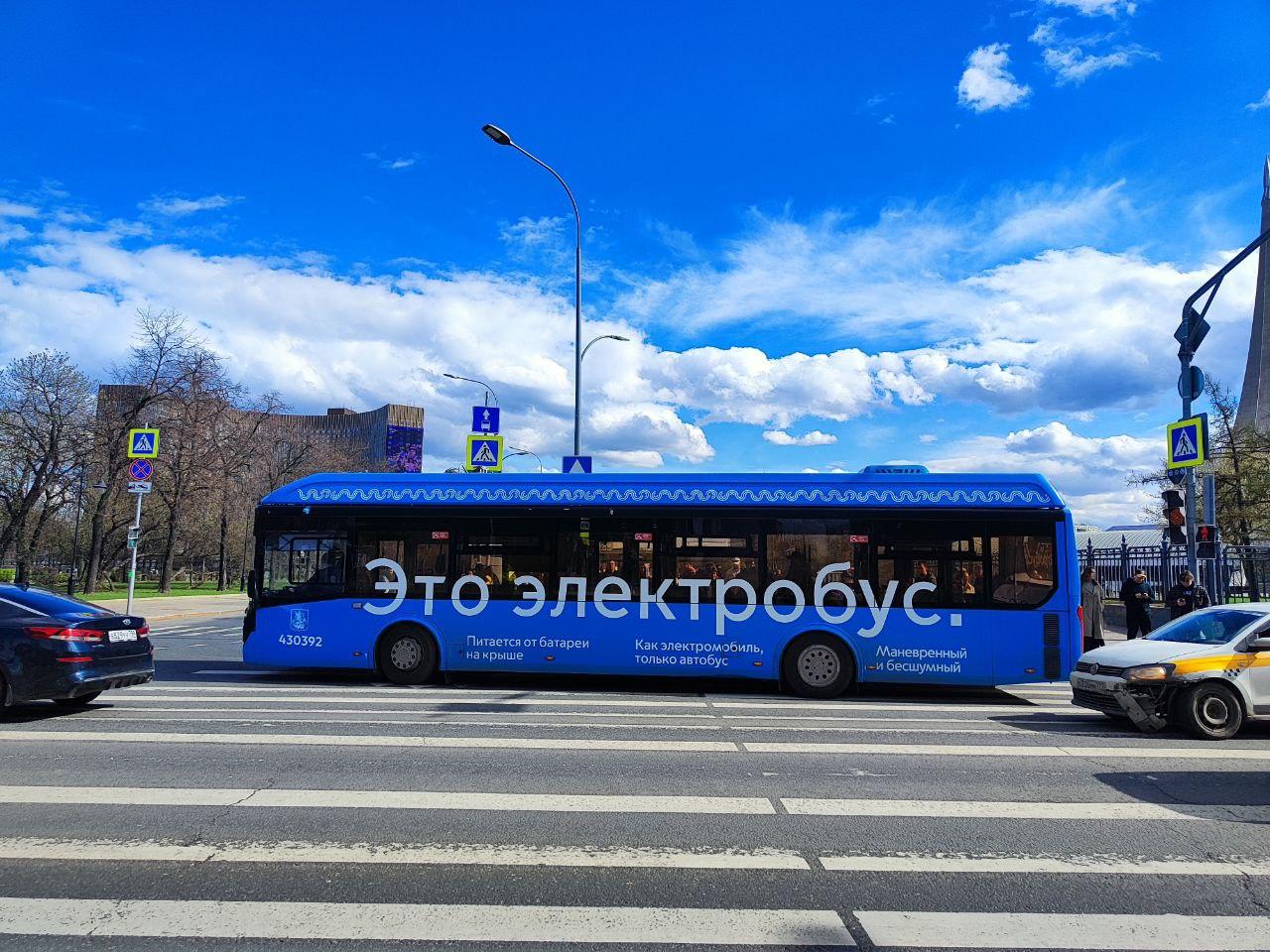
The algorithm we developed allows efficient management of energy flows during regenerative braking of electric transport. By using energy storage devices (supercapacitors), up to 30% of the electricity that is usually lost during braking can be returned to the grid. This makes the system more energy-efficient and reduces the load on traction substations.
The scientist explained that existing projects for energy management in electric transport systems require significant costs for infrastructure modernization or are less efficient. The advantage of the Russian development is high energy efficiency and the ability to integrate into existing networks without the need for major reconstruction.
The created algorithm can be implemented not only as software, but also as an embedded solution - "on a chip." In other words, control modules can be installed directly on trams, trolleybuses, or electric buses. The system will be compact, autonomous, and ready for mass production.
Read more on the topic:
Zero Transport Tax on Electric Vehicles Extended in Moscow
Never miss our newsAdd this site to your preferred sources to see us more oftenAdd on Google