Cloud provider "Astra Obako" and "Baikal Electronics" have launched a dedicated server rental service based on Russian Baikal-S processors. The service is designed for enterprises, government organizations and corporate clients working with mission-critical tasks.
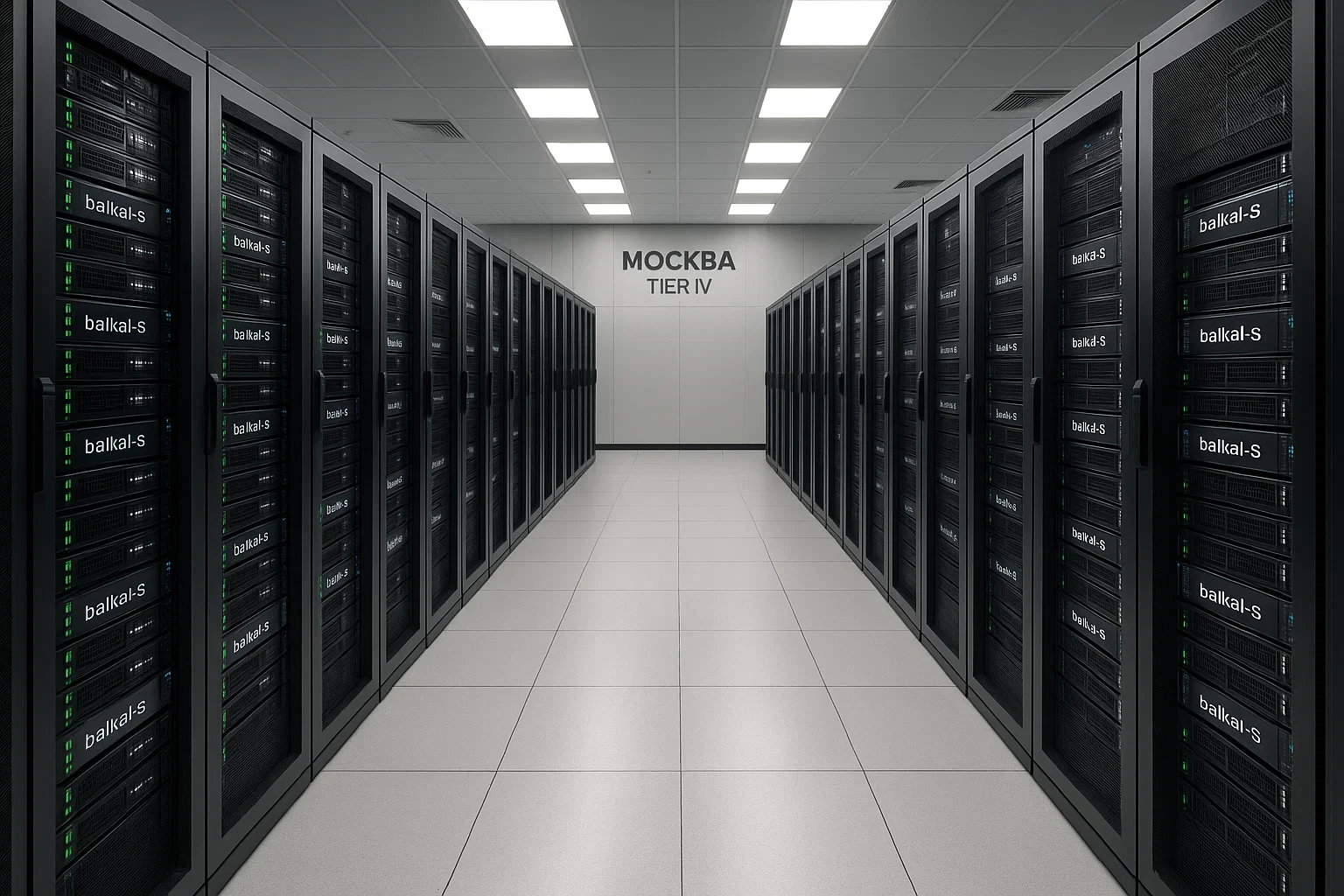
The service allows you to rent servers that are fully assigned to the client, which ensures stable performance and a high level of data security. Users can customize systems to their needs, deploy private clouds, and create fault-tolerant clusters for working with confidential information. The servers are located in a Moscow data center of TIER IV level, which guarantees round-the-clock availability and reliability of the infrastructure. The service eliminates the need to purchase and maintain equipment, while maintaining the advantages of dedicated servers. Baikal-S processors meet the requirements for critical information infrastructure facilities and support Russian software, ensuring independence from foreign technologies.
The launch of dedicated server rental on Baikal-S processors is an important step in the development of the domestic IT sphere. We give businesses and government agencies access to a reliable, predictable and secure platform for building private clouds and working with critical workloads.
The launch of the service became part of the development of the Russian IT infrastructure. According to representatives of Astra Group and Baikal Electronics, the solution is focused on companies that value performance and security.
Read more materials on the topic:
Technology of uninterrupted video transmission with poor Internet created in Russia
New servers from Multilect company shown at CIPR-2025
Never miss our newsAdd this site to your preferred sources to see us more oftenAdd on Google