Russian scientists are developing prostheses using augmented reality technologies and biocompatible microelectrodes. This was announced by the head of the Federal Medical-Biological Agency (FMBA), Veronika Skvortsova, at the EEF-2025.
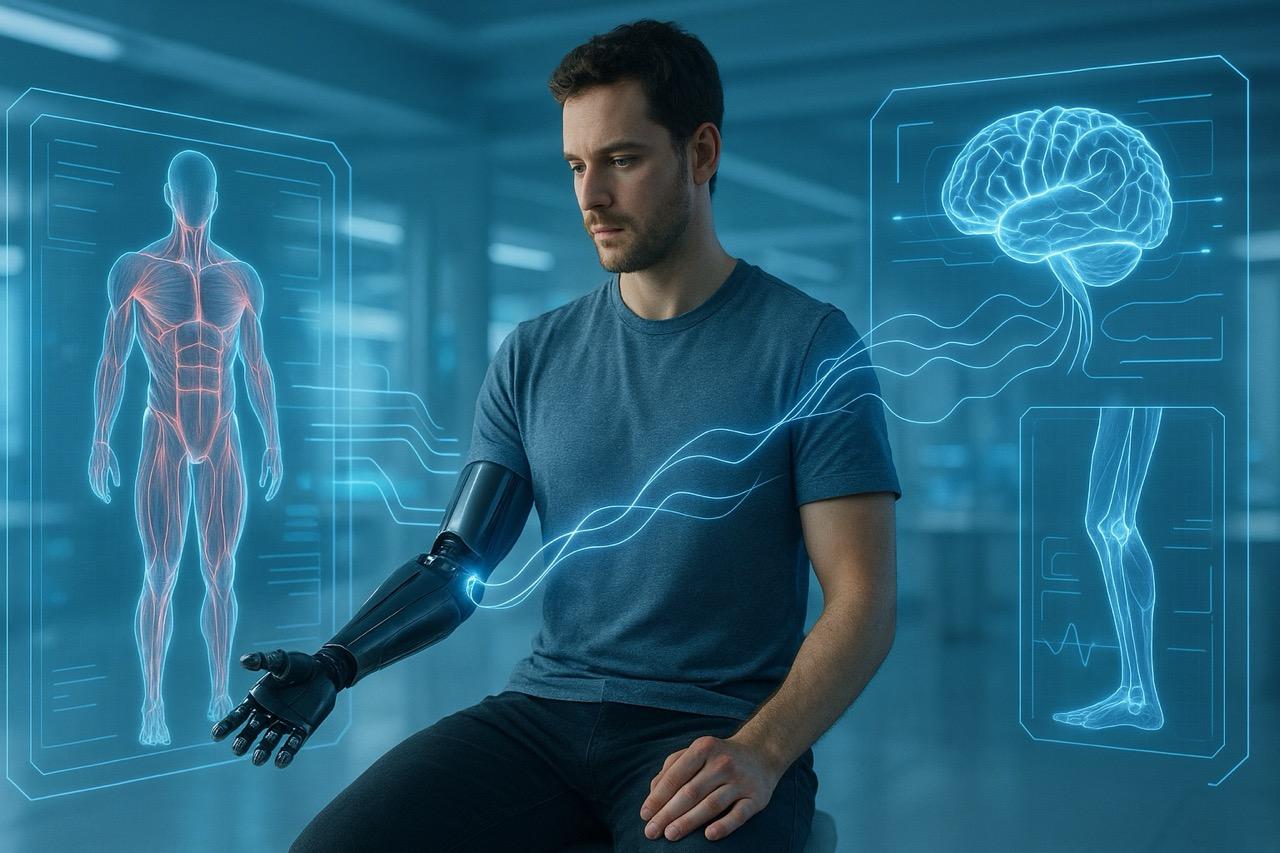
The first direction of development is related to the creation of microelectrodes that can be implanted into the endings of sensitive and motor peripheral nerves. This allows eliminating phantom pain and normalizing the conduction of nerve impulses.
The second direction uses virtual and augmented reality. Patients with limb remnants train in a virtual environment, correctly tensing various muscle groups. Thanks to this, after putting on the prosthesis, it is easier for them to perform familiar movements. Skvortsova emphasized that this approach increases the convenience and efficiency of using prostheses.
Read materials on the topic:
"Life without barriers": "Ortokosmos" showed modern prostheses at the exhibition "Hope for Technology"
From titanium to carbon composites: JSC CITO (Rostec) presented innovative prostheses for arms and legs for extreme loads
Metiz is improving bionic prostheses, offering users personalization and reliability
Never miss our newsAdd this site to your preferred sources to see us more oftenAdd on Google

















