Translated with AI from the Russian original.
The holding company "Rosel" (part of the Rostec Group) has shipped the first batch of universal high-sensitivity UTK-1 TV cameras. The devices are capable of operating in low light conditions and extreme climatic conditions, including the Arctic. This was reported by the press service of the state corporation.
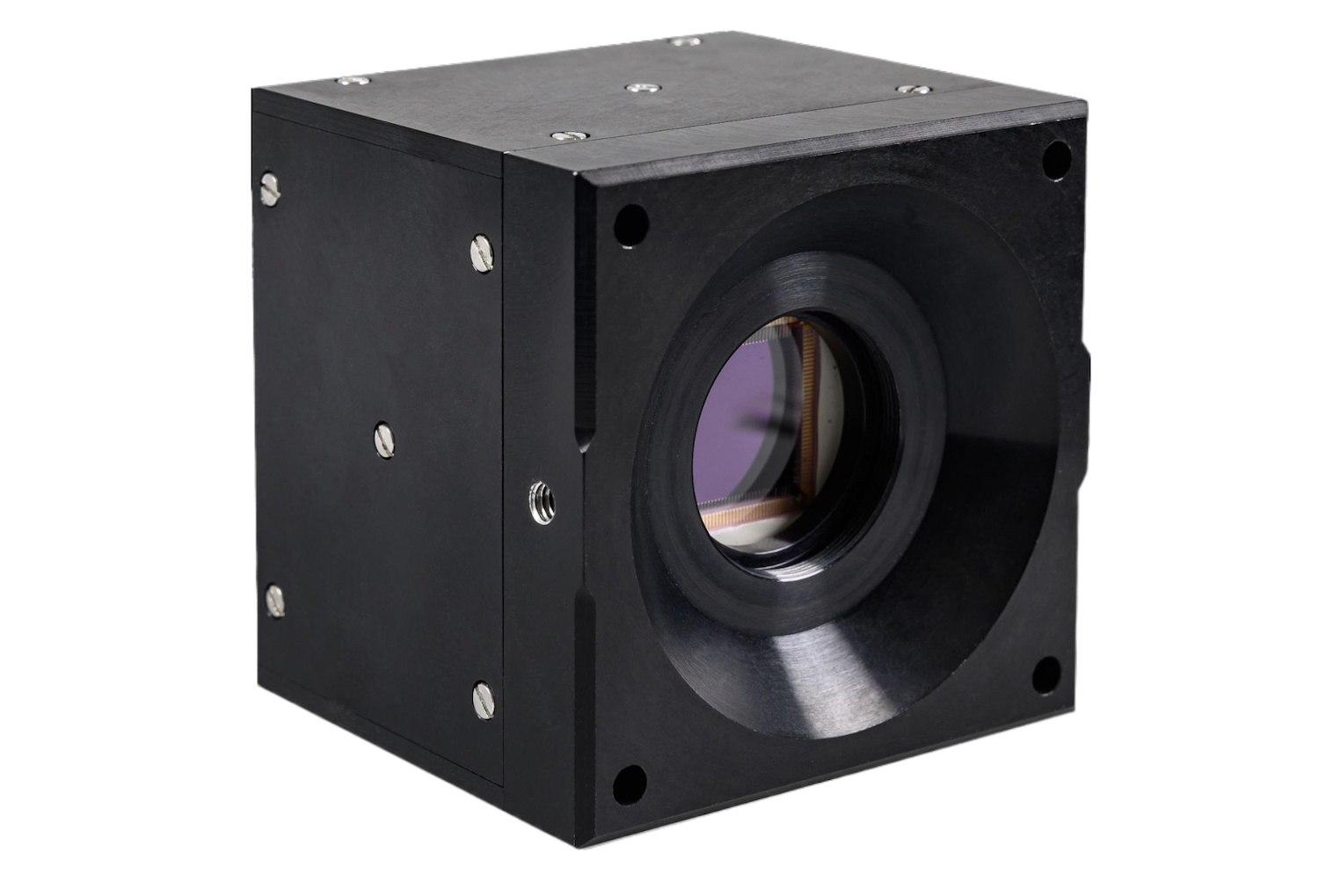
UTK-1 TV cameras operate in various ranges of the electromagnetic spectrum - from ultraviolet to near short-wave infrared. These devices can be used in microscopy, astrophotography, bioluminescence, chemiluminescence and defectoscopy.
The UTK-1 has a highly sensitive matrix with back-illumination technology and large pixels. With this scheme, light passes not through the electrodes, but through the substrate, so more light hits the sensor. Large pixels also collect more light. As a result, the matrix provides better sensitivity, high resolution and minimal noise.
The TV camera matrix is placed in a metal-ceramic case with an input window and a thermoelectric cooler. For efficient cooling, a sealed environment is created in the device, which is filled with xenon. This solution allows cooling the sensor with a temperature difference of up to 40°C from the heat sink temperature. This improves its performance in difficult conditions.
Earlierwww1.ru reported that the Russian IT giantlaunched sales of a smart IP camera for home video surveillance.
Read materials on the topic:
Roselectronics has developed radiation-resistant Vizor-871 cameras
Never miss our newsAdd this site to your preferred sources to see us more oftenAdd on Google

















