Translated with AI from the Russian original.
Scientists from Perm National Research Polytechnic University (PNRPU) have developed a new technology for cleaning oil from harmful impurities. The development allows achieving 99% purification and increasing the lifespan of catalysts by 40%, which will reduce the costs of oil refineries.
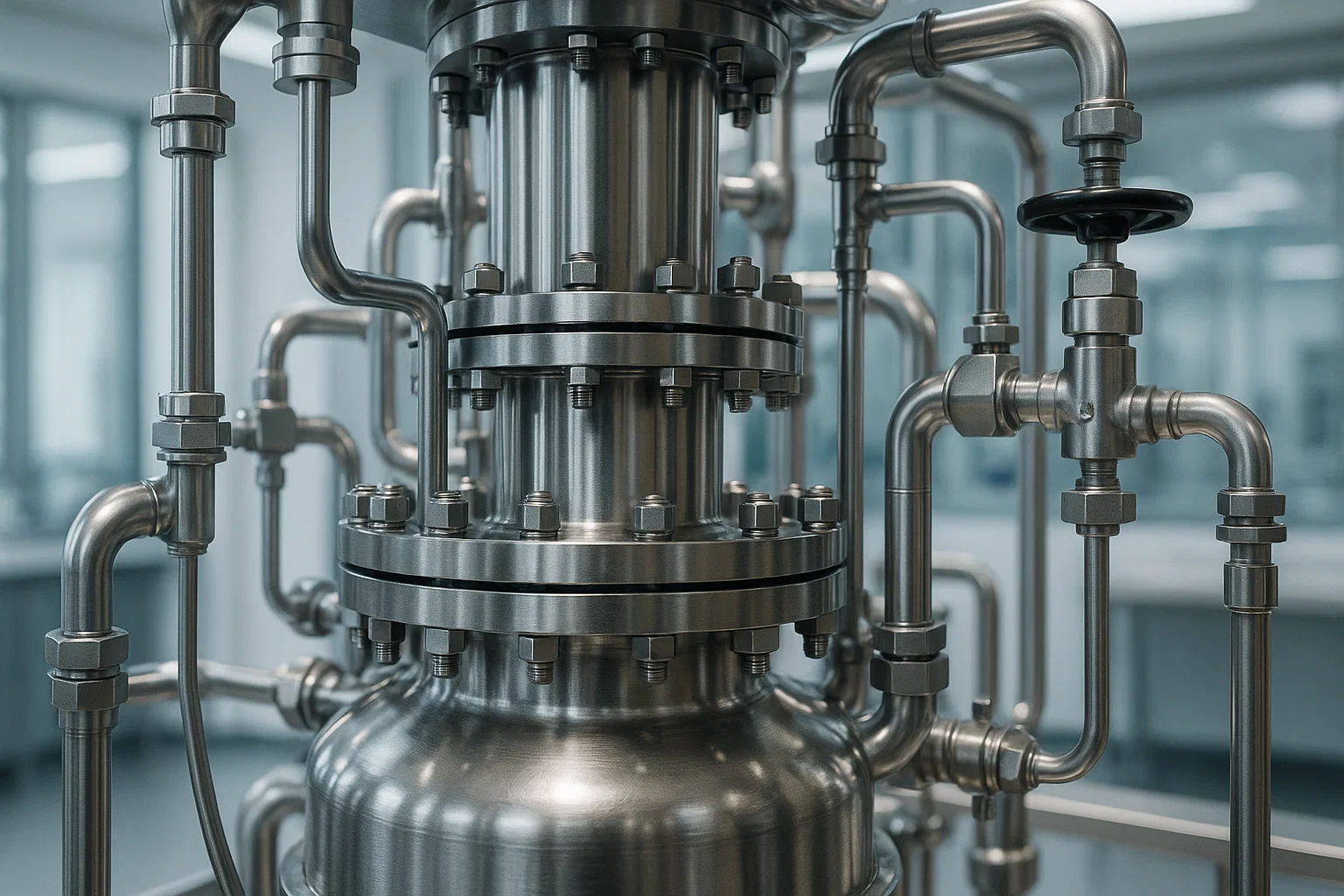
The technology is aimed at solving the problem of processing heavy oil, which contains a large amount of metals and complex compounds. These substances quickly disable standard catalysts used in the hydrodesulfurization process - a key stage in oil refining for fuel production.
The essence of the development lies in dividing the cleaning process into two stages. In the first stage, a special resistant catalyst removes the bulk of metals and resins, protecting the second catalyst. In the second stage, deep cleaning from sulfur and nitrogen occurs. This approach prevents rapid clogging of the system and allows better control of the temperature regime.
The research was carried out within the framework of the "Priority-2030" program. The results of the work arepublished in the scientific collection "Chemistry. Ecology. Urbanistics" for 2025. The development is part of the master's thesis of student Danil Kazantsev.
The introduction of such technologies contributes to the production of fuel with ultra-low sulfur content, which meets modern environmental standards and reduces harmful emissions into the atmosphere.
Read more materials on the topic:
"Lukoil" has launched the production of synthetic oils for Haval cars
Never miss our newsAdd this site to your preferred sources to see us more oftenAdd on Google

















