Translated with AI from the Russian original.
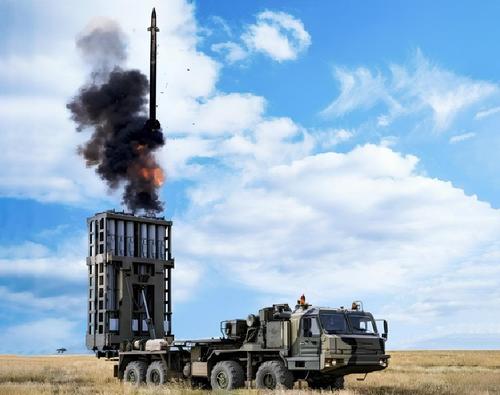
The Russian S-350 Vityaz anti-aircraft missile system (SAM) is capable of easily destroying Long Neptune cruise missiles, said military expert, air defense historian Yuri Knutov.
He clarified that the Long Neptune became a development of the subsonic anti-ship missile R-360 Neptune and is intended for ground targets.
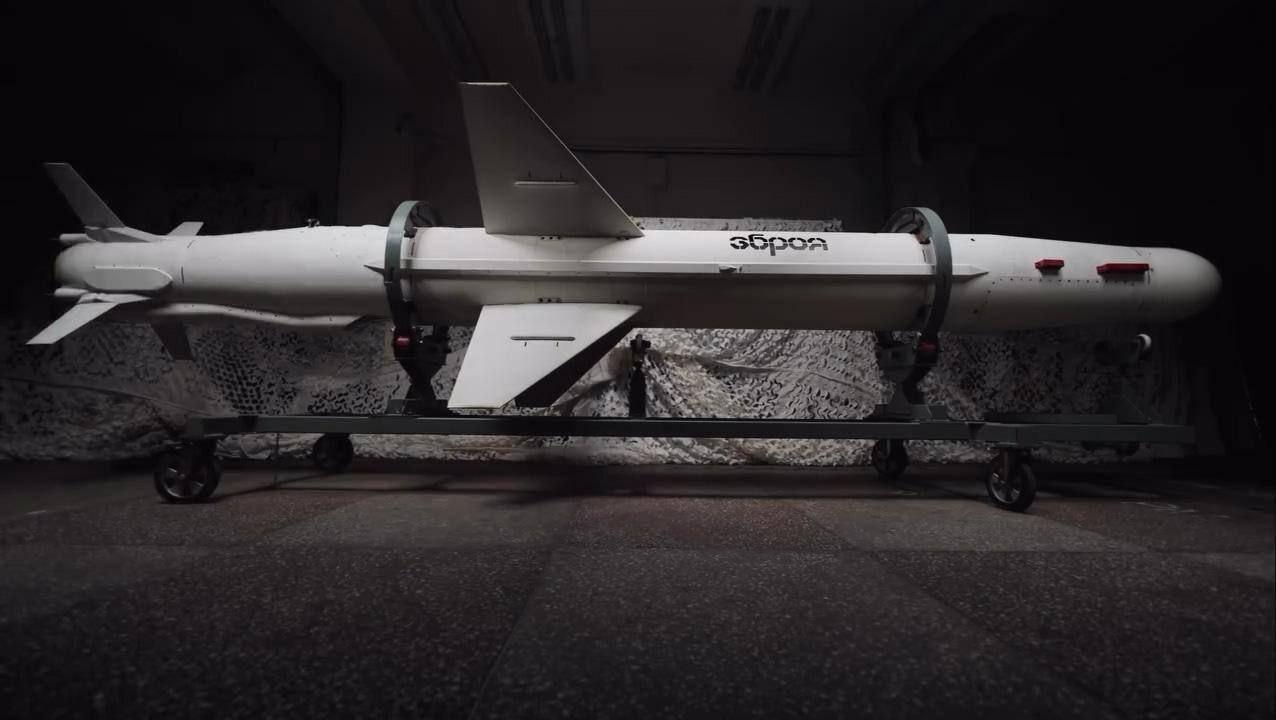
Knutov recalled that Russian air defense systems had repeatedly successfully intercepted Neptune, so its next modification is not a difficult target.
I think that the Long Neptune will also be a fairly easy target for air defense systems, and we will successfully cope with its defeat. The S-350 Vityaz complex, which has the maximum capabilities to destroy such targets, should work best.
According to data from open sources, the range of the Long Neptune is about 1000 km. The missile is one and a half meters longer than the base Neptune.
Characteristics of S-350:
- Number of simultaneously fired targets - aerodynamic (16), ballistic (12)
- Number of simultaneously guided missiles - 32
- Range of destruction of aerodynamic targets - up to 60 km
- Range of destruction of ballistic targets - up to 30 km
- Time to bring the SAM system into combat readiness - 5 min.
The S-350 Vityaz SAM system was developed by specialists of NPO Almaz to replace the S-300PS and Buk-M1-2 systems. The complex hits aircraft, helicopters, cruise missiles, drones and tactical ballistic missiles.
Earlier,www1.ru reported thatRussia is building the world's largest electronic intelligence complex near Kaliningrad.
Read more materials:
They will disappear from radars": Russia has invisible submarines in the Arctic
Russian military staged a tank ballet for Mongolian colleagues: video
New versions of the Su-35 received a radar from the Su-57, Drel glide bombs and high-maneuverability R-77M missiles
Never miss our newsAdd this site to your preferred sources to see us more oftenAdd on Google

















