A unique power plant based on hydrogen fuel cells for unmanned aerial vehicles has been created at the "Hydrogen Energy Center" in Sakhalin.
The key technical solution was the use of titanium plates instead of traditional graphite. The use of titanium significantly reduces the weight of the drone's structure. This affects the duration and stability of the flight.
Titanium is also highly resistant to corrosion and durable, which makes the technology competitive for aviation applications, as reported by the ANO "Sakhalin - Island of Opportunities."
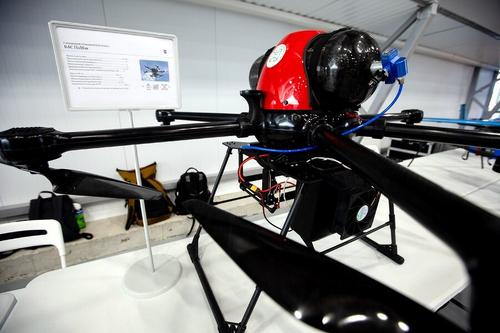
A hydrogen drone can stay in the air for up to 3.5 hours, compared to 40-50 minutes for similar battery-powered devices. Its flight range reaches 120 kilometers (compared to 20-30 km), and operation is possible in the temperature range from -25 to +40 °C. Refueling takes about five minutes, while battery charging takes from one to two hours.
New types of drones can be used for monitoring pipelines, power lines and the ecological condition of territories, including forest fires and the study of water bodies. They are also in demand in agriculture, scientific expeditions in the Arctic, the delivery of medicines to remote areas, as well as in the defense sector for reconnaissance and protection of infrastructure facilities.
By 2030, hydrogen drones may occupy up to 20% of the global market in the segment of long and extreme flights.
Earlier,www1.ru reported that the "Gonet" companypresented new equipment for unmanned aerial systems.
Read materials on the topic:
Starlink in Russian: MTS plans to deploy 5G base stations on low-orbit satellites
Russian businesses will be granted access to Earth remote sensing data
Never miss our newsAdd this site to your preferred sources to see us more oftenAdd on Google

















