The car remains the most popular way to travel among Russians in the summer of 2025 - this choice was made by 86% of respondents.
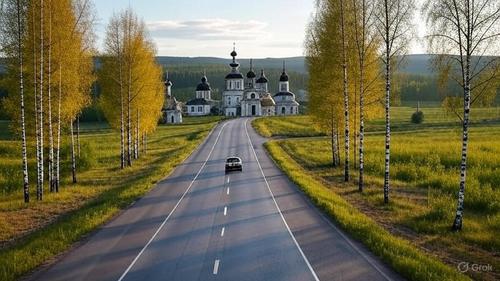
The study involved 2.5 thousand Russians over 18 years old. Of these, about half make car trips several times a year, 36% annually, and only 10% once every two or three years. Thus, personal transport not only retains, but also strengthens its position as the main way to travel during the holiday season.
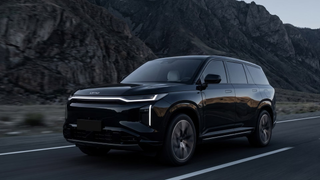
Crossovers and SUVs are the most popular for long trips - they are chosen by 44% of participants. They are followed by minivans and minibuses (18%), and sedans and hatchbacks close the top three (16%). Every tenth respondent prefers a motorhome, while electric cars remain exotic - only 1% of respondents chose them.
The Krasnodar Territory is the leader among the destinations - 40% of motorists plan to go there by car. A trip from Moscow will cost approximately 12.3 thousand rubles, taking into account the cost of fuel and toll roads. For comparison: a round-trip flight costs an average of 15 thousand rubles, and a train ticket in a compartment costs about 9 thousand.
Another popular route remains Crimea. A car trip there costs an average of 14.9 thousand rubles, while a train trip in a compartment costs about 16 thousand.
Russians' financial approaches to planning car trips vary greatly. Every third person is ready to spend from 20 to 50 thousand rubles on a trip, another third - more than 50 thousand. Every fifth person expects a budget of 10-20 thousand rubles, and only 8% try to stay within the amount of up to 5 thousand rubles.
The study was conducted by Rosgosstrakh IC and the Avtokod car selection service.
Read materials on the topic:
For inquisitive tourists: Russian Railways has created the best cultural and educational route
Russia has launched the development of popular science tourism
Never miss our newsAdd this site to your preferred sources to see us more oftenAdd on Google