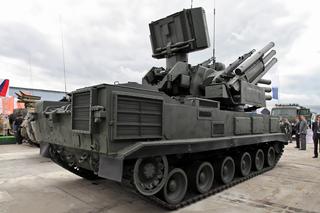
The Russian military has received new strike drones that visually resemble the Lancet, but are larger.
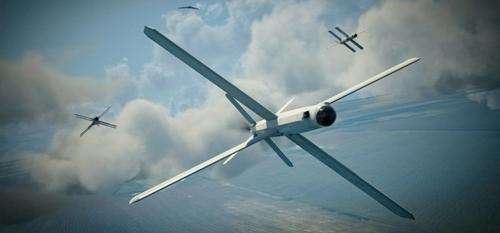
The drones operate at a low altitude, about 200 meters, making them more difficult to detect by mobile air defense groups. They are faster and more like a loitering munition than a Geran.
At the same time, the military unexpectedly used drones during the daytime. This is probably due to the new guidance method.
Most likely, the new drone is guided to the target not by GPS coordinates, but uses a built-in camera. The operator sees the image and controls the drone, with the help of a large reconnaissance aircraft such as the Orion, which hangs over the sea and relays the signal.
Earlier www1.ru reported that the world's largest Mi-26T helicopter was deconserved after 12 years of storage.
Read more materials:
Sharp-eyed Orlans: the whole world is interested in silent intelligence officers
The BMP-3, which raised questions, will be sent to "remote": control will become remote
The nacelle of the PD-14 engine for the MS-21 aircraft was equipped with an electric reverser
Never miss our newsAdd this site to your preferred sources to see us more oftenAdd on Google