The "Cosmos-482" spacecraft, launched back in 1972 as part of the Venus exploration program, has completed its nearly half-century stay in orbit. The object entered the Earth's atmosphere.
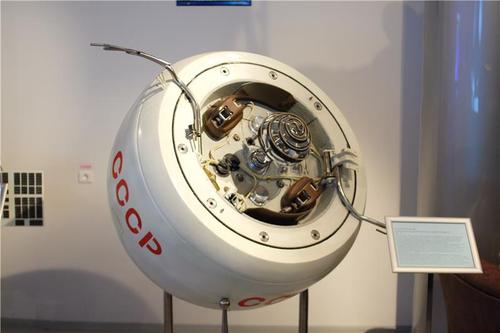
Today, it left its orbit and entered the dense layers of the atmosphere, after which it fell into the Indian Ocean. According to TsNIIMash, the spacecraft ceased to exist at 9:24 Moscow time, approximately 560 km west of Middle Andaman Island, near the coast of Indonesia, west of Jakarta.
Despite the fact that "Cosmos-482" was originally created for an interplanetary mission, a technical malfunction of the booster block prevented the spacecraft from leaving Earth orbit. Instead of flying to Venus, it remained orbiting the Earth in a high elliptical orbit, gradually decreasing over the decades. Its uncontrolled descent was tracked by the Russian system for warning of dangerous situations in near-Earth space.
Read materials on the topic:
Every story has an end: the failed mission to Venus will end with a fall to Earth
From the sky to Earth: the Soviet probe "Cosmos-482" returns home after 53 years of wandering
Never miss our newsAdd this site to your preferred sources to see us more oftenAdd on Google