Translated with AI from the Russian original.
A team of researchers, including scientists from Togliatti State University, has developed artificial intelligence to detect chronic obstructive pulmonary disease (COPD) at an early stage. The system analyzes data received from the patient, including cough sounds and computed tomography results. After processing the information, it provides an accurate diagnosis with an error probability of less than 0.03%.
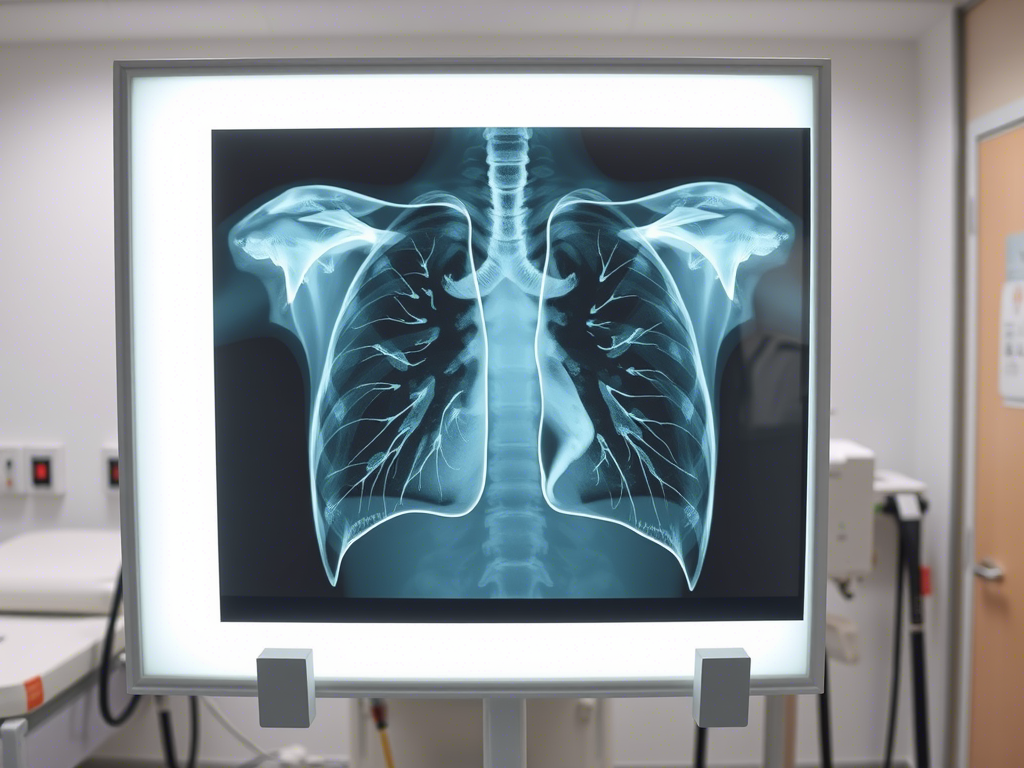
Chronic obstructive pulmonary disease is a common disease of the respiratory system. It is based on a chronic inflammatory process in the bronchi, which causes changes in the walls of the bronchial tree. Because of this, a large amount of sputum is released, which is poorly removed from the body, which leads to impaired air movement in the bronchi.
COPD is among the top three leading causes of death. In Russia, the disease ranks first among all diseases of the respiratory system that lead to death.
In the early stages of development, COPD may be asymptomatic and not always detected in time. Therefore, it is necessary to develop new methods for diagnosing this disease.
TSU has developed the FuzzyGuard program. It uses data from various sources to make diagnoses more accurately.
Using machine learning methods, FuzzyGuard analyzes the patient's cough sound, listens to how the lungs work, studies scans of computed tomography (CT) of the lungs, and then combines and analyzes all this information using special "smart" algorithms (neuro-fuzzy networks). Based on this data, FuzzyGuard concludes whether the patient has COPD, and how likely the disease is to develop in the future.
In the future, scientists plan to develop a system that can diagnose not only COPD, but also related diseases. It will also be able to predict heart attacks and cardiac arrest based on the analysis of heartbeat sounds. In addition, the system will be able to detect asthma and predict the patient's life expectancy based on his clinical characteristics.
Earlier, Almatek created aninnovative device for the treatment and rehabilitation of people with disabilities. It works on the basis of translingual neurostimulation.
Read materials on the topic:
With voice and visual prompts: Rostec has developed a new defibrillator - AND-25
Advanced approach: bone implant production has become cheaper in Russia
Scientists from SPbPU have created a digital model of the jaw to predict the performance of dental implants
Never miss our newsAdd this site to your preferred sources to see us more oftenAdd on Google

















