Russian Railways (RZD) plans to implement artificial intelligence (AI) to predict ticket sales for long-distance trains, optimize fares, and manage train compositions. This was announced by Elena Martynova, Deputy Director of the Scientific Center "Express" of JSC "VNIIZhT" (a subsidiary of RZD).
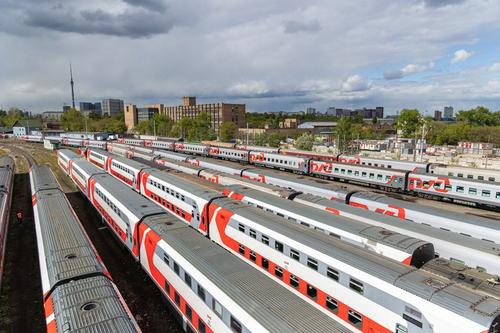
The fare is a rather complex thing that depends on many factors, from the direction, the depth of sales, the distance, the comfort of the trip, and even the demand for our trains. Here, it is possible and necessary to use artificial intelligence technology, which will help not only predict sales on trains, but also recommend to our specialists to change some tariff values or issue recommendations on changing the composition of trains.
Hundreds of trains depart daily, and a fare calculation is required for each of them. This calculation depends on many factors (direction, distance, demand, and level of comfort). AI will help not only analyze current sales, but also suggest adjustments to fares and train compositions.
Elena Martynova noted that carrier employees process thousands of indicators daily to create tariffs. The implementation of AI will significantly simplify this process and increase its efficiency.
Earlier, www1.ru reported that RZD will accelerate Wi-Fi in trains to 1 Gbit/s.
Read more on the topic:
Russian satellites will provide internet on RZD long-distance trains in 2026
More than 5.7 million people have used Wi-Fi at railway stations since the beginning of this year
Never miss our newsAdd this site to your preferred sources to see us more oftenAdd on Google