Anapa will soon begin testing new special mats designed to clean reservoirs from fuel oil.
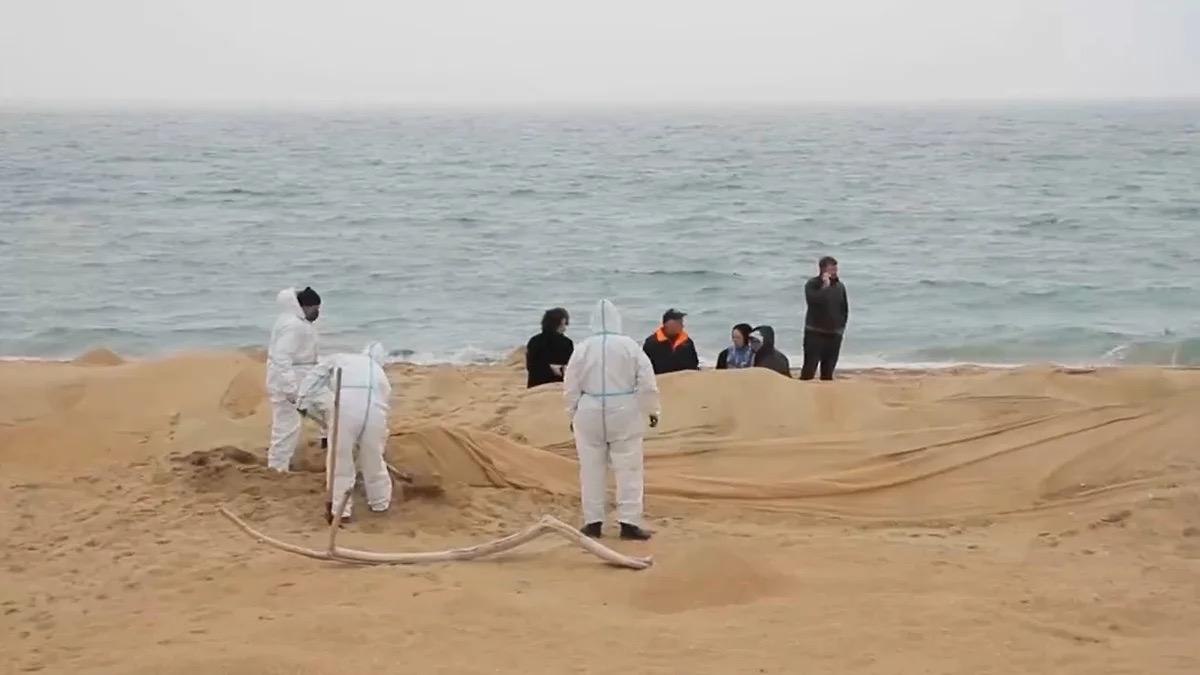
The development was one of eight presented at a recent meeting to discuss various technologies for eliminating oil pollution.
Particular attention was drawn to the technology of using mats capable of collecting fuel oil from bottom sediments - one of the most difficult tasks in the field of environmental remediation of oil spills. Experimental application of these mats in practice will start in the near future.
To date, there is no truly universal and effective way to clean the bottom of fuel oil. We expect that the tests in Anapa will be a step towards solving this problem
In parallel, specialists from Moscow State University are working on the problem of oil pollution, developing a method for collecting fuel oil lenses located in the water column, and not on the surface - another difficult challenge for environmentalists and rescue services.
Never miss our newsAdd this site to your preferred sources to see us more oftenAdd on Google

















