Translated with AI from the Russian original.
Specialists from Tomsk Polytechnic University have developed an innovative technology to protect metal chemical reactors from destruction.
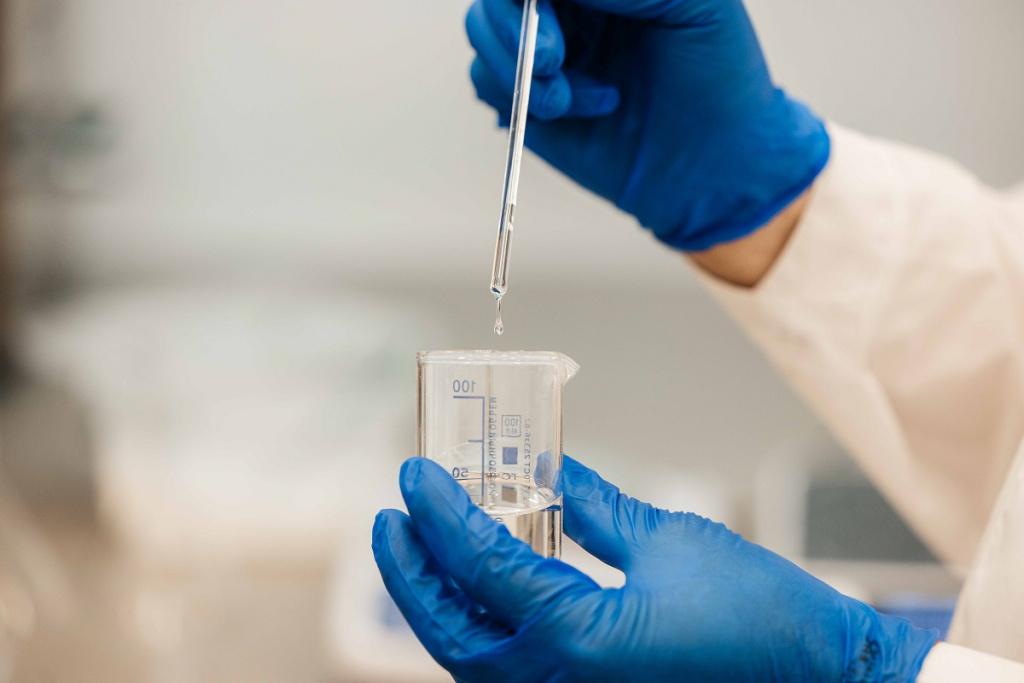
The solution is based on fluoroplastic coatings, fluorine-containing polymers, which are applied by spraying. The first samples have already been transferred to an industrial partner from Novosibirsk.
Fluoroplastic coatings demonstrate resistance to mineral and organic acids, alkalis, solvents and oils at temperatures up to 120°C. This makes them an effective replacement for traditional enamel layers, which wear out faster in aggressive environments. For example, the material can withstand contact with hydrofluoric acid (HF), which is critical for petrochemistry and pharmaceuticals.
The key know-how is the mobility of the technology. Coating application units can be deployed directly at the sites of enterprises, processing reactors with a volume of up to 6 cubic meters. This reduces the cost of transporting and installing equipment.
The development was the result of interdisciplinary collaboration. In the future, the technology will be adapted for other industries, including the food and perfume industries. Scientists are also working on expanding the temperature range of application of coatings.
Corrosion of reactors threatens depressurization, emissions of toxic substances and contamination of products with metal particles. The new coating not only extends the service life of equipment, but also increases the safety of production. This is especially important for "clean" processes, such as the synthesis of pharmaceutical substances - iron impurities can make a batch defective.
Never miss our newsAdd this site to your preferred sources to see us more oftenAdd on Google

















