Translated with AI from the Russian original.
Kasatka relay drones have been developed in Russia. They are distinguished by their ability to mimic, for example, Geranium strike drones.
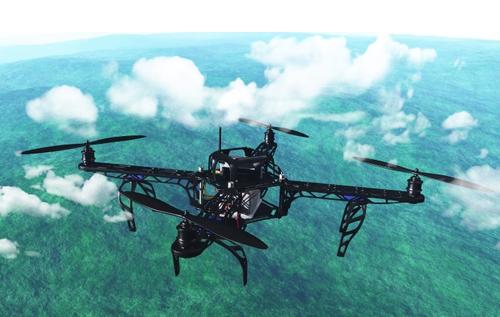
Nikolai Zhernov, head of the Novosibirsk development company AeroFrega, noted that the drone was named Kasatka for its streamlined shape. Flying at an altitude of up to two kilometers, the drone is capable of transmitting a direct radio signal up to 50 km for controlling drone quadcopters.
Initially, when developing a drone of this type, we understood that it would be multifunctional. For military purposes, it can be used as a false target to confuse the enemy and discharge an air defense missile at a false target, which costs many times less than a more expensive drone, such as the Orion. Or the Geranium, because if it is made with special reflectors, then in air defense radars it will be reflected as a Geranium in size.
The main purpose of the Kasatka is to relay the signal, but it can also be used as a kamikaze drone. In this case, the drone can carry up to 3 kg of explosives to a range of up to 70 km, staying in the air from 40 minutes to an hour.
Earlierwww1.ru reported that the all-seeing kamikaze drone "Skvorets" was received by the Russian military.
Read more materials:
Russia entered the top three in the ranking of world military shipbuilding
Never miss our newsAdd this site to your preferred sources to see us more oftenAdd on Google

















