A method of microencapsulation for delivering vitamins, probiotics and other nutrients directly to the intestines has been developed at the North Caucasus Federal University (NCFU). This was reported in the press service of the university.
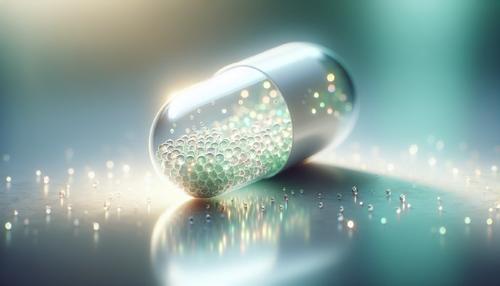
Modern eating habits often lead to an insufficient intake of essential nutrients. To solve this problem, various methods of food enrichment are being developed. One of them is microencapsulation of useful components.
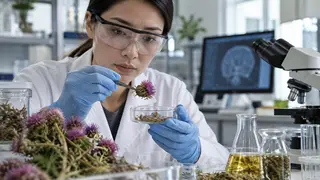
Researchers at NCFU have developed methods for extracting and microencapsulating biologically active substances from plant raw materials, microalgae, lactic acid bacteria and lactose-fermenting yeasts. The created pilot encapsulator creates microcapsules with a size of 100-300 micrometers for ease of consumption.
Encapsulated forms of food additives have high consumer demand and interest from Russian manufacturers. In fact, a capsule is a unique shell, inside which you can place either a biologically active extract, or lactic acid organisms, or lactose-fermenting yeast to deliver nutrients to the body.
Chitosan, a natural polysaccharide from crustacean shells (shrimp and crabs), was used as a shell for the capsules. It has antibacterial properties, protects products from spoilage and is able to form strong films for creating microcapsules. Inside them, milk yeasts retain their activity and are released when a certain acidity and concentration of substances is reached.
According to experts, the delivery of medicinal and biologically active substances in capsules has a number of advantages over other methods. This approach allows you to accurately dose and protect the contents of the capsules from the aggressive environment of the stomach, followed by release in the intestine.
Earlier www1.ru reported that in Russia they will start printing 3D products with vegetable inks.
Read materials on the topic:
In Russia, scientists have improved the sorbent for cleaning water from heavy metals
Never miss our newsAdd this site to your preferred sources to see us more oftenAdd on Google