Three-dimensional analogs of bone tissue have been developed on board the International Space Station (ISS), the Russian Science Foundation (RSF) press service reported.
Scientists used a magnetic bioassembler and found that microgravity positively affects the properties of the resulting material compared to analogs created on Earth.
The results of this work clearly demonstrated the scientific novelty and relevance of fundamental research conducted in space. The resulting "space" materials can be used to replace and regenerate bone tissue defects both on Earth and in long-term space missions.
The device used allows tissue to be assembled from individual molecules under the influence of magnetic fields. To create an analog of bone tissue, calcium phosphate powder was placed in the bioassembler. After two days, a three-dimensional structure about five millimeters thick was formed in the device.
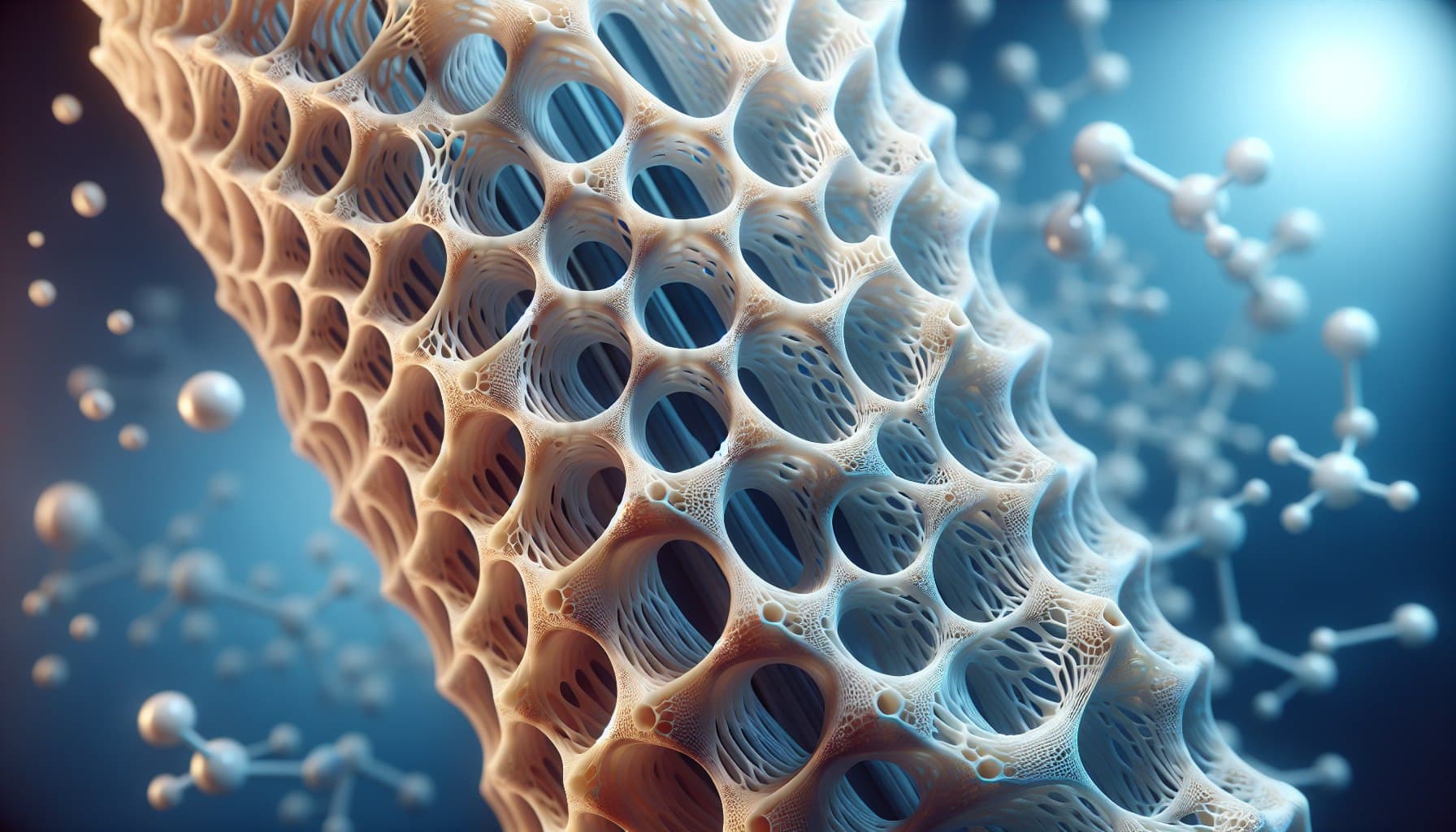
After the samples were returned to Earth, scientists conducted a study. It turned out that "space" bone tissue has a more ordered structure. This discovery can significantly improve the "adhesion" of living cells and accelerate the restoration of natural bone tissue.
Earlier, www1.ru reported that in Tomsk a sample of material for bone tissue regeneration was developed.
Read more on the topic:
Skin, cornea, cartilage - growing human organs and tissues has begun in Bashkiria