Translated with AI from the Russian original.
At St. Petersburg State University of Electronics, Technology and Management (LETI), a neural network has been created that can generate sounds resembling the "songs" of sperm whales. This project is part of the "Priority-2030" program within the national project "Science and Universities."
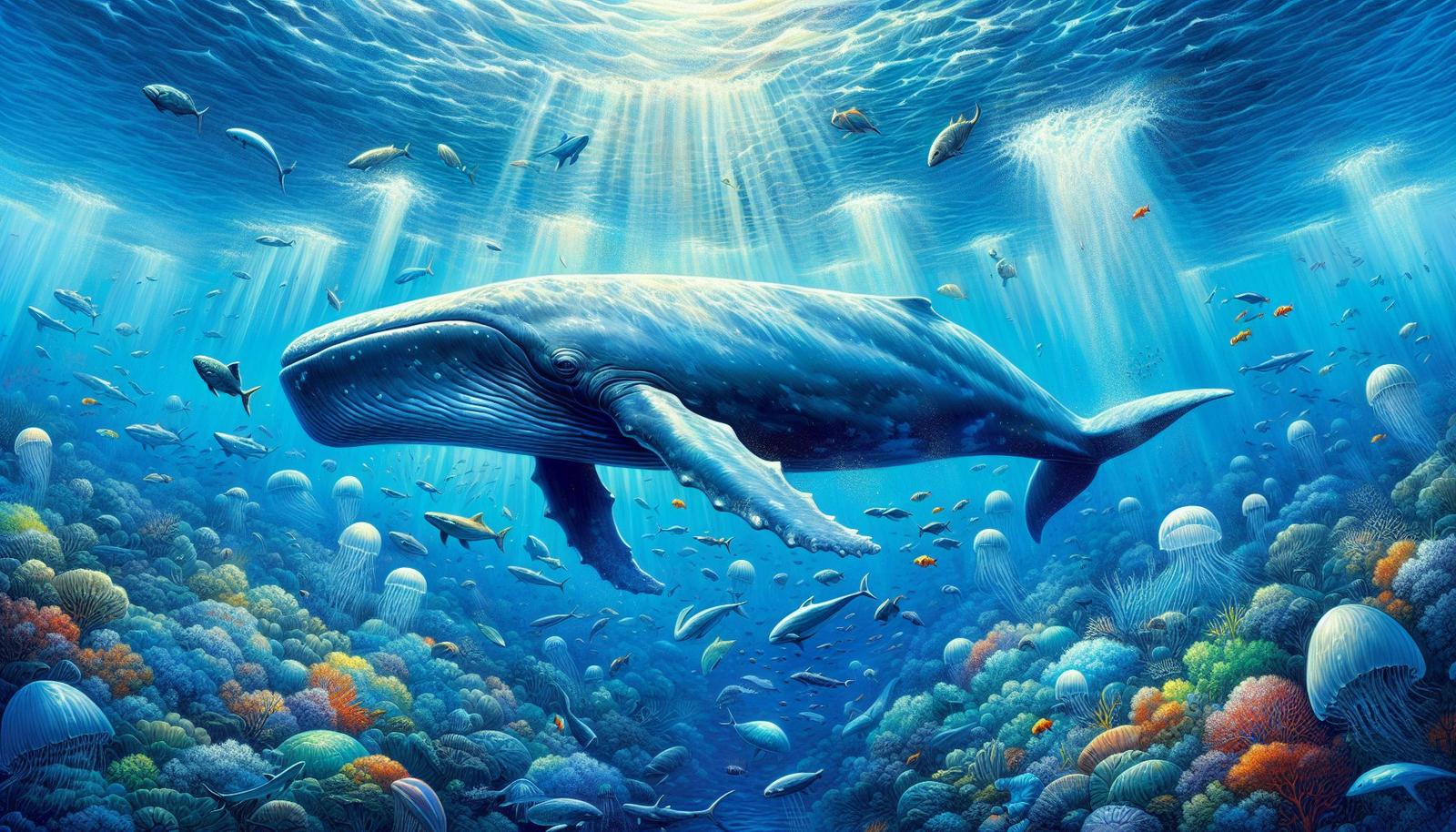
The project has the potential not only to study the behavior of marine mammals, but also to create new underwater communication technologies. The results obtained can have a huge impact on the development of navigation and sonar systems that use acoustic signals.
Studying the sounds made by sperm whales allows marine biologists to systematize them according to the characteristics of communication.
Many researchers suggest that sperm whales use various sounds, such as clicks, crackles, and moans, for communication, echolocation, and spatial orientation.
We have developed a method for generating synthetic sounds, namely sperm whale clicks, using a neural network. To do this, we converted the "songs" of these mammals into pictures, presenting them as a spectrogram, and then, using a special machine learning algorithm for generating images, generated new sets of sounds.
Artificial intelligence is capable of processing high-frequency signals and reproducing characteristic clicks of a certain type of sperm whale with an error of no more than 10-12%. In the future, this technology can be used to create sounds of any animal, including birds. To do this, you need to configure the algorithm to process voice data of the corresponding species.
Earlier,www1.ru reported that artificial intelligence could becomean indispensable assistant in space. Sitronics Space plans to use it on some Russian satellites. The neural network will sort satellite images. For example, photos with cloudiness or defects will be automatically deleted.
Read materials on the topic:
In Russia, they want to train AI to create cancer vaccines
A neural network for calculating holograms was created in Moscow - 3D-CGH-Net
MTUCI scientists will teach the neural network to read damaged barcodes
Never miss our newsAdd this site to your preferred sources to see us more oftenAdd on Google

















