An insider from the AvtoVAZ plant shared his comments about the top Lada Iskra cross-universal. He published photos showing the car's defects, which the quality control department marked with paper triangles.
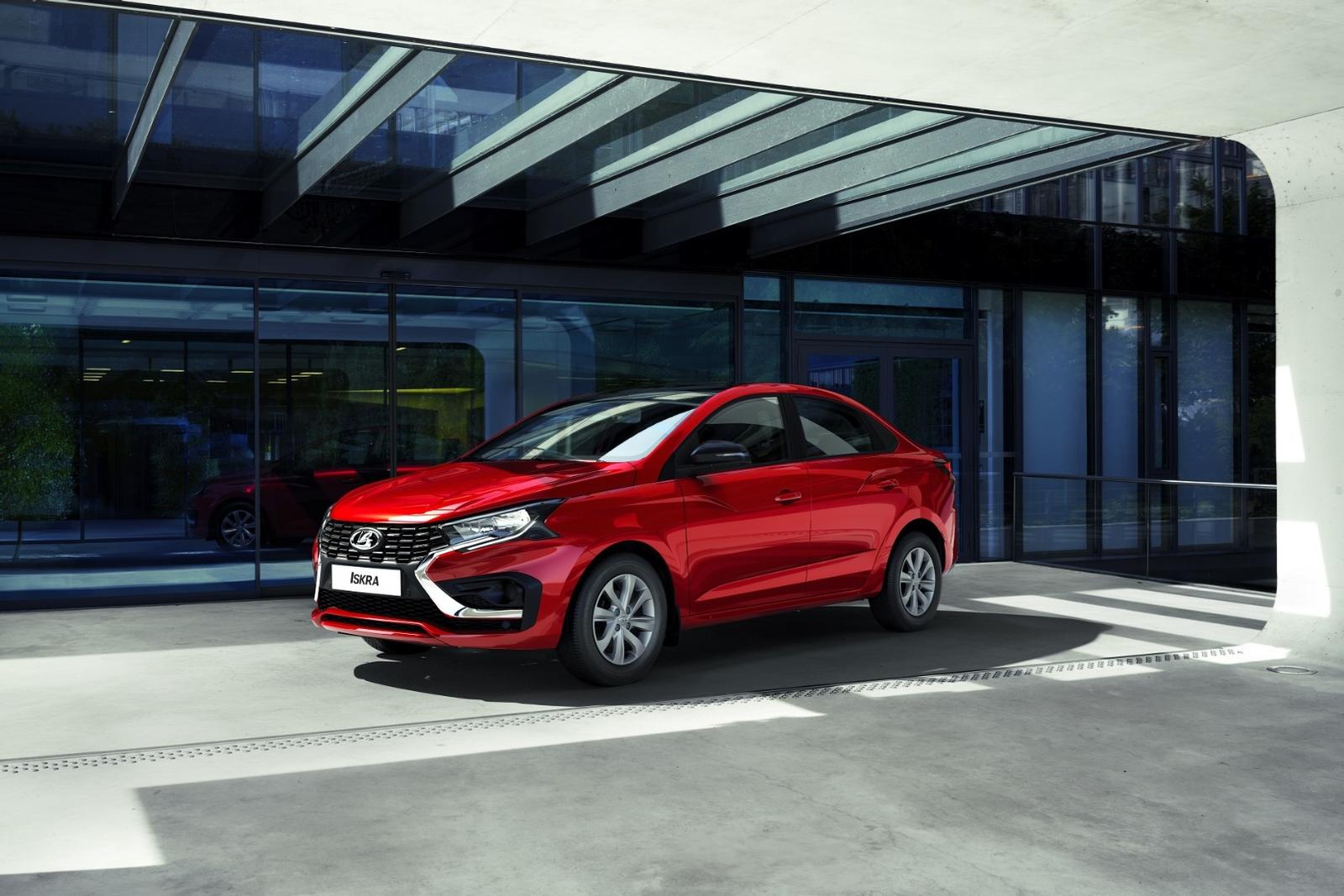
The assembly is still very, very far from ideal, but by April they should finally bring the quality to an acceptable level.

According to him, the plant assembled a sedan in the basic configuration. The car has almost nothing: no heating, no air conditioning. According to the insider, they usually assemble three cars, but on November 25, they assembled only one. All of them are "project" cars.
And a lot more can change in the equipment. Interestingly, they install hoods both with and without holes for the washer nozzles, and the holes are simply taped over. Such cars will not go on sale anyway.
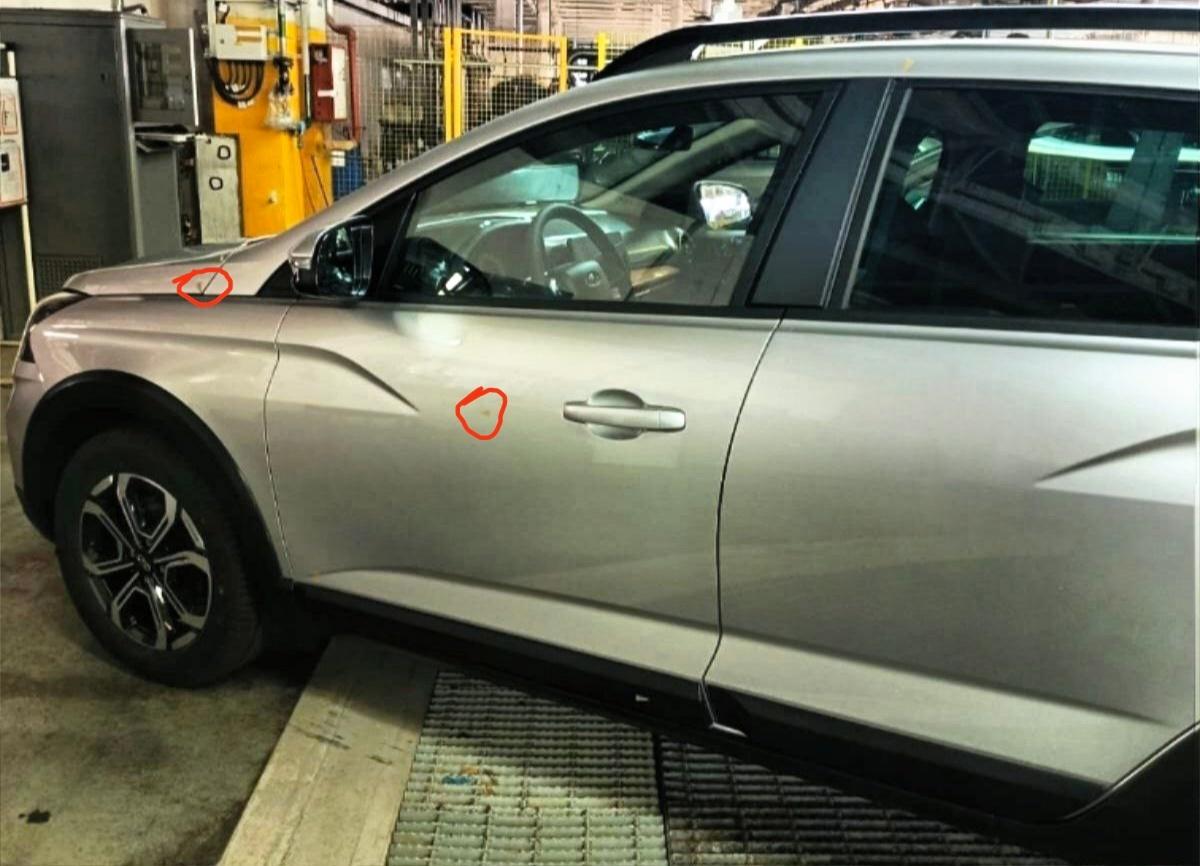
As the author explained, the photo shows the process of checking the tightness of cars in a special chamber used for this purpose. Lada Iskra was called in to perform this procedure.
The Lada Iskra will use 1.6-liter engines developed by AvtoVAZ as a power unit. Their power will be 90 and 106 horsepower. Mass production of cars is scheduled for the spring of 2025. It is assumed that this cross-universal will be the most expensive car in the lineup.
Read more on the topic:
Shelved for the long term: AvtoVAZ has postponed the release of Lada Iskra until the spring of 2025
AvtoVAZ has started conveyor assembly of Lada Iskra in a new body
The start date of sales of Lada Iskra is in question due to changes in the production schedule
Never miss our newsAdd this site to your preferred sources to see us more oftenAdd on Google

















