The first phase of clinical trials for a Russian anti-cancer drug based on a genetically modified oncolytic virus VV-GMCSF-Lact has been successfully completed, confirming its safety and efficacy. The drug has shown the ability to suppress breast tumor growth, which is especially important given that the trials involved patients with terminal stage disease. Approximately 55% of them experienced tumor reduction and disease stabilization.

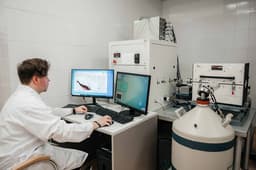
The drug was developed by the Institute of Chemical Biology and Fundamental Medicine SB RAS in partnership with the Vector Center and Onkostar LLC (a Skolkovo resident). The first phase of the study assessed its safety, tolerability, and pharmacokinetics. Patients were administered the drug in several regimens, starting with a single administration and ending with multiple administrations in the second phase of the trials. The drug showed no toxicity and caused a positive therapeutic effect.
The drug is based on a recombinant strain of the vaccinia virus, from which the genes responsible for virulence were removed, and genes that enhance oncolytic activity were inserted. An important innovation was the introduction of a gene encoding a protein that destroys cancer cells, which is a global breakthrough in the therapy of oncological diseases. The principle of action of such viruses is that they destroy cancer cells and activate the body's immune system to fight the tumor.
Read more on this topic:
Russia will train AI to create cancer vaccines
For cancer diagnostics: Rosatom is testing generators for the synthesis of radiopharmaceuticals